


On Toyota's factory floor, the cheapest person in the building could halt millions of dollars of machinery.
With a piece of string they called it the andon cord. See a problem? Pull it. Lights flash, music chimes, and the whole line shudders to a stop.
At most companies, that's a firing offense. At Toyota, it was the entire job.
A rookie spotting a hairline scratch on a door panel had more authority in that moment than the plant manager. The rule was religious: never ship a defect downstream. Don't "push through and fix it later." Stop the line, fix the cause, then move on.
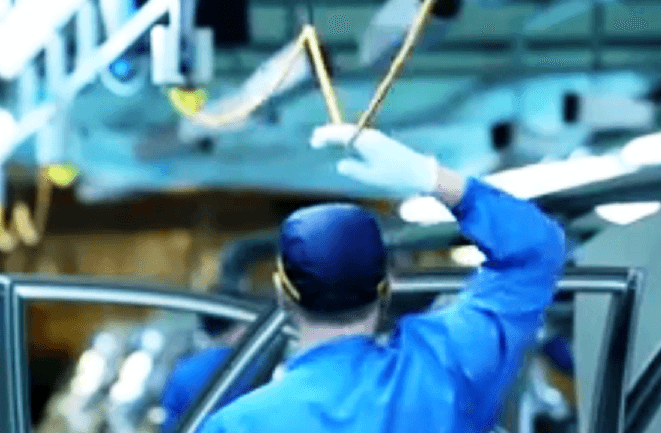
It looked slow. Wasteful, even.
But the result is that Toyota's "inefficient" factories quietly became the most productive on Earth.
Forget the robots. The edge was cultural:
We'd rather lose five minutes now than five years to bad habits.
Most businesses worship motion — ship faster, never miss a beat. Toyota worshipped the intelligent pause. Every run is an iteration.
Live commerce runs on the opposite religion.
Whatnot, TikTok, YouTube Live — billions in GMV, all preaching the same sermon: never stop the stream.
One iPhone, bad lighting, inventory in a spreadsheet, shipping labels printed at 2 a.m.

Sellers don't fix production problems. They "push through" and hope the audience doesn't notice. But that's why handful of operators mint seven figures from the same apps everyone else uses while the rest drown in duct tape. Nobody thought to stop and think about the process. And your job (and opportunity) is to point at their results and give them the solution.
Today's Featured Opportunity is the andon cord — and the control room — those sellers never had. Picture a Studio-in-a-Box for sports-card and Pokémon breakers. You're packaging a 6-week launch lab, production stack, and showrunner dashboard — the full kit for turning bedroom chaos into a $10K+/month channel.
Read the full playbook:
Whatnot's $11.5B valuation proves live commerce works—but seller success varies wildly. The missing layer is production infrastructure, not demand.
From the Vault:

Premium notebooks are growing 4–5% annually while Amazon KDP cracks down on AI spam—opening a compliance moat for curated physical products.

Microschools are exploding past 750,000 students with ESA funding, but churches and operators lack the legal infrastructure to match safely.


