


TikTok Shop is now a $33 billion marketplace where videos drive 58% of GMV. Unknown brands routinely beat household names—not because their products are better, but because their creative is. The 12-second clips that convert look more like micro-movies than ads.
The creative has become the bottleneck. Sellers can source products in days and spin up Shopify stores by lunch. Producing 30-100 testable creative variations per SKU per month—with enough hook diversity to let TikTok's algorithm find winners—destroys most operations.
Research from TikTok and VidMob confirms what sellers already know: the first 3 seconds matter most. Ads that effectively hook viewers in the opening seconds double engagement and increase purchase intent by 43%. Showing the product on screen early in the ad body significantly lifts brand affinity and recall. TikTok's creative best practices explicitly recommend introducing your content proposition within 3 seconds and deploying strong hooks within the first 6 seconds.

Most sellers hit a wall here. UGC marketplaces sell individual clips ($150-$300 per video). Agencies sell strategy on expensive retainers. The gap sits in the production system that turns a product into repeatable scenes, scripts, hooks, and proof beats—fast.
The real gap: velocity over polish
TikTok Shop's top sellers discovered something counterintuitive: polished creative bombs. The U.S. market generated $9 billion GMV in 2024 across 398,000 stores and 11 million influencers who created 17 million videos. The content that converts looks like your friend filmed it in their bedroom.
Brand guidelines and visual consistency—decades of marketing training—get thrown out. The brands winning on TikTok Shop maintain identity while looking deliberately un-branded.
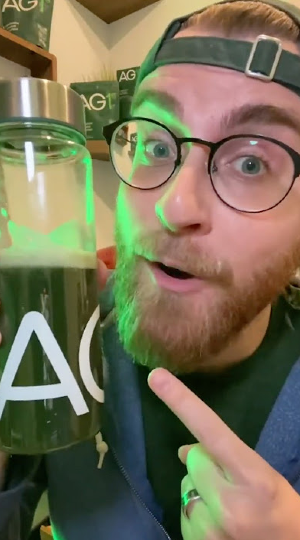
Sellers need better direction, not better cinematography. A system that can generate variety without losing that native feel. A tiny writer's room plus a ruthless test loop. A library of scenes proven to convert. The concept is simple: a factory for micro-stories.
Why "just hire more creators" doesn't scale
The UGC marketplace exists. Pricing has compressed: individual videos run $150-$300, with bundle discounts dropping to ~$170 per video for 5+ pieces. Usage rights add 30-50% on top. Whitelisting/Spark Ads? Another 30% per month.
Hiring creators to "make some videos" misses the strategic layer entirely. You're buying commodity output without the SKU intelligence—what to film, not just who films it. Three structural problems emerge:
Problem 1: No creative taxonomy. Generic briefs produce generic videos. "Make something that shows the product working" generates forgettable clips that test poorly. The brands doing $1M+ annual GMV (1,033 U.S. stores hit this in 2024) know exactly which archetypes work for their categories: transformation products need before/after beats, skepticism products need trust arcs, routine products need habit stacking sequences.
Problem 2: No iteration infrastructure. A seller gets 20 clips back from creators. Three test well. Now what? Most operations can't systematically swap hooks, vary proof moments, or remix B-roll fast enough to capitalize on signal. The clip that works at 0.4% CTR could work at 1.2% CTR with three hook variations—but only if you can execute those variations in 24-48 hours.
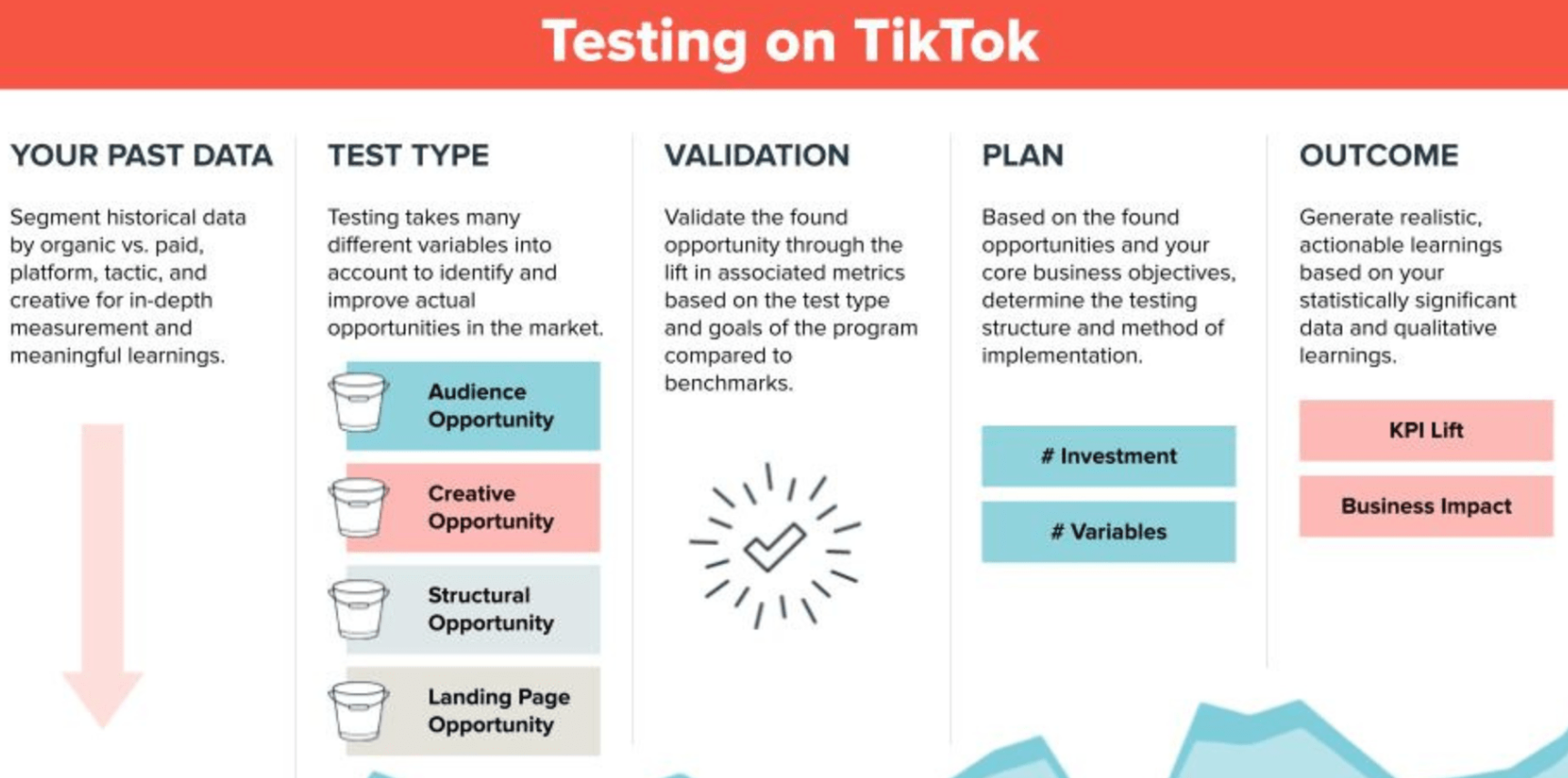
Problem 3: No compliance layer. TikTok Shop bans entire product categories and restricts misleading claims. Sellers who ship creative that violates policy waste budget and risk account flags. For beauty, wellness, and health-adjacent products—the categories driving TikTok Shop's growth—you're also navigating FDA and CPSC regulations on claims, ingredient disclosures, and safety standards. The winning approach: creative that converts and survives both platform policy review and U.S. regulatory scrutiny.
These problems explain why traditional UGC marketplaces capture only part of the value. The real opportunity sits in the intelligence layer above commodity content creation.
The strategic wedge: protocols over videos
The pivot that transforms this from "another agency" into infrastructure: You're selling a protocol. A repeatable system that outputs hooks, shot lists, scene templates, proof formats, creator briefs, and iteration plans—then optionally supplies the creators to execute.
Build this correctly and you become the default "creative spec" layer sitting above the messy UGC commodity market. Your moat comes from three compounding assets:
Asset 1: The SKU-level creative genome
As you run creative sprints, you build a database that maps archetypes to outcomes:
Unlock the Vault.
Join founders who spot opportunities ahead of the crowd. Actionable insights. Zero fluff.
“Intelligent, bold, minus the pretense.”
“Like discovering the cheat codes of the startup world.”
“SH is off-Broadway for founders — weird, sharp, and ahead of the curve.”


