


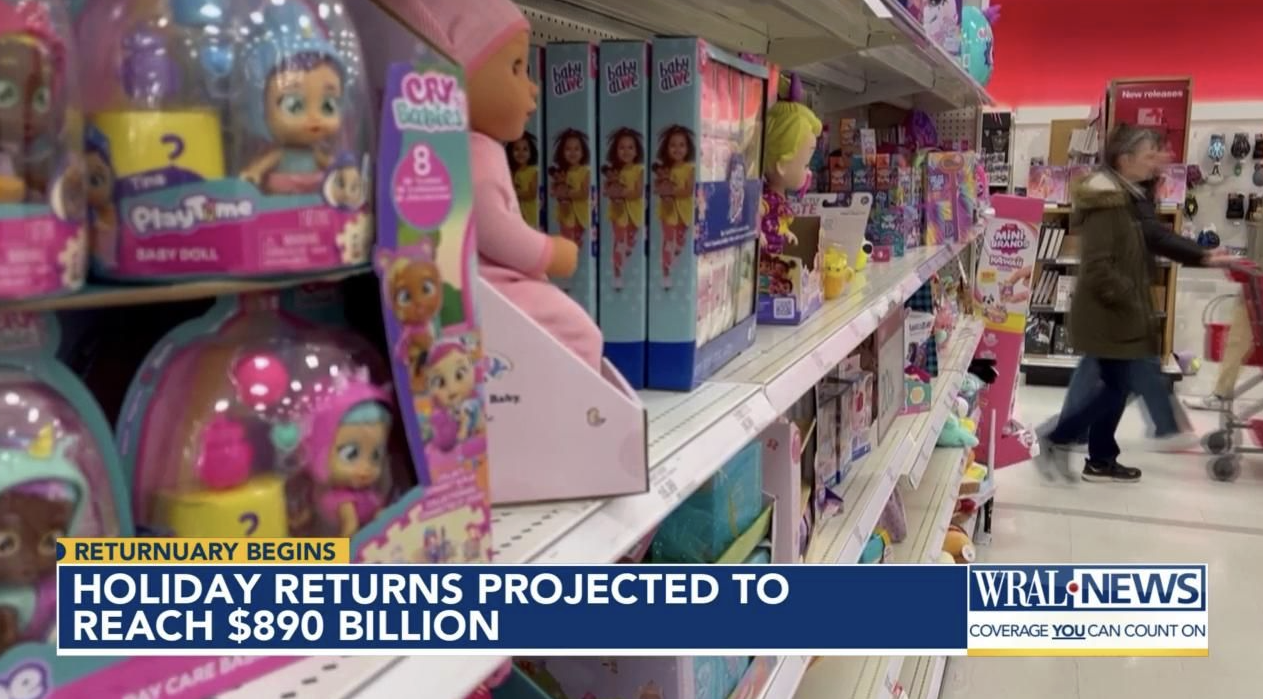
American retailers absorbed $890 billion in returned merchandise in 2024, more than double the figure from 2019. For apparel, online return rates regularly hit 25–30%, and processing a single return costs between 20% and 65% of the item's original price. Most B-grade and non-restockable items get liquidated at pennies on the dollar or landfilled.
Meanwhile, the global recommerce market hit $188 billion in 2024, on track toward $310 billion by 2029. U.S. recommerce alone reached an estimated $64 billion in 2025. And 93% of Americans bought something secondhand this year.
These two forces are converging. The opportunity: build the operating system that converts returns, imperfect inventory, and customer closets into a branded resale channel for mid-market brands — with CFO-grade unit economics and audit-ready circularity reporting.
A single $50M apparel brand running returns through a branded resale channel generates roughly $7,000/month in platform revenue — $84K ARR from one customer.
Land 30 mid-market brands and you're at $2.5M ARR, with a compliance upsell that's almost pure margin.
The wedge is narrow, the deployment is fast, and the switching costs compound every month you're embedded in a brand's operations.
Why the Mid-Market Is Wide Open
The enterprise tier is locked up. Trove acquired Recurate in August 2024 and reverse.supply in April 2025, consolidating roughly 75% of branded resale traffic in the U.S. Its clients — Patagonia, Lululemon, Canada Goose, Carhartt, REI — get custom integrations, service-heavy deployments, and enterprise relationship structures. About 80% of customers buying secondhand through Trove partners are new to the brand.
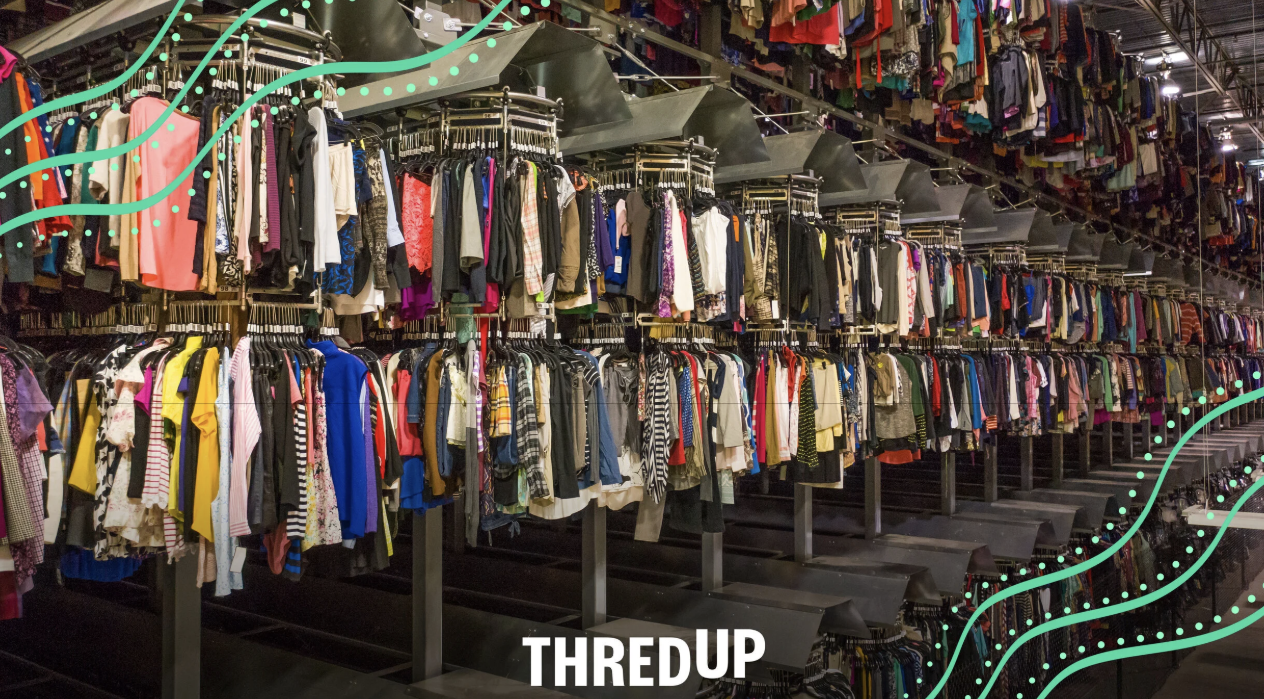
ThredUp eliminated all upfront and monthly fees for its Resale-as-a-Service platform in May 2025. Brands using its RaaS (American Eagle, Fabletics, J.Crew, Gap) keep 100% of revenue from their own secondhand items. ThredUp hit record Q1 2025 revenue of $71.3 million, up 10% YoY, with a 95% jump in new buyer acquisition. The trade-off: brands must integrate with ThredUp's Clean Out program and marketplace ecosystem, ceding first-party data and domain control.
On Shopify, apps like PostCo Resale let merchants launch a branded resale tab with combined checkout and automated payouts. But these are front-end features, not returns infrastructure. They're shallow on lifecycle metrics, condition grading workflows, and compliance-grade data.
The $20M–$150M DTC or omnichannel brand that wants owned, self-hosted resale infrastructure — without enterprise contracts or marketplace dependency — has nowhere to go.
Returns-to-resale is the unsexy wedge nobody owns. Most resale tools focus on the storefront. The real margin pain is upstream: routing B-grade returns and imperfect goods into a clean resale channel instead of liquidation. Treet's 2025 recap showed Pact clearing 80% sell-through on B-grade return inventory through branded resale, moving 7,500+ returned units. That pitch lands with a CFO immediately.
Compliance is becoming operational. Circularity reporting is no longer a marketing exercise. It's regulatory infrastructure, and mid-market brands have no systems for it.
The Regulatory Tailwinds
Three forces are turning circularity into a compliance requirement.
The EU Digital Product Passport (DPP). Under the Ecodesign for Sustainable Products Regulation, every textile product sold in the EU will need a digital passport with structured, machine-readable data on materials, manufacturing, repairability, and recyclability — linked to a QR code or NFC tag. Textile-specific delegated acts are expected in late 2026 or early 2027, with a simplified DPP for textiles targeted around 2027–2028 and an 12–18 month transition period after that. Products without a compliant DPP will be blocked from the EU market.
The EU Waste Framework Directive revision. This mandates separate textile waste collection across all EU member states starting in 2025 and requires Member States to establish textile EPR schemes by April 2028, with national transposition due by mid-2027. Brands selling into Europe face a future where they're financially responsible for product end-of-life.
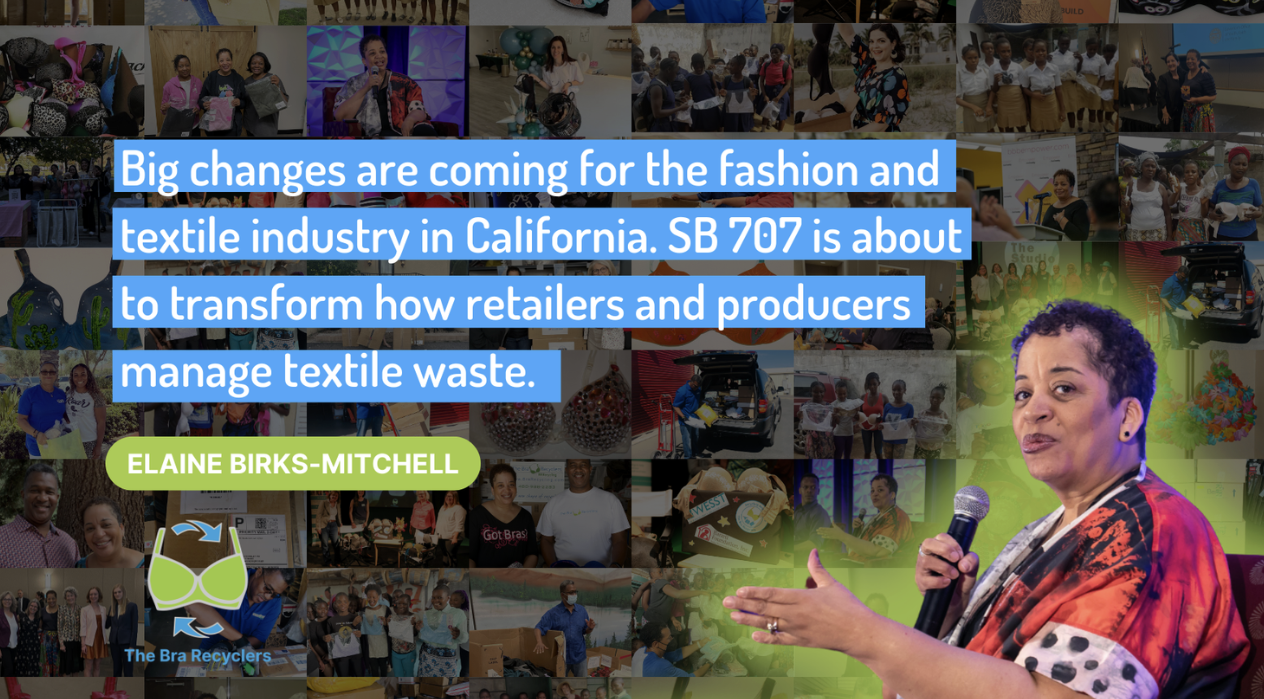
California SB 707. Signed September 2024, this is the first textile Extended Producer Responsibility law in the United States. It requires producers selling apparel and textiles in California to join a Producer Responsibility Organization by July 1, 2026, with CalRecycle regulations expected no earlier than July 2028 and full program operation by 2030. Non-compliance runs up to $50,000/day. New York has a similar bill in committee.
The practical implication: mid-market brands selling into California, the EU, or both will need intake tracking, condition grading, lifecycle data, and audit-ready exports to prove compliance. The brand that builds a system of record for second-life activity into its operations becomes very difficult to displace.
The Play:

Unlock the Vault.
Join founders who spot opportunities ahead of the crowd. Actionable insights. Zero fluff.
“Intelligent, bold, minus the pretense.”
“Like discovering the cheat codes of the startup world.”
“SH is off-Broadway for founders — weird, sharp, and ahead of the curve.”


