


Gen Z just spent $208 on clothes online. Half of it's coming back.
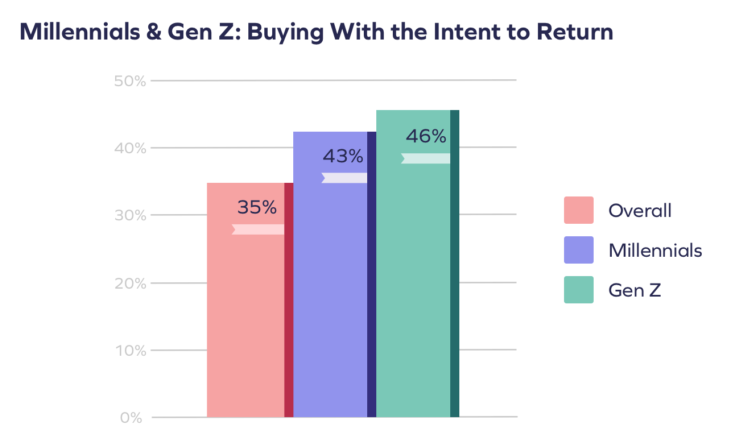
Not because the product is bad. Because they ordered three sizes of the same jeans, two colors of the same sweater, and a backup dress they never planned to keep. It's called "bracketing," and 51% of Gen Z and Millennials admit to doing it regularly. They treat your warehouse like a dressing room and your return portal like closing time at the mall.
Here's what makes this a business opportunity: a $5M/year Shopify brand with a 20% return rate is processing roughly 20,000 returns annually. At $10 per return (conservative), that's $200K in pure waste. Prevent 15% of avoidable returns through pre-fulfillment interventions and you've saved them $30K. Charge them $300-$800/month and they get 10-30x ROI in year one.
The insight isn't complicated. Every Shopify merchant is underwriting a free option they don't know how to price. The customer gets to "try at home, decide later" while the merchant absorbs shipping both ways, restocking, depreciation, and the 9% chance it's outright fraud. That $850 billion in projected 2025 returns isn't just inconvenient—it's capital being held hostage by consumer behavior that merchants can see but can't price.
Colombia offers an unexpected signal.
Domina's Proof Point
Domina is a 20-year-old logistics company in Medellín moving 20+ million shipments annually across Colombia. They didn't "optimize returns" with better labels or prettier portals. They built a machine that predicts which shipments will boomerang before they're even delivered.

The system flags high-risk deliveries, adjusts handling protocols, and reroutes packages based on return probability. Result: 15% improvement in delivery effectiveness. Fewer costly round trips. Better resource allocation.
What works at enterprise scale in Latin American logistics works even better when you shrink it into a Shopify app for U.S. apparel brands drowning in returns.
The Market Reality
The National Retail Federation's 2025 data is brutal: $849.9 billion in returns (15.8% of all retail sales), with 19.3% of online purchases coming back. For apparel specifically, return rates often exceed 30%. Nearly one in three clothing items ordered online comes back.
The behavior is accelerating, not slowing. Gen Z shoppers averaged 7.7 returns in the past year—more than any other generation—and 66% admit to "bending the truth" on return reasons.
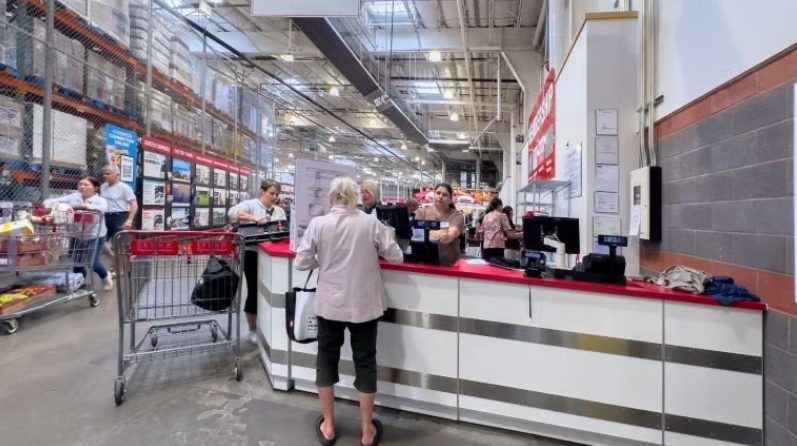
Free returns are unsustainable. Three-quarters of retailers now charge for at least some returns—up from two-thirds just a year earlier—because operations and shipping costs made "free returns forever" a margin killer. But they're doing it blindly, punishing good customers and missing the real abusers.
Return fraud is a $76.5 billion problem. NRF reports 9-10% of returns are fraudulent. Happy Returns (owned by UPS) just launched "Return Vision," an AI tool that flags suspicious returns by comparing returned items to product catalogs. Less than 1% of returns get flagged as high-risk, but 10% of those are confirmed fraud averaging $261 per incident. The tech is primitive—just image matching—but retailers are desperate enough to pilot it.
Over 80% of large retailers are exploring or deploying AI for fraud and returns management. But they're not predicting returns before fulfillment. The entire ecosystem is reactionary. Loop and AfterShip dominate the Shopify returns app market with some post-purchase fraud scoring, but they're built for efficient processing—branded portals, automation rules, exchange incentives. They don't tell you which orders are about to explode in your face before you ship them.
That's the gap.
The Product
You're not building "another returns app." You're building the layer that sits before Loop and AfterShip—a FICO score for orders. Your automated interventions are strategically planted in 4 interconnected layers. The key is to intelligently and predictively incentivize the customers to reduce return, never to punish them for it. Better shopping experience, less return. A win-win situation.

Unlock the Vault.
Join founders who spot opportunities ahead of the crowd. Actionable insights. Zero fluff.
“Intelligent, bold, minus the pretense.”
“Like discovering the cheat codes of the startup world.”
“SH is off-Broadway for founders — weird, sharp, and ahead of the curve.”


