


In 1517, Pope Leo X faced a massive liquidity crisis. He had a vision for the grandest construction project on earth—St. Peter's Basilica—but the Vatican's balance sheet was empty.
His solution became the most effective "freemium to paid" upsell in human history: The Indulgence.
The business model was genius. The Church controlled the ultimate scarcity: Time. Specifically, time spent in Purgatory. The "free tier" of Christianity offered salvation, eventually. The "Pro Tier" offered speed. For a fee, you could buy a certificate that reduced your sentence in the afterlife.
Johann Tetzel, the era's Grand Master of Sales, rolled out a viral marketing campaign across Germany with a simple hook: "As soon as the coin in the coffer rings, the soul from purgatory springs."
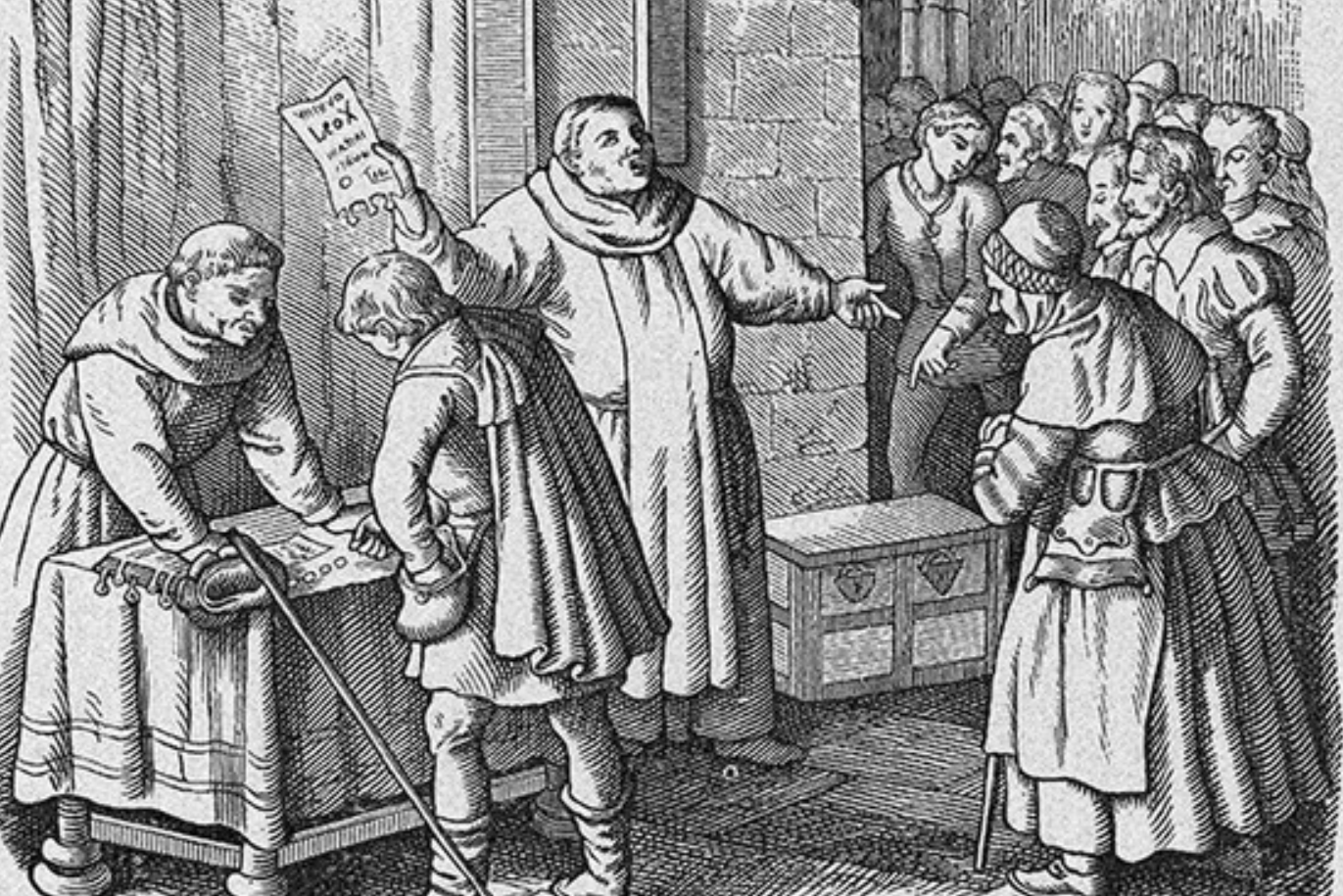
Tetzel understood he was monetizing anxiety, not selling certificates. Leo had figured out what every great SaaS founder eventually learns: people hesitate to pay for "vitamins" (being a better person), but they will empty their savings for a "painkiller" (guilt relief). The campaign was so successful it didn't just fund the Renaissance; it inadvertently triggered the Protestant Reformation because the product-market fit was too aggressive.
Here's what makes the model work: You're not selling a physical good. You're selling a mechanism that lets customers buy their way out of their own shame.

Five centuries later, that same anxiety lives in different forms. We don't fear Purgatory anymore—we fear the "Digital Now." After three hours of doomscrolling, we feel contaminated. Our fractured attention produces a specific kind of modern guilt that previous generations never experienced.
A new wave of founders is building "Redemption as a Service." These are simple apps that brick your phone's vices—TikTok, Instagram, dating apps—until you complete a centering ritual. They force you to buy back your own attention.

The economics are startling. One team used this exact playbook to race from zero to $50,000 in Monthly Recurring Revenue in just 90 days. They didn't spend a dime on ads. They just tapped into a massive, under-served market of people desperate for a digital detox.
While others chase complex tech, they built a "ritual lock" that drove 100k installs by selling something more valuable than content: Relief from the anxiety they already feel.
Read the full playbook here:
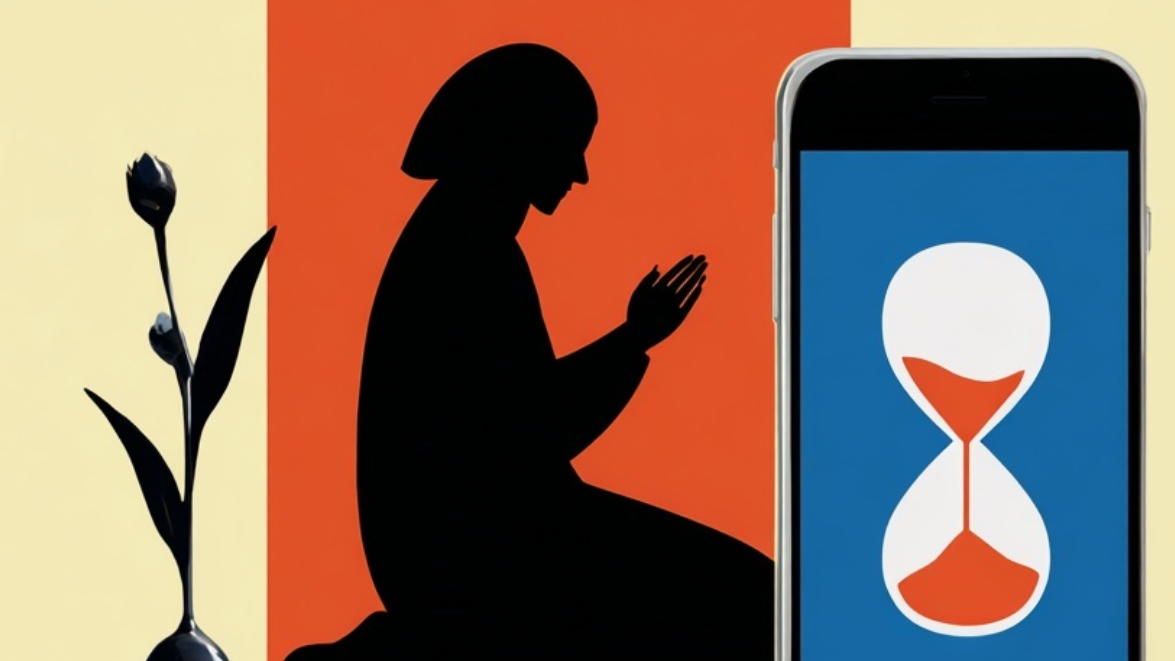
VCs poured $175 million into faith apps, validating what religion knew all along: obligation beats motivation. The micro-niches are wide open.
From the Vault:

Experiential budgets hit $128B but can't prove ROI. Build the productized stunt studio that turns one-day activations into measurable 30-day content pipelines.
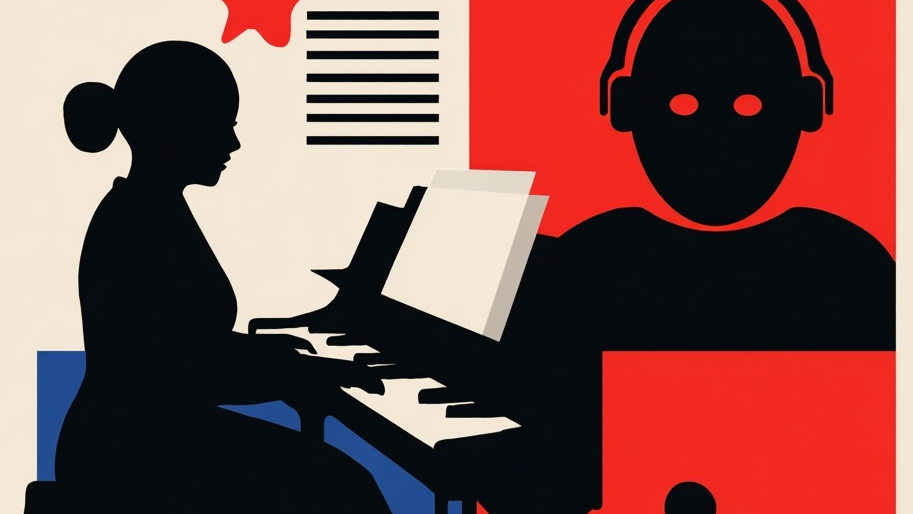
Universal and Warner legitimized licensed AI music while Spotify mandated disclosures. Agencies deploying tracks commercially need compliance documentation that doesn't exist yet.


