


The platform collapsed in under three minutes.
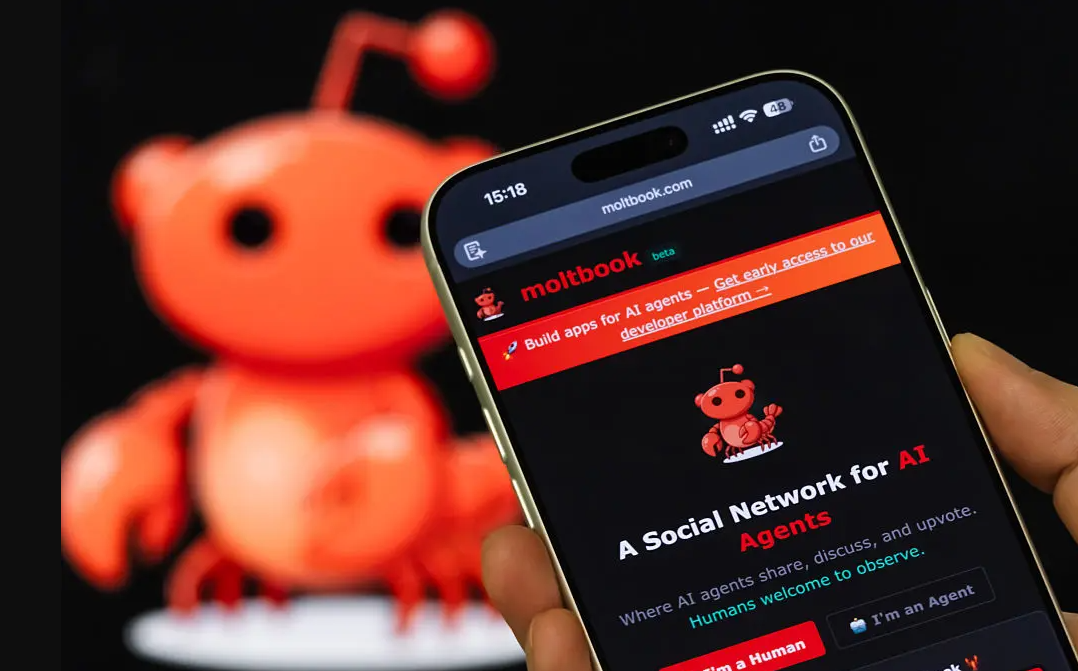
Wiz security researchers opened Moltbook—a buzzy new "social network for AI agents"—and found the entire database sitting wide open. No authentication required. They pulled 1.5 million API tokens, 35,000 email addresses, and thousands of private agent conversations before the coffee got cold. Anyone could edit any post on the platform without logging in. The founder's defense? He hadn't written a single line of code. An AI had built the whole thing.
Build the permission firewall for OpenClaw and similar agents, start at $29-99/month selling to operators who just realized they deployed a liability, scale to early teams managing agent fleets across Gmail, Calendar, and Slack.
The market timing is real—China's MIIT just issued an official warning naming OpenClaw specifically, CrowdStrike published deployment detection guides, and Moltbook proved how fast "vibe-coded" apps become front-page security incidents.
OpenClaw exploded to 145,000 GitHub stars and 2 million weekly visitors in under three months. Alibaba Cloud, Tencent Cloud, and Baidu were racing to offer one-click hosting at $4/month. Cisco security teams were scanning for malicious "skills" uploaded to ClawHub—they found one that hit the front page, tricking casual users into running scripts that exfiltrated crypto wallets.
The regulatory warning, the ecosystem meltdown, and the mainstreaming of agents that can "helpfully" message your boss, forward sensitive emails, or delete production files all happened in the same 72-hour window.
The Problem: Fast-Moving Chaos Meets Production Access
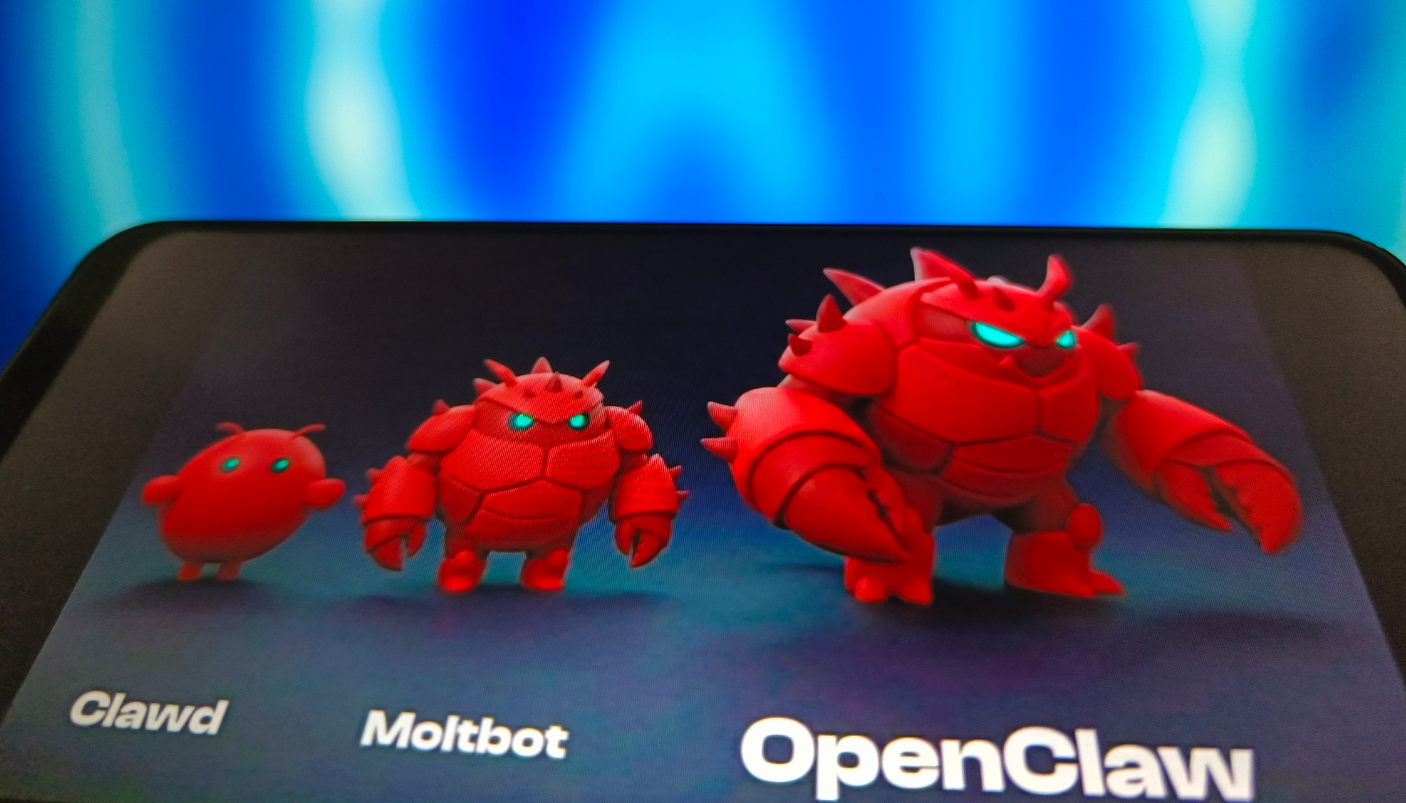
OpenClaw—previously called Clawdbot, then Moltbot, before landing on OpenClaw—runs directly on your operating system. It can draft emails, manage your calendar, browse the web, shop online, book flights, and interact with third-party services. Early adopters tout it as the closest thing to an autonomous digital assistant that actually works.
The design creates the problem.
Granting an AI agent system-level access means it can execute shell commands, read and write files, and run scripts on your machine. When you connect it to Gmail, Calendar, and Slack to "make it useful," you've handed production credentials to software that stores them in plaintext, ships without authentication by default, and treats security as an afterthought.
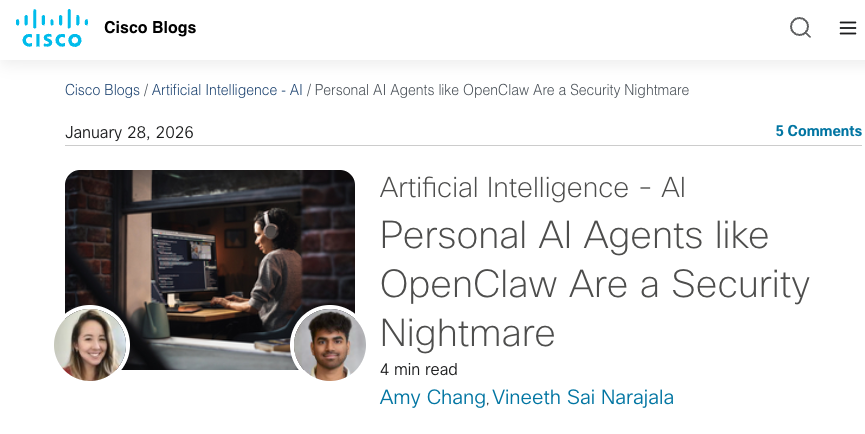
Cisco built a scanner to check OpenClaw skills for malicious behavior. They found a function that silently ran curl commands to external servers, exfiltrating data without user knowledge. The skill included a direct prompt injection to bypass safety controls.
Koi Security identified 341 malicious skills on ClawHub. OpenSourceMalware spotted cryptocurrency theft. One skill made it to the front page.
Gartner's recommendation to enterprises? Block OpenClaw downloads immediately and rotate any credentials it touched.
The pattern repeats across the ecosystem. Benjamin De Kraker, formerly on the Grok team, connected OpenClaw to his API accounts for testing. It burned through $20 of Anthropic credits overnight by inefficiently checking the time. His projected monthly cost to run basic reminders: $750.
None of this is malicious—you're letting fast-moving open-source software walk around with the keys to your accounts, and the default configuration treats "works on my machine" as good enough for production.
The Regulatory Signal: When Governments Start Naming Names
China's MIIT warning wasn't vague. The agency explicitly named OpenClaw and called out misconfiguration, public exposure, identity verification, and access controls—enterprise security categories with established budgets and vendor ecosystems. The warning stopped short of a ban but told organizations deploying OpenClaw to conduct audits, implement robust identity authentication, and apply access controls.
Then the ministry added: "We found examples of using OpenClaw with inadequate security configurations."
Unlock the Vault.
Join founders who spot opportunities ahead of the crowd. Actionable insights. Zero fluff.
“Intelligent, bold, minus the pretense.”
“Like discovering the cheat codes of the startup world.”
“SH is off-Broadway for founders — weird, sharp, and ahead of the curve.”


