


A 19-year-old founder just raised $1.2 million from Y Combinator to replace cowboys with drones.
Not for photography. For labor.
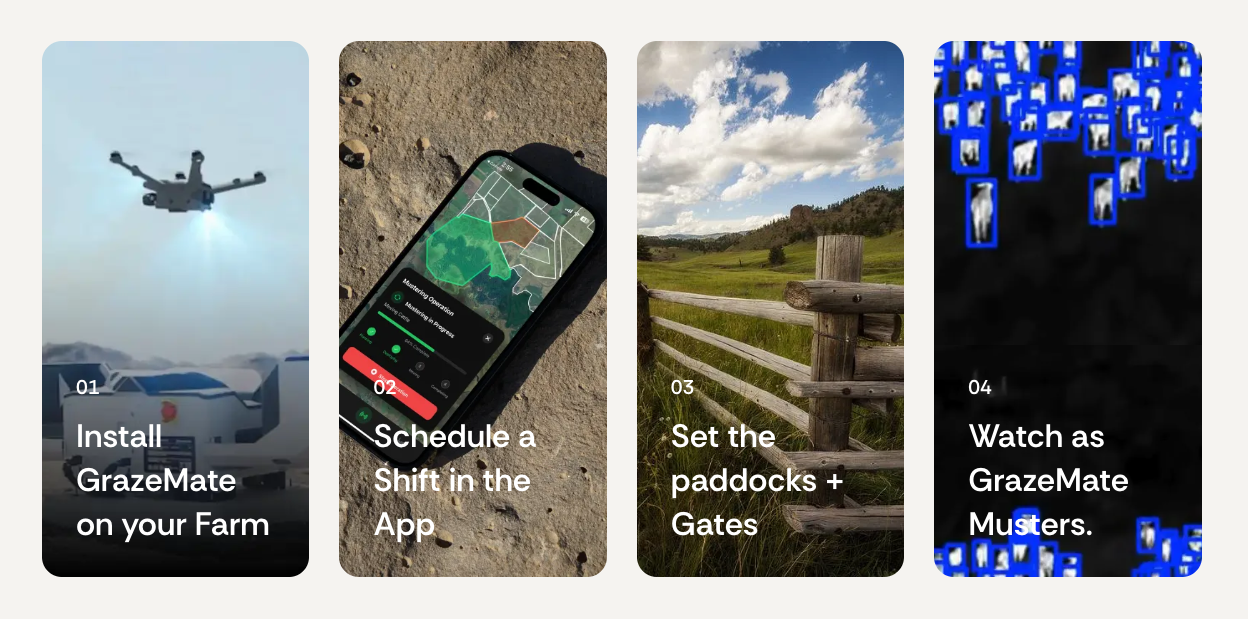
Sam Rogers grew up watching his dad spend full days mustering 6,000 head of cattle across Queensland using helicopters, motorbikes, and horses—operations that cost ranches $10,000 to $1 million annually. His company GrazeMate does it in three clicks from a phone. Push a button, the drone flies itself to a paddock, positions around the herd, and guides cattle to new pastures.
The same mechanics work anywhere you need consistent outdoor monitoring paired with documented evidence. The global drone roof inspection market hit $198.9 million in 2024 and projects to $889.2 million by 2035. Facilities teams already pay $500-999 per month for regular roof documentation. The budgets are allocated. The buyers understand drone reports. The infrastructure spend is normalized.
What's missing: nobody's selling this as recurring patrol instead of one-off inspections.
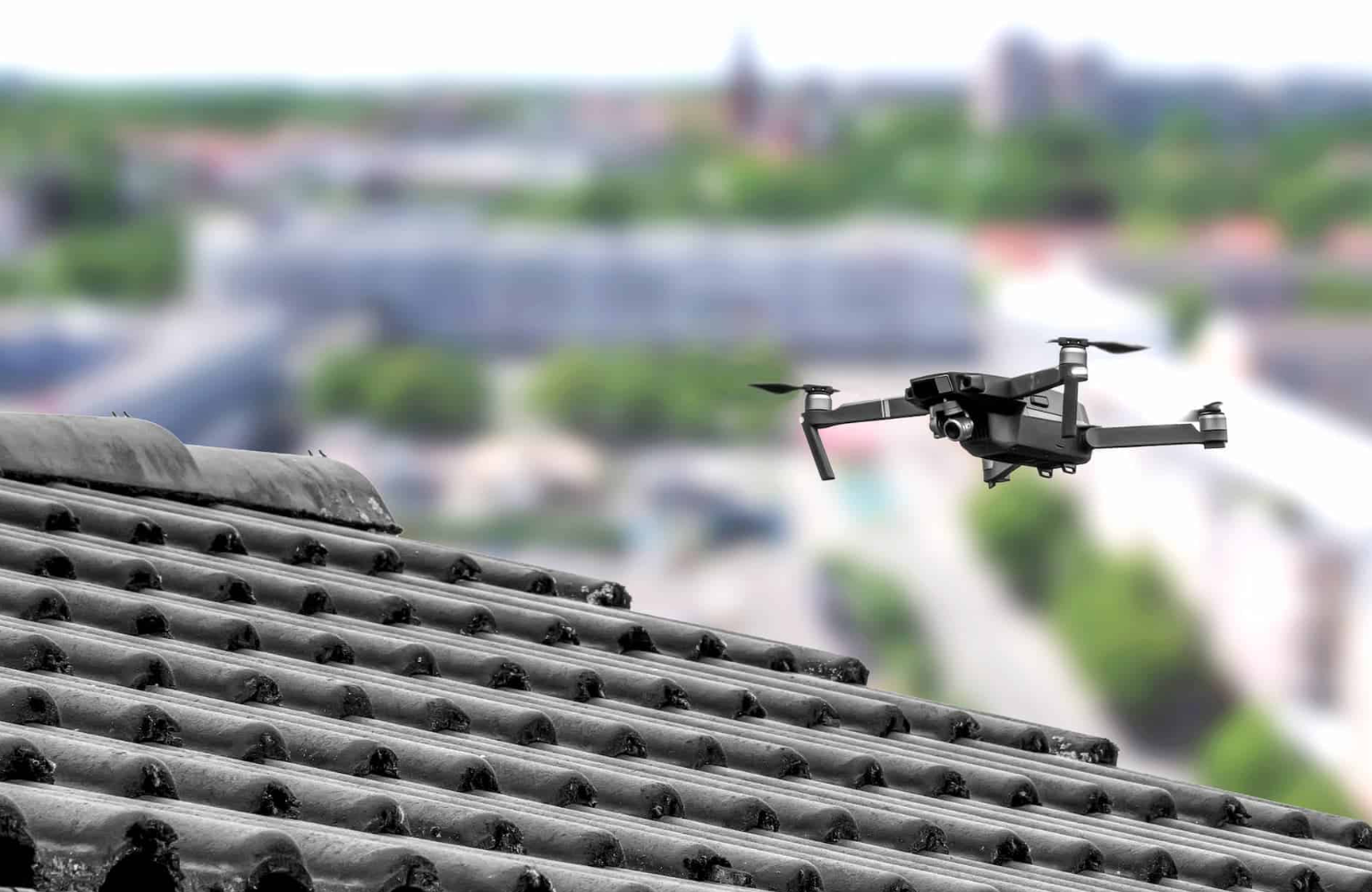
Commercial roofs don't need helicopters. They need someone checking for ponding, membrane damage, and clogged drains after every storm—work currently done with ladders and liability. Facilities directors at industrial parks and REIT portfolio managers already expense "roof documentation" and "post-storm assessment." They know what a drone report looks like. They just buy it episodically instead of as infrastructure.
The play: recurring patrol with compliance built in, delivered to customers who already understand the value proposition and have line items for it.
The surface story is fun ("robot cowboy"). The real business is industrial infrastructure—scheduled, compliant, boring, and recurring.
The opportunity in one sentence
Build an Autonomous Patrol Network: software + operations that runs repeatable drone "missions" for outdoor assets (roofs, turf, wildlife, fences), turning flights into alerts, reports, and work orders.
Why this works (and why now)
1. The roof inspection market is already productized
Drones for commercial roof inspection aren't experimental. They're standard procurement.
The global market hit $198.9 million in 2024 and projects to $889.2 million by 2035—a 14.4% CAGR driven by insurance adoption, storm response workflows, and facility teams eliminating ladder liability. Broader industrial drone inspection is projected to grow from $746 million in 2024 to over $4.6 billion by 2035.
Pricing has stabilized. Residential properties: $150-300. Commercial buildings: $500+. Portfolio work: $0.02-0.08 per square foot. Drone pilots charge $80-250 per hour. Insurance adjusters prefer drone reports—they cut inspection turnaround by 50% or more and eliminate the liability of field teams climbing damaged structures.
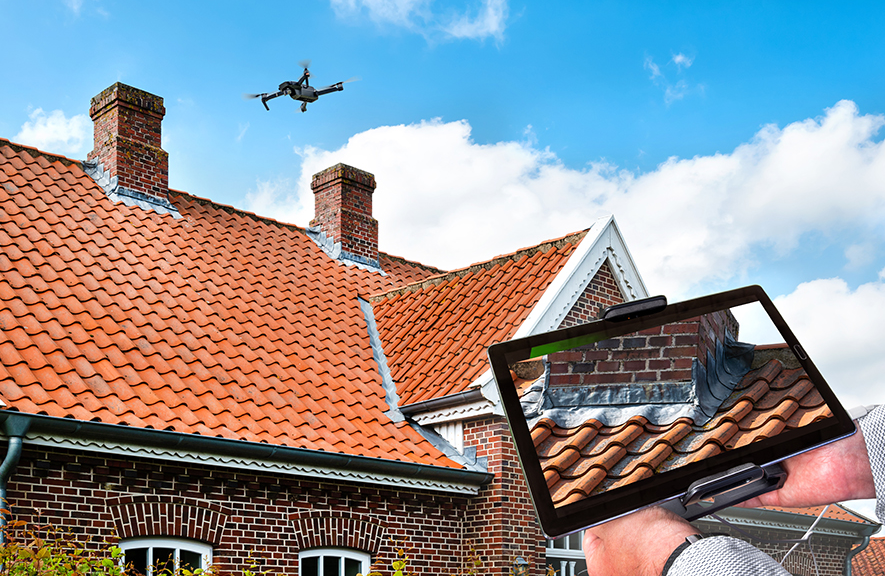
Facilities directors at industrial parks, REIT portfolio managers, and roofing contractors have line items for this. They know what thermal imaging overlays look like. They understand prioritized defect lists. The spend is normalized.
What hasn't been normalized: recurring relationships.
Most providers sell one-off inspections. Show up, capture imagery, deliver a report, disappear. No scheduled patrol. No "we check your buildings every month and ping you when something needs attention." No conversion from episodic capex-style spend into predictable monthly opex.
That conversion is the entire opportunity. The market accepts drone roof documentation. The question is whether you can package it as infrastructure customers prefer to buy on subscription instead of calling when there's visible damage.
2. Goose control is real recurring spend—but better as brand leverage
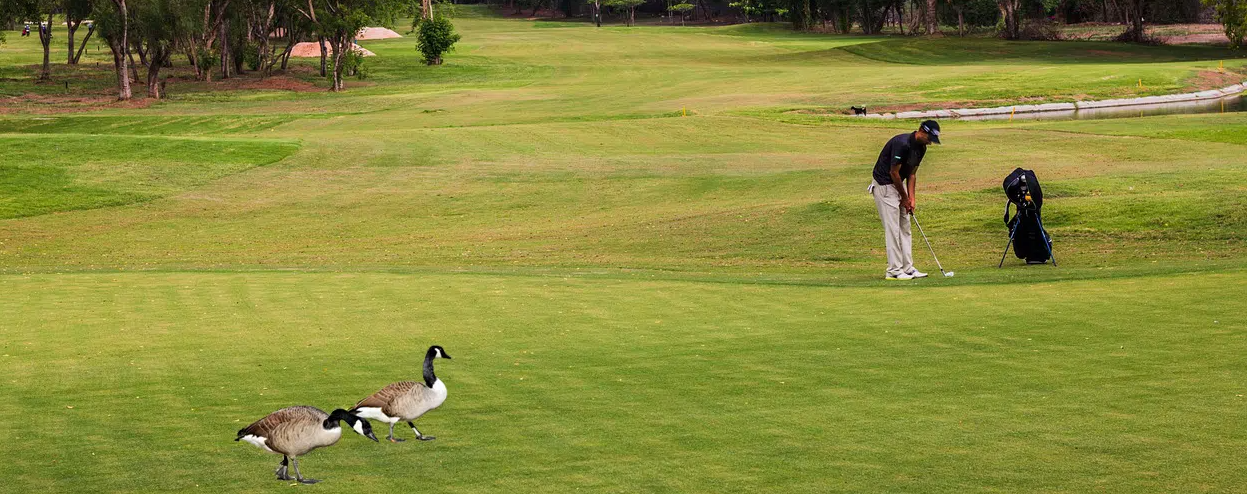
Golf courses, corporate campuses, HOAs, and municipal parks spend serious money keeping Canada geese away. A single goose produces 2-3 pounds of waste daily. A small flock turns fairways into sanitation hazards within days.
The incumbent solution: trained Border Collies with handlers. Companies like Wild Goose Chase have operated since 1998 running twice-daily patrols where dogs stalk and herd geese away, conditioning them to avoid the property. It works—clients see 80-90% reductions in goose activity. Golf courses save $5 in cleanup costs for every $1 spent on goose management. Service pricing runs $150-3,000 per week depending on course size and complexity, which translates to $750-2,000+ monthly.
Unlock the Vault.
Join founders who spot opportunities ahead of the crowd. Actionable insights. Zero fluff.
“Intelligent, bold, minus the pretense.”
“Like discovering the cheat codes of the startup world.”
“SH is off-Broadway for founders — weird, sharp, and ahead of the curve.”


