


A Saturday night in Brooklyn, 2026. Teenagers meet in Prospect Park with their phones powered off—on purpose. They're reading physical books, sketching in notebooks, playing guitar. No Instagram stories. No TikTok. This is the Luddite Club, started by a 14-year-old who checked her screen time during COVID and realized she was spending over half her waking hours staring at a phone.
The club now spans multiple cities with a documentary and a name: the Luddite Renaissance. Youth groups in Denver, Silicon Valley, Orlando, DC, and Ohio coordinate "Real People in Real Time" events.
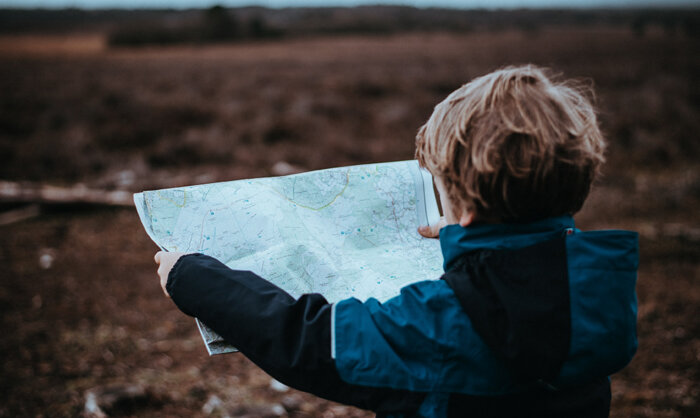
And these kids need maps.
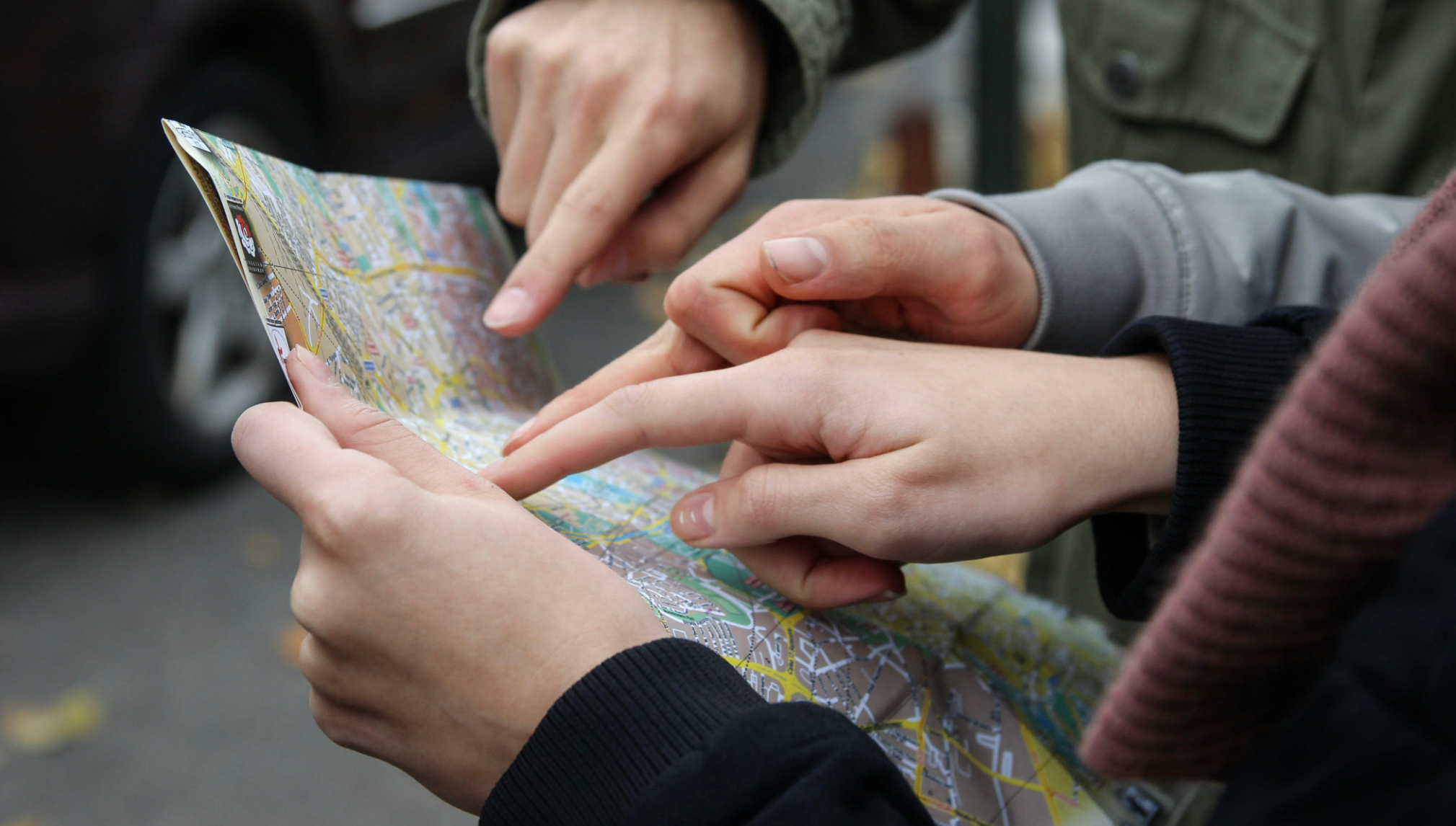
Not GPS. Fold-out paper maps showing third places—indie bookstores, quiet parks, late-night safe hangs—the infrastructure of offline culture that Google doesn't naturally capture.
Premium city maps at $32-49 retail, artist collaborations, distribution through bookstores and cafés where this crowd already gathers.
Build to a custom map generator ($12 digital, $35-45 printed) targeting phone-ambivalent romantics, not just hardcore Luddites.
Small-team, brand-led venture hitting $50-100K monthly revenue within 18 months at 50-60% gross margin.
The data is real: AAA produced 123% more paper maps in 2022 than 2021, making about 5 million maps that year. Circana reported 1.8 million maps and atlases sold, up 20% year-over-year. Ordnance Survey in the UK saw custom map sales jump 144% in 2020, then 28% in 2021. Map Shop in Charlotte reports steady 20-30% annual growth.
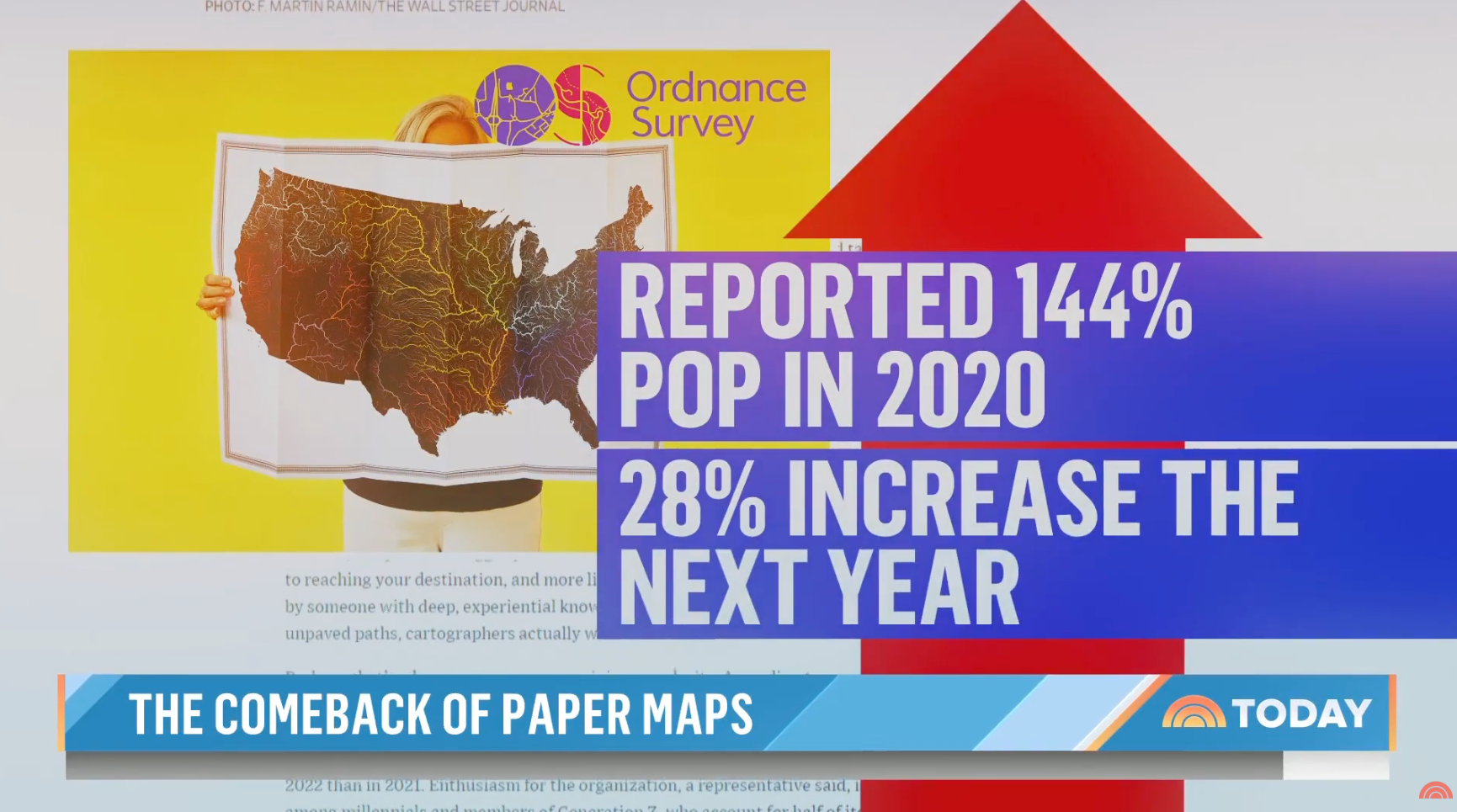
Paper maps are back, but the opportunity isn't navigation—it's owning offline exploration as an identity layer, building it into a product system and distribution network that lives in the physical spaces where phone-light culture gathers.
Three Converging Shifts
Phone-free is becoming identity
The Luddite Club at Edward R. Murrow High School started with two students, Logan Lane and Jameson Butler. The club meets weekly outside the Brooklyn Public Library—teens journaling, sketching, reading to each other. A documentary raised $150,000 on Kickstarter—seven times typical for such films. NYC designated social media a public health hazard in 2024.
Groups like the School of Radical Attention, Ziggurat (Denver), APPstinence (Silicon Valley), FREE POPS (Manhattan), and Reconnect (Orlando) coordinate events. VML Intelligence found 83% of American Gen Z have newfound appreciation for in-person interactions post-pandemic; 68.6% say screen time negatively affects their mental health.

The flip phone market backs this up: IDC forecasts foldable phone shipments reaching 27.6 million units in 2025, with 69.9% compound annual growth from 2020-2025. The flip phone market hits $29 billion in 2025. HMD Global (Nokia's maker) sold "tens of thousands" of flip phones monthly in 2022.
Reality check: this is a vocal minority, not mainstream Gen Z. Your addressable market is "phone-ambivalent romantics" who want intentional friction—not Luddite purity tests. But that market is growing and has money.
Third places are having a moment
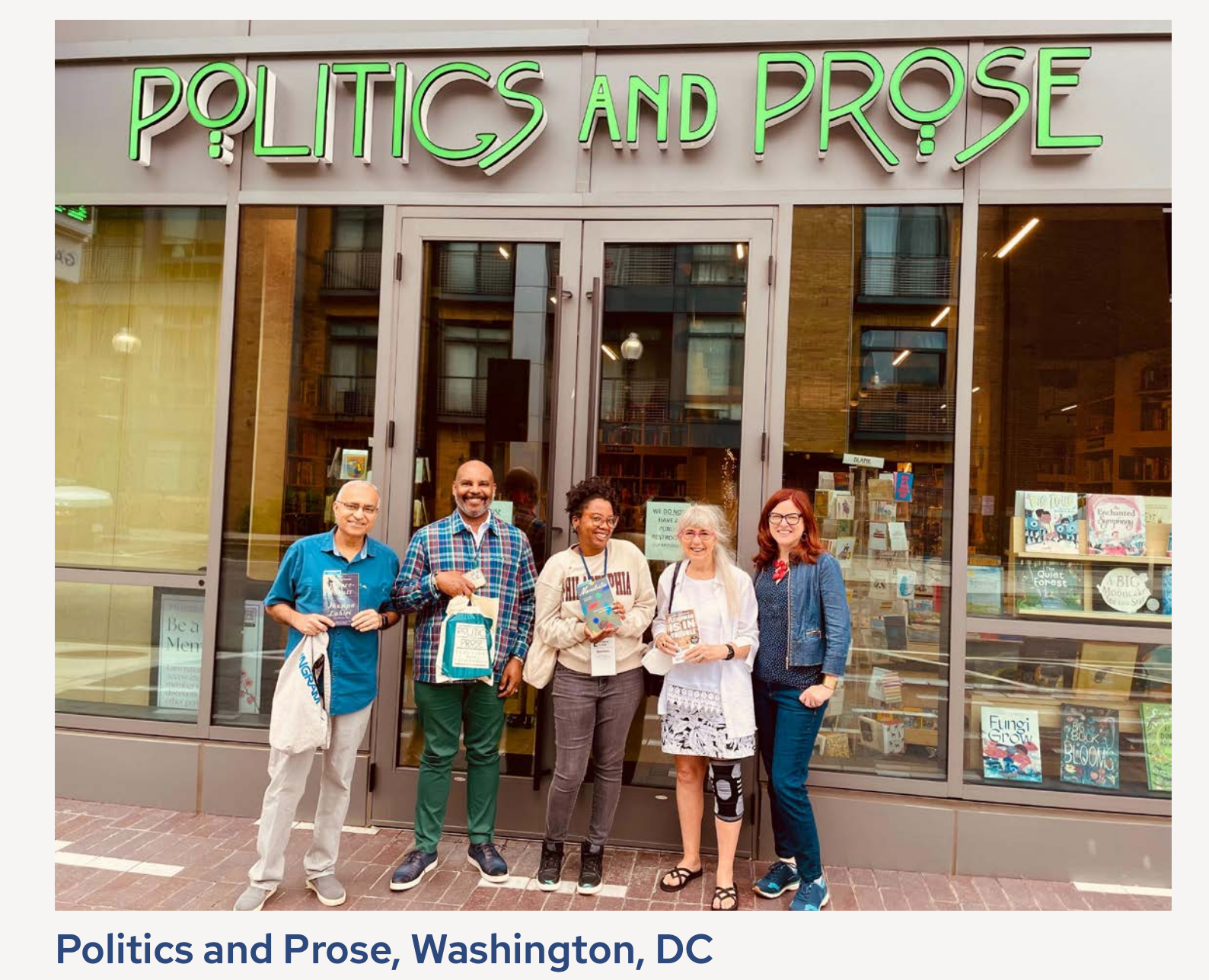
Gen Z is rediscovering physical spaces. The American Booksellers Association reported 11% YoY membership increase in early 2024: 2,433 bookstore companies in 2,844 locations. Barnes & Noble opened roughly 60 locations in 2024. Book club listings spiked 24% on Eventbrite in 2023. Chamberlain Coffee opened its first permanent LA café in January 2025, projecting $33M revenue (up 50% YoY). 76% of Gen Z shoppers say brick-and-mortar stores provide a better experience than online shopping.
Shopping centers evolve into experiential destinations. Nearly half of new tenants in North American shopping centers are experiential or service-based—boutique fitness, entertainment venues, co-working spaces.
Maps as collectibles, not navigation
Maps are being bought as art, inspiration, and identity objects. They're sold as colorful, vintage-vibe prints for decoration. AAA produced 5 million paper maps last year alongside TripTik route planners—not because people can't use GPS, but because they want context and points of interest.
A paper map is functional enough, collectible enough, and postable. A crease and coffee stain carries more story than a screenshot.
The Real Play
You're not competing with Google Maps on navigation. You're packaging taste into a collectible object.
Google will never ship a fold-out map optimized for what offline culture values:
- Bookstores and indie cafés where people gather
- Parks with quiet benches
- "Take the long way because it's better" routes
- No-signal pockets (feature, not bug)
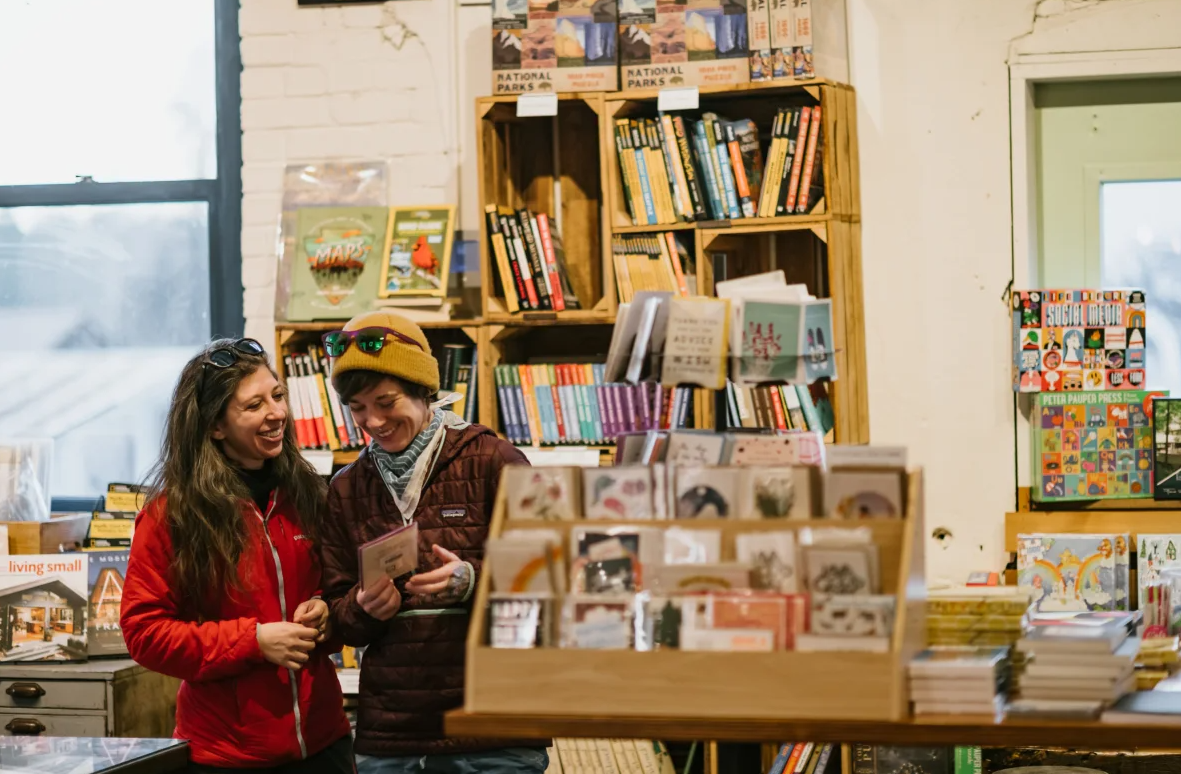
Your real moats: brand, relationships, and physical distribution in third places—not data APIs or algorithmic advantages. Treat the "offline culture dataset" as a bonus that strengthens the brand, not your primary defense. Big Tech could approximate some of this by mining reviews and mobility traces; your durable edge is the curated network and the community that actually cares.
The crowded reality: maps as wall art already have players (Ork Posters since 2007, Native Maps, Craft & Oak). Your differentiation must be use-in-the-field + offline culture story, not just nice city graphics. This is collectible utility, not wall art.
The Business Model
Months 1-6: Cash-Flow Commerce
Unlock the Vault.
Join founders who spot opportunities ahead of the crowd. Actionable insights. Zero fluff.
“Intelligent, bold, minus the pretense.”
“Like discovering the cheat codes of the startup world.”
“SH is off-Broadway for founders — weird, sharp, and ahead of the curve.”


