


In 2011, three researchers from Wharton and Berkeley published a study with a startling conclusion: listening to "When I’m Sixty-Four" by The Beatles made people biologically younger.
The methodology appeared rigorous. The math was perfect. The result was statistically significant (p < .05) by every standard academic measure.
It was also total nonsense.
The researchers had intentionally used "p-hacking"—the manipulation of data analysis patterns—to demonstrate a flaw in the scientific process. They didn’t fake the data; they simply tortured it until it confessed. By selectively tweaking variables and cropping timelines, they turned random noise into a "statistically significant" signal.
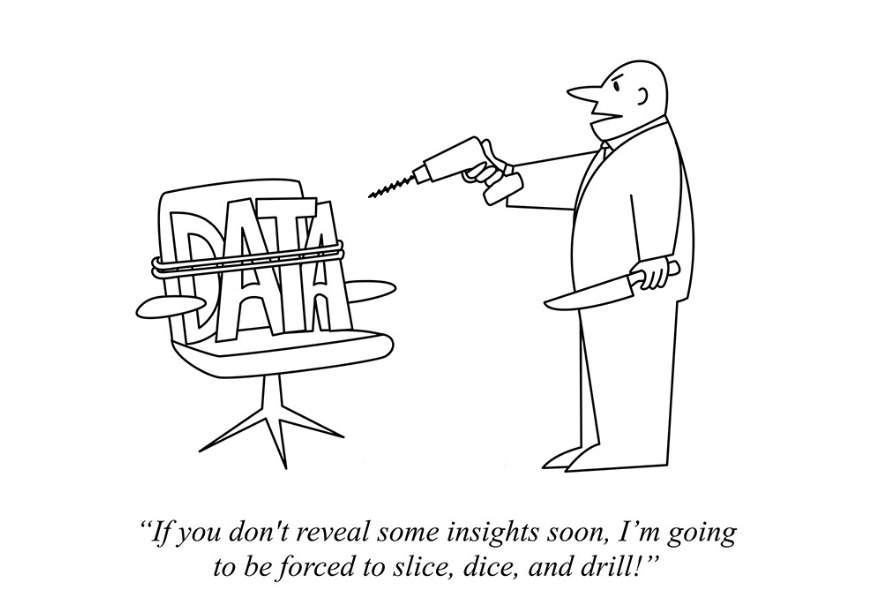
Their paper, False-Positive Psychology, exposed a quiet reality that governs much of the world: institutions do not reward truth; they reward legibility.
In a "publish or perish" economy, a messy truth is ignored while a formatted lie gets tenure. The raw data of reality is usually chaotic, ambiguous, and boring. But gatekeepers—whether they are journal editors, investors, or bureaucrats—require a clean, linear narrative to function.
The difference between a rejection and a breakthrough isn't always the quality of the work. Often, it is simply the formatting.
There is currently a massive "legibility crisis" taking place at the US border.
The US government is the ultimate gatekeeper. To a USCIS officer, a creator earning $250,000 a month on OnlyFans or generating millions of views on TikTok is invisible. Their success exists in dashboards and screenshots, but unless that data is translated into the rigid, 300-page evidentiary structure of an O-1 Visa petition, it effectively does not exist.
This creates an arbitrage opportunity: The Legibility Gap.
The demand is surging. Immigration attorneys report that creators and influencers now make up 50-65% of their O-1 clientele. Yet, law firms are catastrophically bad at converting digital analytics into the "totality of circumstances" evidence the government requires.
The opportunity is not to start a law firm. The opportunity is to build the evidence infrastructure that law firms rent.
You are building a translation engine. By standardizing the chaos of the creator economy into USCIS-approved exhibits, you replace 20-30 hours of expensive paralegal labor per case. The business model is simple B2B SaaS: you sell the "ammunition" that lawyers use to fight the war.
Capture just 5% of this market, and you are looking at a $1.4M ARR business with high-margin recurring revenue.
Truth is just messy data that learned how to wear a suit. It’s time to sell the suit.
Read the full playbook here:

Creator O-1 visas hit 10K+ annually, but lawyers can't turn TikTok dashboards into USCIS exhibits. Build the translation engine.
From the Vault:
Ubuntu 26.04 shifts printing infrastructure. Legacy printers lose driver support. The adapter preventing $15K fleet refreshes prints money.

Mature mesh tech meets parent smartphone anxiety. Festival connectivity failures create the perfect wedge for consumer infrastructure disguised as a safety toy.


