


Picture Thursday night. Someone's apartment is warm, slightly over-lit, suspiciously curated. Bowl of clementines. Speaker playing something that sounds like "lo-fi techno for people who own tote bags." Four 28-year-olds hunched over tiles like they're defusing a bomb.
They're not gambling. They're not even that good.
They're building a ritual.
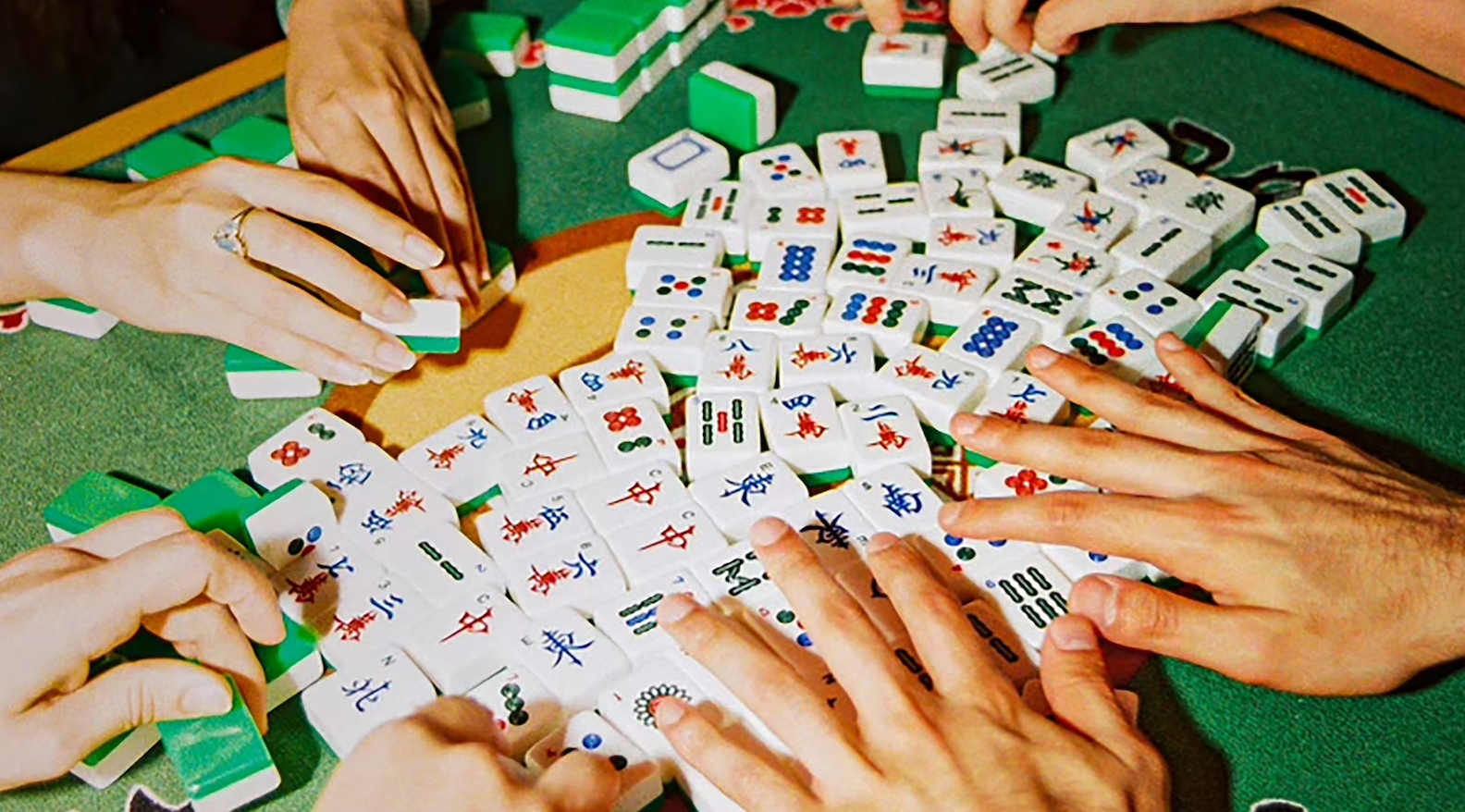
Ritual is the new nightlife. And if you can become the infrastructure layer for mahjong nights—the RSVP system, the seating chart, the venue booking rail—you're looking at $150K-500K+ annual revenue from a single city with 20 hosts and 10 venues. Scale that to three cities and you're pushing seven figures before you even launch remote play.
The Signal: Mahjong Isn't "Back." It's Being Rebranded.
This isn't vibes-only. The data is loud:
Yelp flagged "mahjong mania" as a breakout trend: searches for "mahjong clubs" jumped 4,467% year-over-year, while "mahjong lessons" climbed 819%. Yelp explicitly framed mahjong nights as a rising in-person social trend in their 2026 trend forecast.
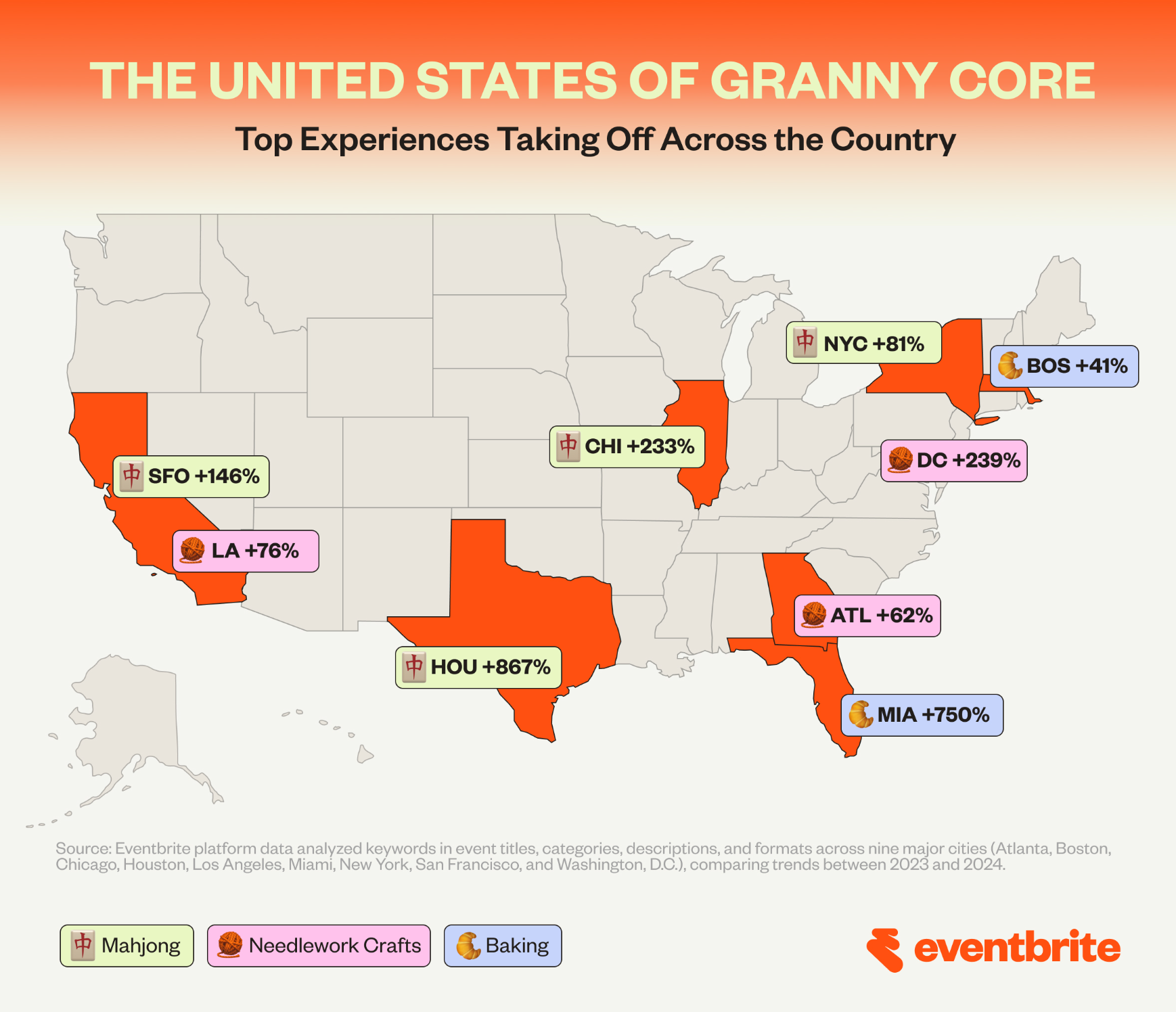
Eventbrite tracked 179% growth in U.S. mahjong event listings between 2023 and 2024. The platform explicitly called out mahjong as part of the "granny-core" wave—nostalgic offline hobbies surging among younger crowds looking for structured connection.
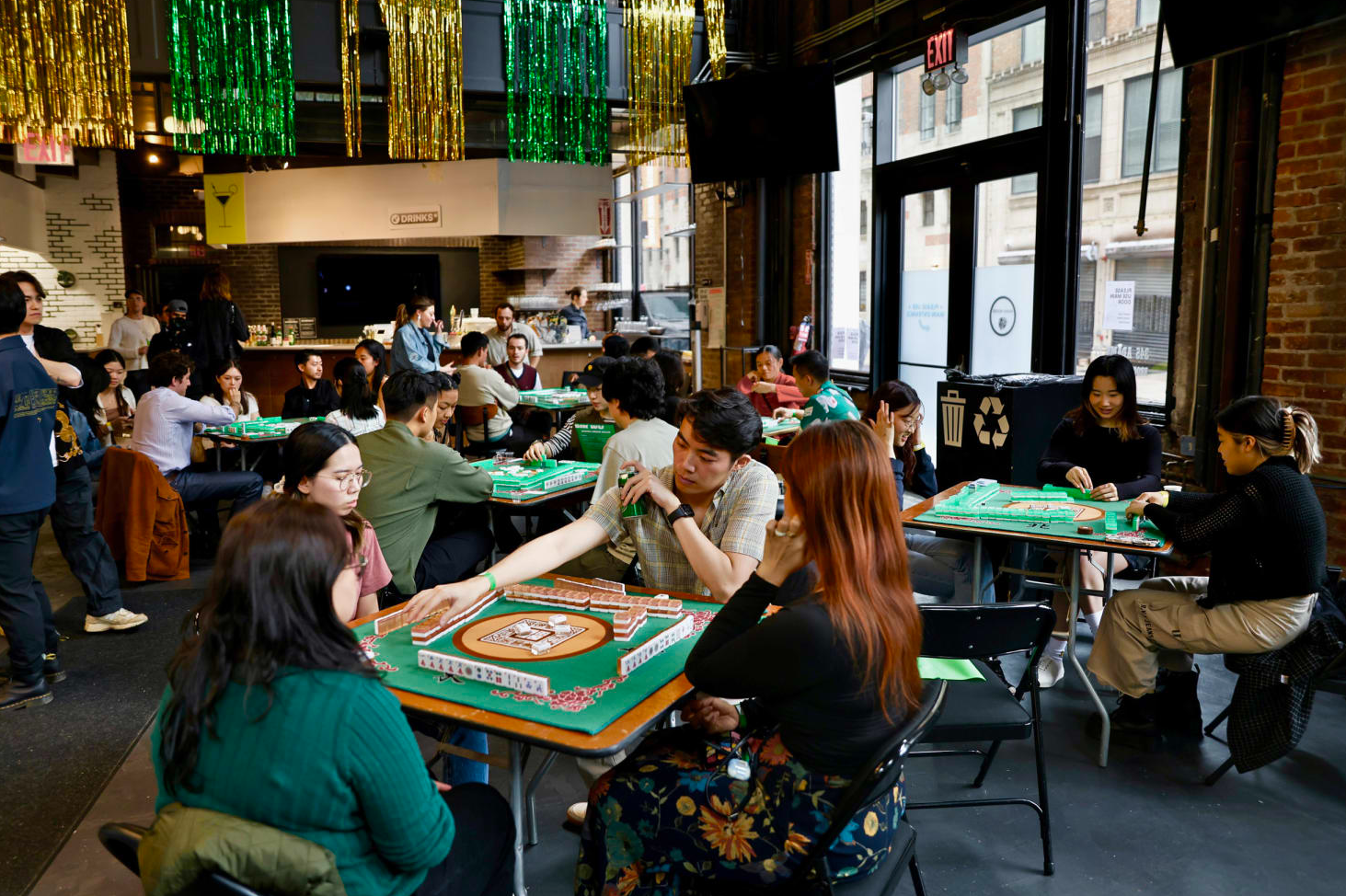
Real clubs are selling out: Green Tile Social Club, NYC's mahjong-as-nightlife operation for young Asian Americans, doubled from 4,000 to 8,000 monthly attendees between late 2023 and mid-2024. Individual events pull 100-300 people. They sell out within hours.
San Francisco's Youth Luck Leisure hosts bimonthly parties with up to 30 tables and 200 guests—complete with DJs, custom cocktails, and on-site teaching sessions for beginners. Sells out fast. Long waitlists.
Restaurants are treating it as a recurring revenue driver: Chef Tim Ma's Lucky Danger in DC runs regular mahjong nights and lessons as business drivers, with table fees that venues gladly collect because the format fills off-peak slots consistently. Ma called it a bright spot as restaurants struggle with rising costs.
Mahjong came back as an excuse—to host, to gather, to become "the kind of person who has a mahjong night."
That identity is your opportunity.
The Trap: "A Prettier Mahjong App" Is Not The Heist
Your plan shouldn't be: "Online mahjong with pretty tiles + voice chat + tournaments + cosmetics."
That's walking into a knife fight with incumbents who already do "online mahjong" at scale. This category has serious gravity: entrenched platforms, deep rule systems, culture-native audiences who already have their default client.
Worse—the reason mahjong is exploding in the U.S. right now is offline. People want tactile, social, structured, low-pressure togetherness. Building another digital mahjong app means betting against the very trend you're trying to capture.
The Real Opportunity: Build The "Mahjong Social Layer"
Mahjong is a container for modern third places—and third places are being rebuilt from scratch.
Eventbrite literally coined the term "Fourth Spaces": gatherings that bridge online interests into real-world connection. Gen Z is turning to platforms like Eventbrite specifically for nostalgic, granny-core experiences because they're craving structured offline gatherings.
Mahjong nights fit perfectly. They're structured enough that nobody stands around wondering what to do. Beginners can join without feeling lost. The ritual can repeat weekly. The tiles are inherently postable. For Asian diaspora especially, there's a cultural richness that feels like reconnecting with heritage.
Your wedge: Become the operating system for mahjong nights. Once you gained traction, expand into the broader "grandma-core social club" economy.
Use the following playbook:
The Product: MAHJ CLUB (working name)
Unlock the Vault.
Join founders who spot opportunities ahead of the crowd. Actionable insights. Zero fluff.
“Intelligent, bold, minus the pretense.”
“Like discovering the cheat codes of the startup world.”
“SH is off-Broadway for founders — weird, sharp, and ahead of the curve.”


