


The most subversive consumer product of 2025 is a screen you can't scroll.
A Stanford grad posted a DIY Bluetooth handset to social media expecting maybe 15 orders. She pulled $120,000 in three days.
By the end of October, Cat Goetze's Physical Phones had moved 3,000+ units and banked $280,000 in revenue selling retro landline-style handsets for $90-$110 each. No funding. No business loan. Just a pink clamshell phone that pairs via Bluetooth and a cultural moment she read perfectly.
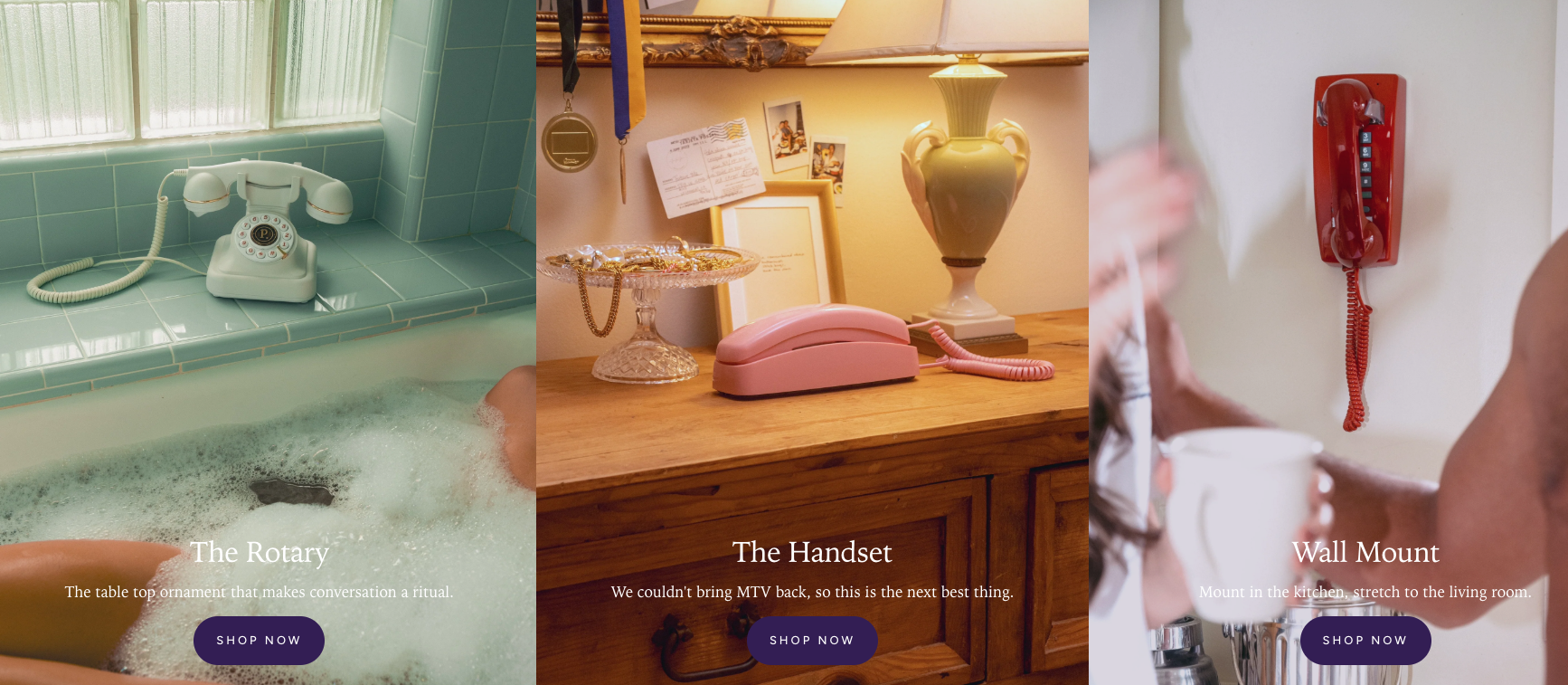
The handset is cute. The timing is everything.
The "Physical Phone" competes with the weakest part of your brain: the part that checks a feed when you meant to call your mom. The handset is a totem. The product is permission—permission to be unreachable without seeming rude. A physical object sitting on your table is a social contract. An app toggle is a private promise, and private promises break.
Why This Wave Is Real
Three demand signals are stacking up.
47% of UK adolescents would prefer to grow up without the internet. A British Standards Institution study of 1,293 UK adolescents found that nearly half of 16-21 year-olds would choose a world without the internet. Half support a mandatory "digital curfew" past 10pm. That's generational mood.
The same cohort spends 4+ hours daily on social media but reports feeling worse about themselves 68% of the time after using it. They're stuck in the loop and they know it.
People are paying to be forced offline. The Offline Club launched in London in late October and sold out events immediately. More than 2,000 people paid £9.50-£15 to lock their phones away for two hours and read, draw, or talk to strangers in a church. Events now run weekly across London, Paris, Barcelona, and Dubai.
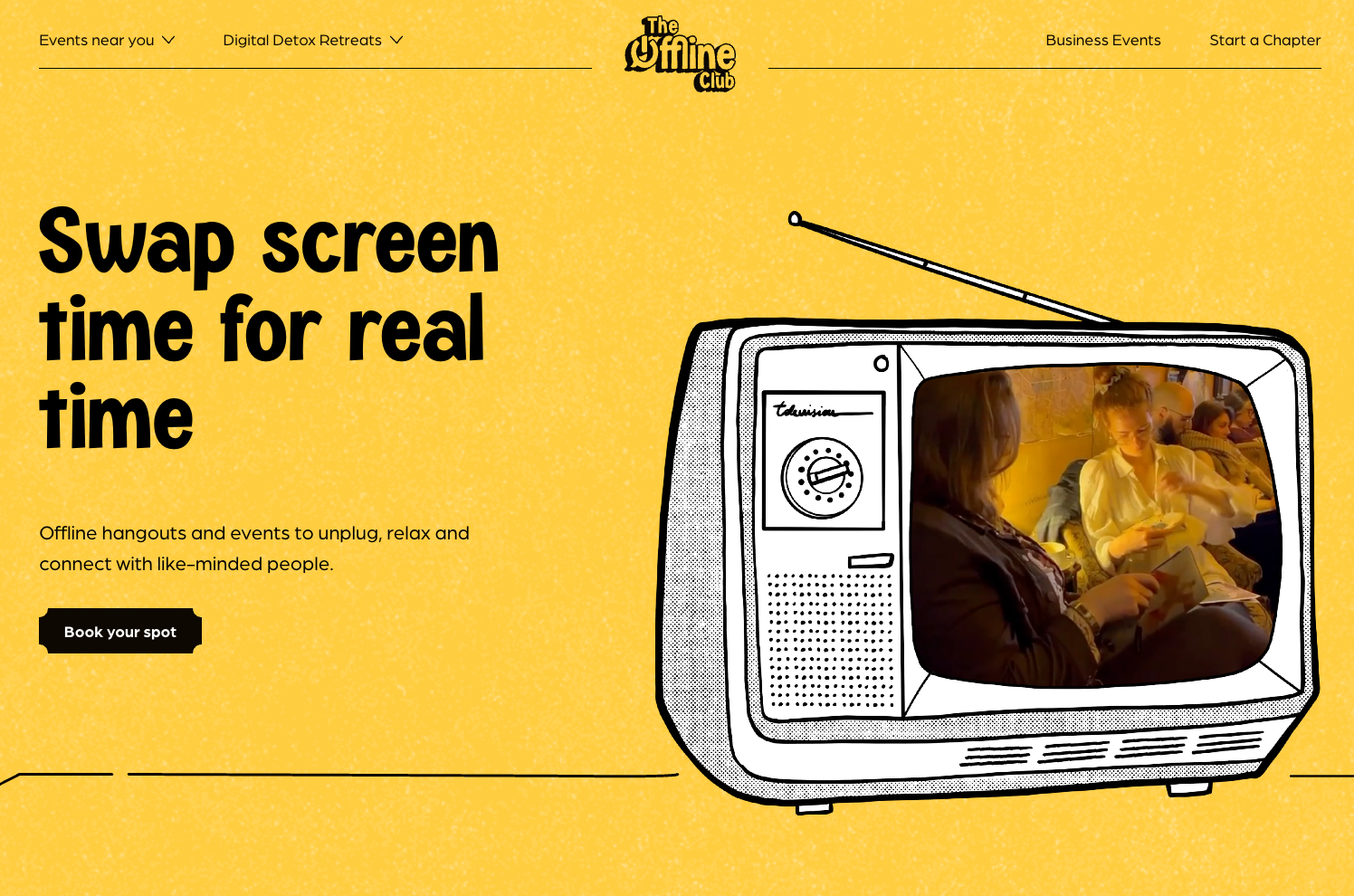
Founder Ben Hounsell told AFP the club isn't anti-tech—it's pro-boundary. "A lot of people are realizing that just getting away from your phone for a few hours can be super beneficial."
Phone-free hangouts are ticketed experiences now.
Minimal-phone brands proved recurring revenue works here. Light Phone has shipped 100,000+ devices. The company doesn't just sell hardware—it sells optional cellular plans at $30-$70/month depending on data needs. Customers pay monthly to maintain what co-founder Joe Hollier calls "a different relationship with attention."
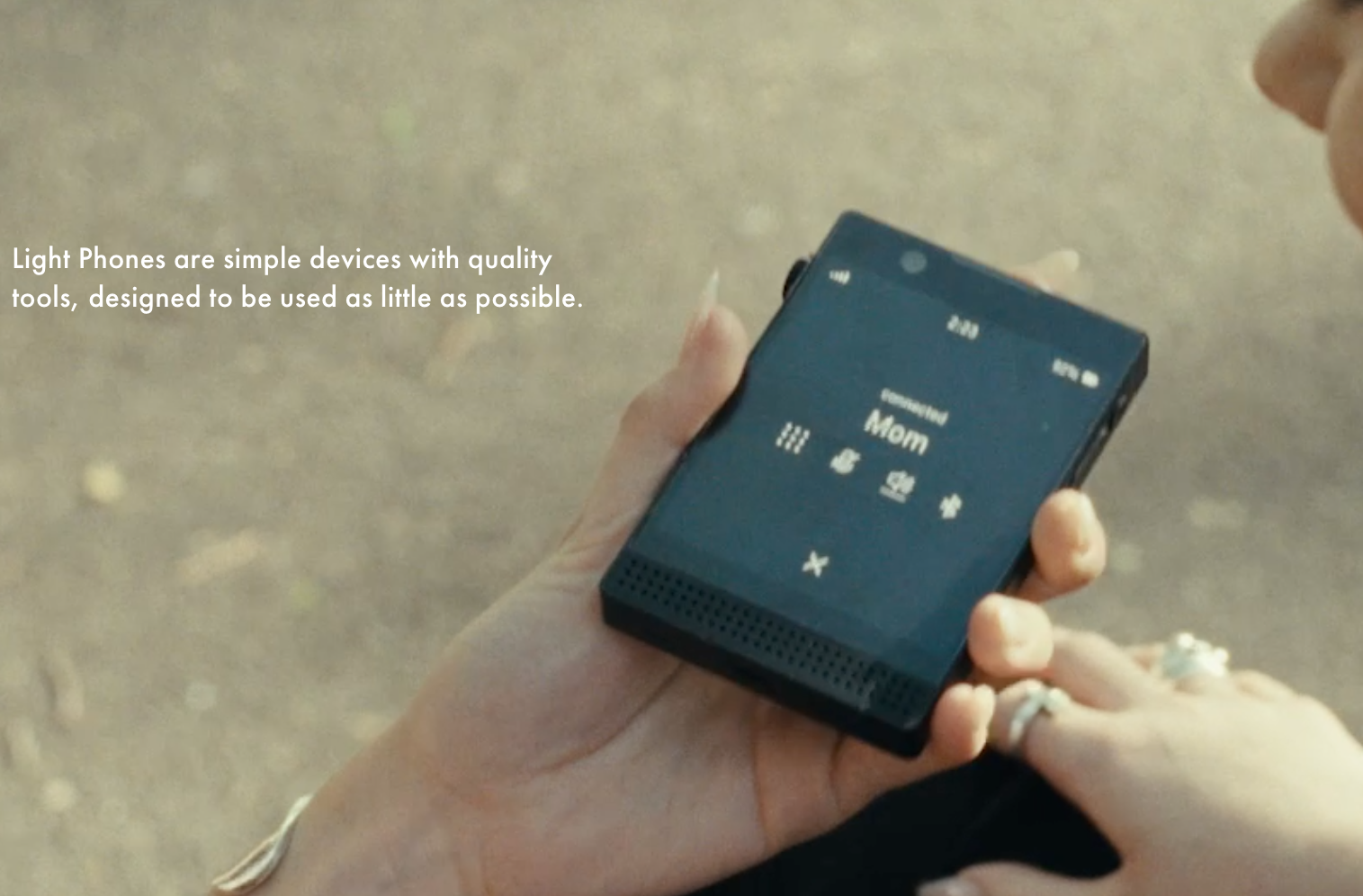
Hardware gets you in. Subscription keeps you there.
Digital detox apps are projected to grow from roughly $400 million in 2024 to several billion by the mid-2030s—a CAGR in the low-to-mid 20s. Digital detox tourism forecasts hit hundreds of billions by 2034.
Apps and retreats are temporary fixes. The wedge product is a physical object that changes the social contract.
Why Physical Phones Work (And Apps Don't)
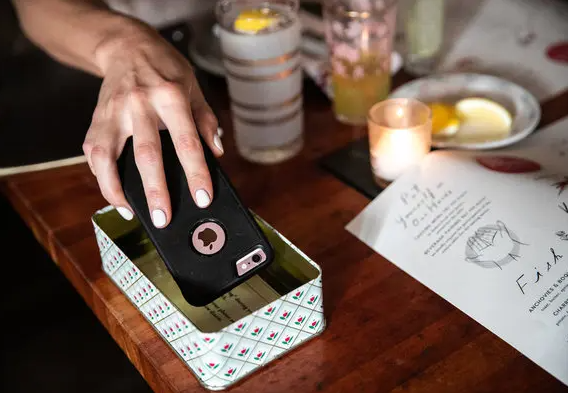
A phone sitting on your table is a social signal. It says "I'm present by choice, not because I forgot my device." An app toggle is a private promise. Private promises break.
Goetze's customers aren't buying nostalgia. They're buying a socially-legible excuse to disconnect without seeming rude.
The Trap (If You Only Sell Hardware)
Launch "another Physical Phone" and you walk straight into the DTC gadget doom loop. Copycats are already flooding in—lookalike retro handsets, "landline comeback" coverage everywhere, more entrants weekly. Differentiation becomes "ours is more beige," Q4 gift spikes followed by Q1 returns, and customer churn because the habit never forms.
A phone is easy to buy. A new default is hard to keep.
The opportunity is one layer up: don't build a hardware brand. Build an offline ritual company—a business that sells boundaries as a lifestyle architecture, then upgrades that into subscriptions, workplaces, and venues.
The Real Play: "Offline Rituals" as a Category
Unlock the Vault.
Join founders who spot opportunities ahead of the crowd. Actionable insights. Zero fluff.
“Intelligent, bold, minus the pretense.”
“Like discovering the cheat codes of the startup world.”
“SH is off-Broadway for founders — weird, sharp, and ahead of the curve.”


