


For years, psychologists kept bumping into the same weird finding: people weren't afraid of being alone. They were afraid of being seen alone.
In one study, adults ranked walking into a restaurant solo as more anxiety-inducing than spending an entire evening home by themselves. Not because anything bad would happen — but because of a phantom audience living rent-free in their heads: "Everyone will think I got stood up."
Plot twist: the observers? They didn't judge solo diners at all. The stigma was imaginary. A ghost story we told ourselves.

This is one of those human quirks we rarely say out loud: we choose inconvenience over misperception. We'll idle in a drive-thru for eighteen minutes rather than walk inside for two. We skip experiences we want because we're afraid of a story nobody's actually telling about us.
But here's the thing: the psychology hasn't changed. The behavior has.
A generation raised on self-care rituals, flexible schedules, and Netflix-as-third-place is quietly bulldozing the old social rules around public solitude.
And the numbers say something big just tipped.
Yelp searches for "solo dining" are up 271%. Nearly half of Millennials and Gen Z now eat out alone weekly. One in four Americans eats every meal alone on any given day.
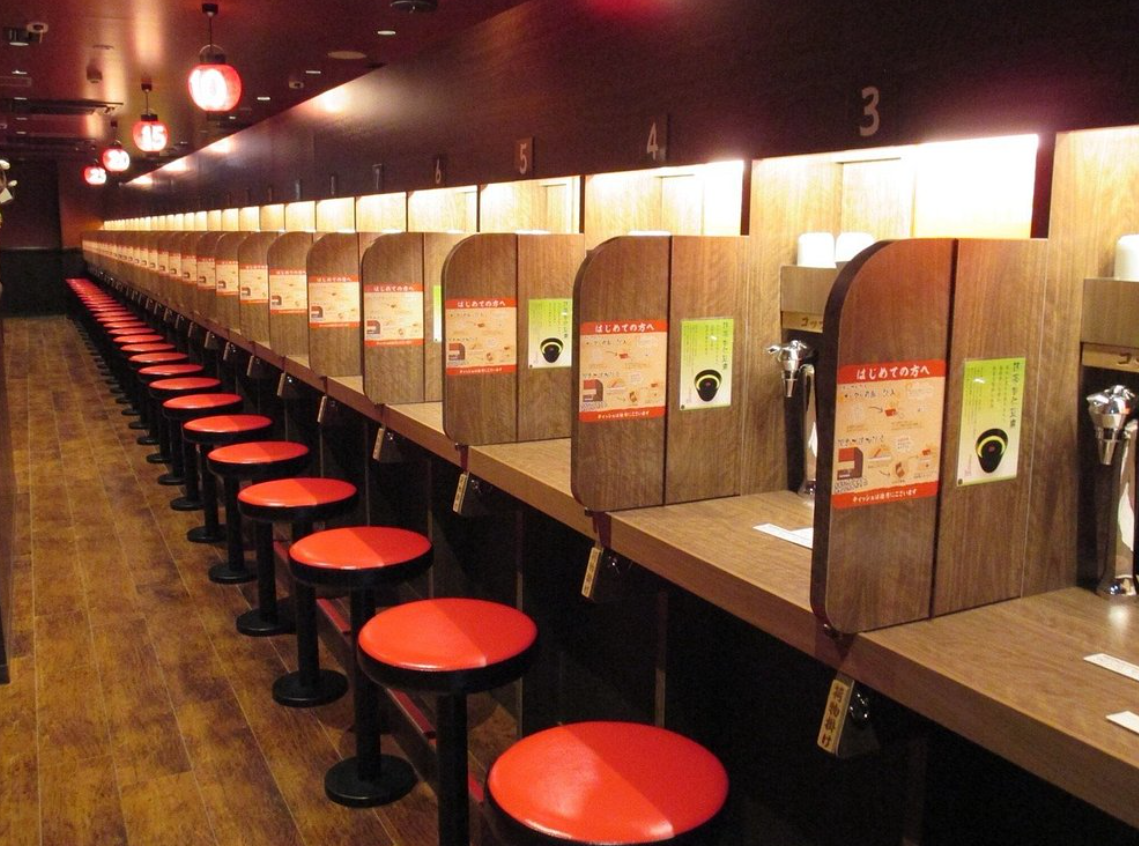
This isn't a trend. It's a tidal shift inside a trillion-dollar industry still architected for date nights, two-tops, and the lingering belief that a table for one means something went wrong.
That's the gap.
Restaurants aren't built for the customer who walks in alone, orders decisively, spends more per head, and never needs managing. There's no infrastructure. No schema. No way to surface the places that actually serve solos well.
The internet sees the solo diner. The physical world pretends they don't exist.
Today's Featured Opportunity is about fixing that — not with another app, but with a scoring system, a certification, and a city-level data layer that becomes the operating system for the solo economy before the incumbents even realize it's here.
Read the full playbook here:
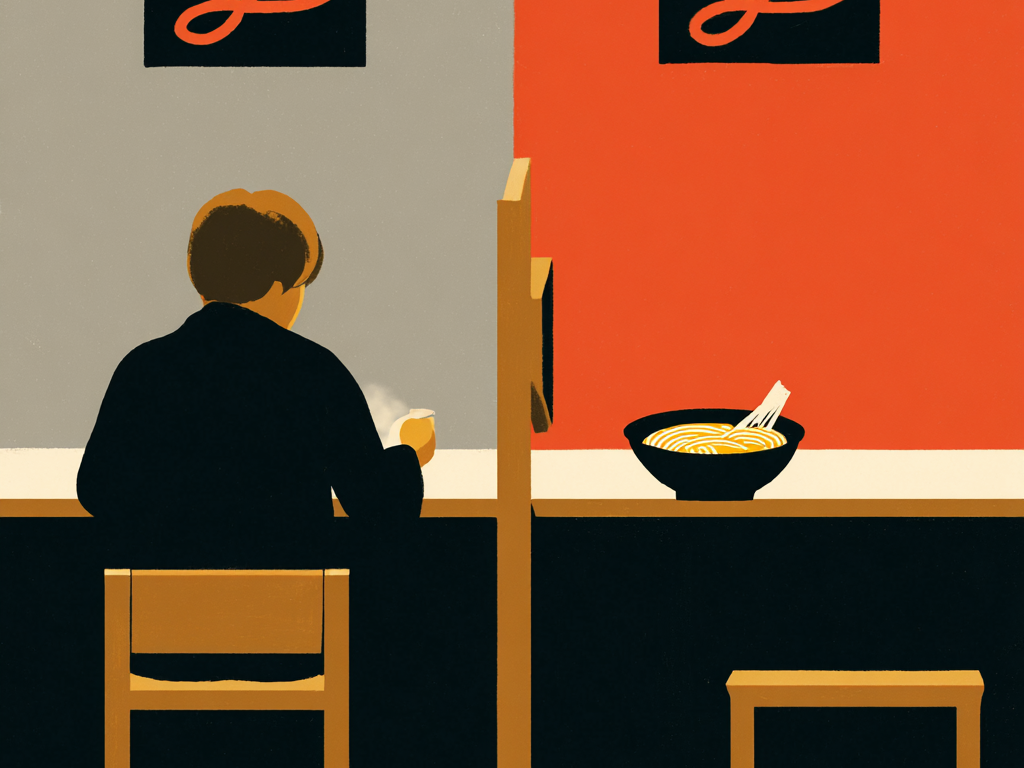
Solo dining searches up 271% on Yelp, reservations spiking 22% on Toast—but no platform owns the discovery layer or certification standard.
From the Vault:
Major labels just signed licensing deals with AI music platforms for the first time. The infrastructure shift creates a specific wedge for operators who understand rights, not just tools.
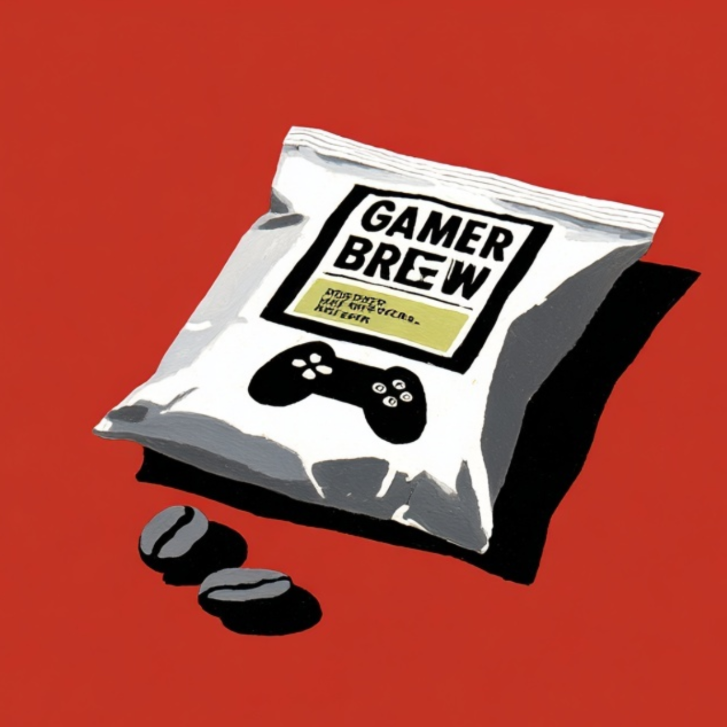
Big Beverage is buying culture, not chemistry. Mushroom coffee incumbents still sell generic benefits—leaving identity-first positioning wide open for micro-tribe operators.


