


January 6th, a travel creator posts a simple flex: Japan, but it looks exactly like Cyberpunk 2077 and Yakuza. Not a big thesis. Not a cinematic doc. Just a few shots that made people's brains short-circuit.
The comments didn't ask, "Where is this?" They asked, "Drop the route." They asked for the exact itinerary.
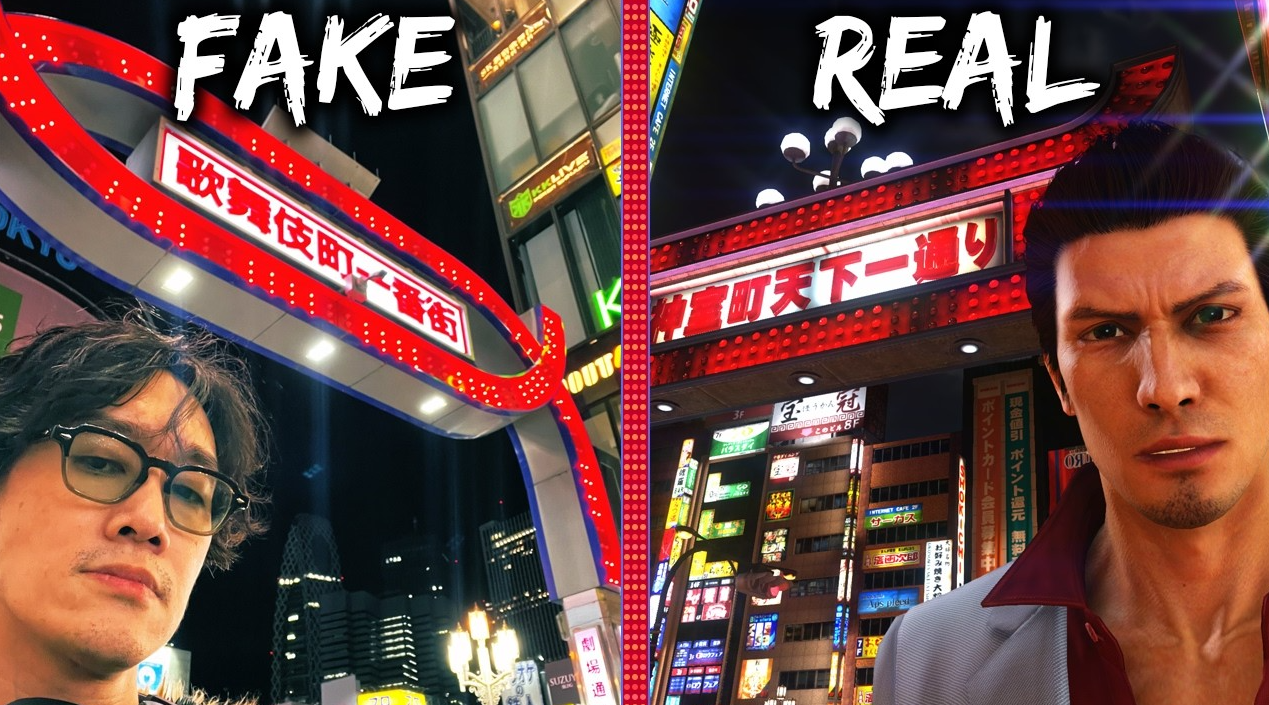
Film tourism pulled $66 billion in 2025 and is projected to hit $145 billion by 2035. Game-inspired travel is already happening—Paris officially promotes Assassin's Creed tours, Tokyo runs Kabukicho nightlife walks that mirror Yakuza's streets, Klook sells gaming/anime tours right now. The gap isn't supply. The gap is that nobody owns the category. The opportunity is a three-tier business: digital route packs at $12-$29, membership at $8/month, and small-group trips at $399-$3,900 per person. You start by packaging what already exists and scale to a marketplace that takes 15-25% on every booking.
The internet has quietly changed what "travel inspiration" even means. People used to read blogs, pick destinations, book trips. Now they see vibes that trigger fandom memories, and what they want are the logistics to make it real.
The highest-intent inspiration isn't a movie scene anymore. It's a map you've lived inside for 200 hours.
Film Tourism Built the Playbook, Games Are Already Next
Film tourism increased tourism to locations by an average of 31%. Expedia's Unpack '25 report found that 66% of travelers say their trips have been influenced by places they've seen in movies or TV.
Game-inspired travel isn't theoretical—it's operational right now:
- Paris tourism officially promotes video game tourism, explicitly citing Assassin's Creed as a driver bringing visitors to historical districts
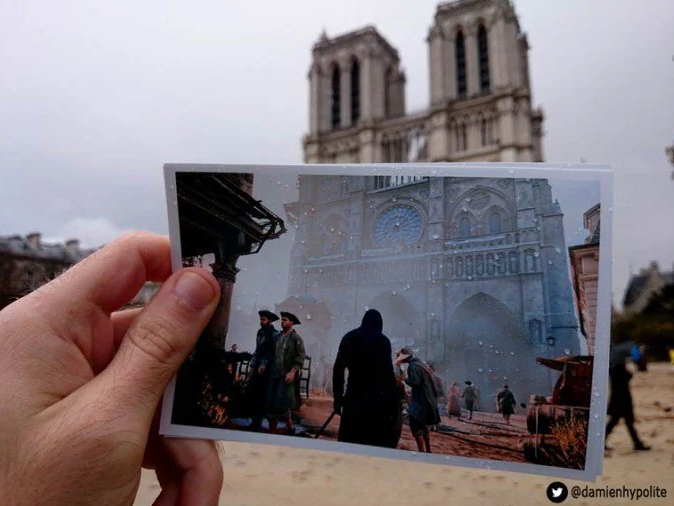
- Tokyo, Kyoto, Venice, and New York are running game-inspired walking tours that mirror in-game locations
- GetYourGuide sells "pop culture" tours in Tokyo covering Kabukicho nightlife and Akihabara gaming districts—the exact geography of Yakuza and cyberpunk aesthetics
- Klook operates "Akihabara games/anime/manga" tours currently
Games are different. They're not just content—they're places. You don't watch them, you inhabit them. You've memorized the layout. You know the shortcuts.
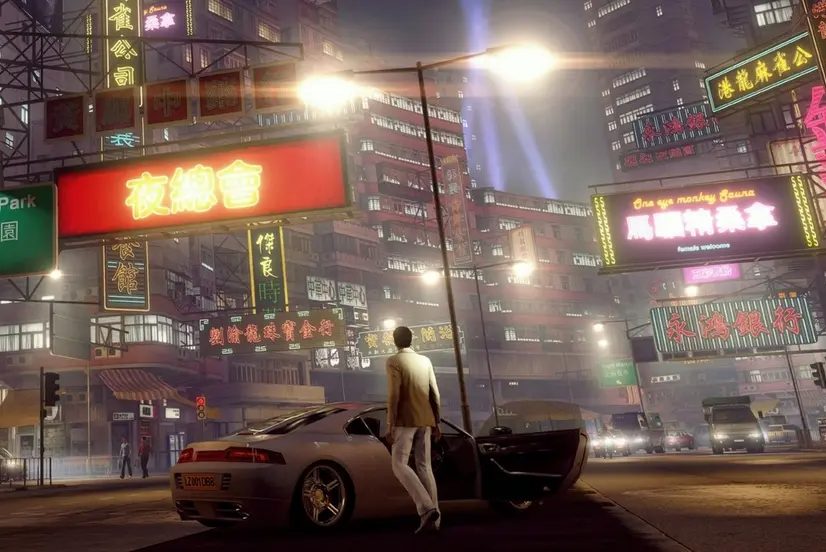
The Yakuza/Like a Dragon series has created what critics call "virtual tourism." Developers at Ryu Ga Gotoku Studio spent years visiting Kabukicho's drinking establishments 2-3 nights per week to capture authentic details. Players abroad now walk those same streets, using the game as their mental map.
One gamer described the experience: "I put my phone away at the parking lot. I knew where I was and it was such a weird feeling." Coverage of gaming tourism emphasizes that fans visit destinations they already "know" from hours of exploration, treating games as quasi-guides to neighborhoods and landmarks.
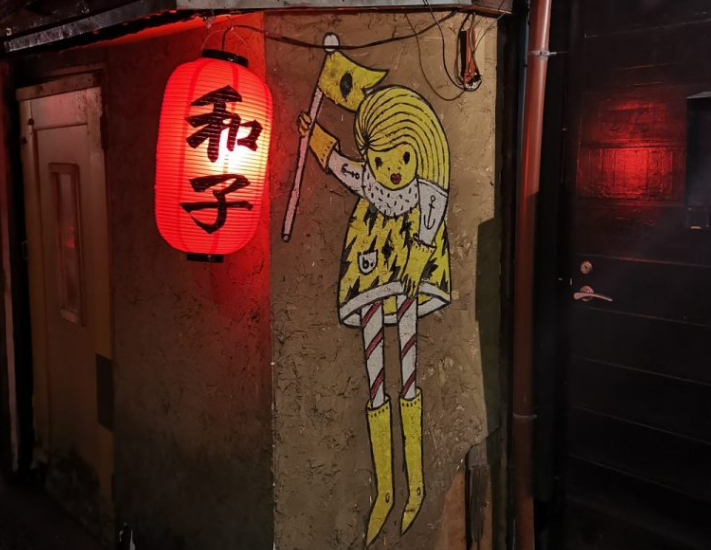
In 2020, a Japanese TV show featured a tourist from Martinique who traveled to Tokyo specifically to experience Kabukicho—the real-world district that inspired Yakuza's Kamurochō. The segment went viral among gamers worldwide.
What Nobody Owns Yet
Demand exists. Supply exists. Tours are running. Nobody owns the mental shelf for game-native travel.
The existing supply is fragmented:
- Generic "pop culture" tours
- Anime/manga experiences that happen to overlap with game aesthetics
- Nightlife walks through neon districts
- Zero structured "this is your in-game questline IRL" with explicit route design, pacing, and game-vs-reality framing
The missing piece isn't tours. It's a brand that's game-native (not anime, not film, not generic nightlife), itinerary-first (structured routes with clear waypoints, not vague recommendations), social-first (built for "game vs reality" content), and bookable (actual logistics, not just inspiration).
Featured Opportunity: "Fandom Logistics" as a Platform
Digital PDFs work as a starting point. "Elden Ring Tour of Scotland." "GTA V Tour of LA." "Yakuza Tokyo Nights." That's a cash business.
The real opportunity is bigger: GetYourGuide for Fictional Worlds.
An IP-agnostic platform that turns game worlds into bookable reality—routes, scenes, comparisons, reservations, guides, and group trips.
Potential offerings:
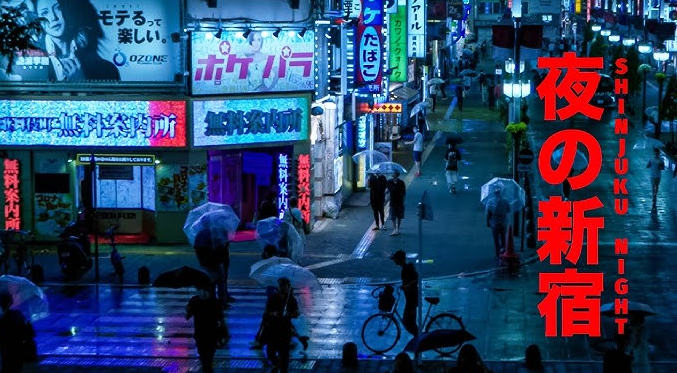
- "Walk Night City" (Tokyo cyberpunk corridors)
- "Live in Kamurocho" (Kabukichō nightlife + landmarks)
- "Elden Weekend" (foggy Scottish cliffs + ruined abbeys + castle stays)
- "Assassin's Creed Paris" (historical routes + photo checkpoints)
You're selling the feeling of stepping into a world you already know.
Why the Market Has Been Trained
New Zealand saw tourist arrivals surge 40% after The Lord of the Rings. Alnwick Castle experienced a 120% increase in visitors after Harry Potter scenes were filmed there.
Games go deeper because they're places you've navigated yourself. You remember where the save point is.
The gap is a brand that owns the game framing and packages the existing supply into a coherent product.
The Play (Where the Money Actually Is)
PDFs aren't the business. They're the bait.
The business is a three-layer stack:
Unlock the Vault.
Join founders who spot opportunities ahead of the crowd. Actionable insights. Zero fluff.
“Intelligent, bold, minus the pretense.”
“Like discovering the cheat codes of the startup world.”
“SH is off-Broadway for founders — weird, sharp, and ahead of the curve.”


