


Think micro-SaaS idea meets creator economy business: one person, AI-assisted workflows, $39–$149/month per subscriber, first revenue inside 60 days. The field of generic outlier tools is crowded. The field of niche-specific pattern interpretation is empty.
The Setup
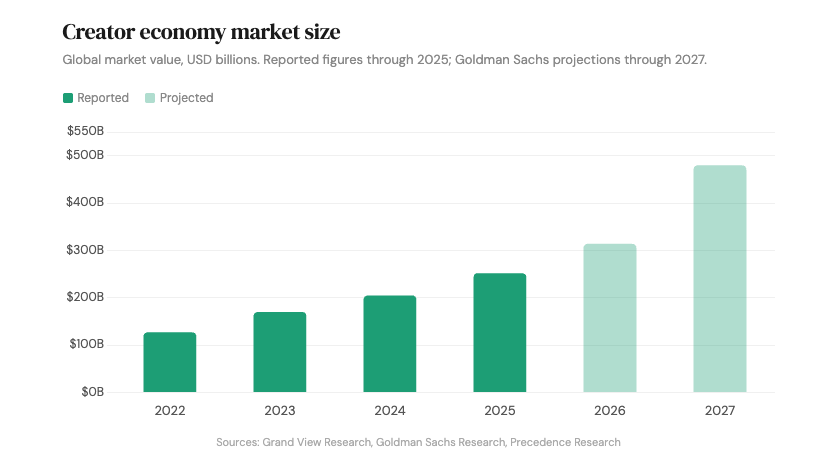
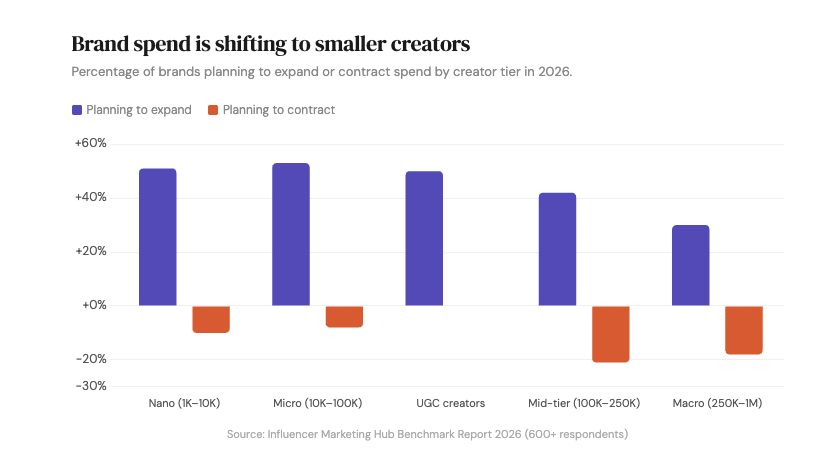
The creator economy is on track to hit $250 billion in 2025. More than 207 million people worldwide identify as content creators. Influencer marketing alone surpassed $32 billion this year, a 35% jump, and micro and nano creators (sub-50K followers) are projected to capture 45.5% of total influencer spend by 2026.
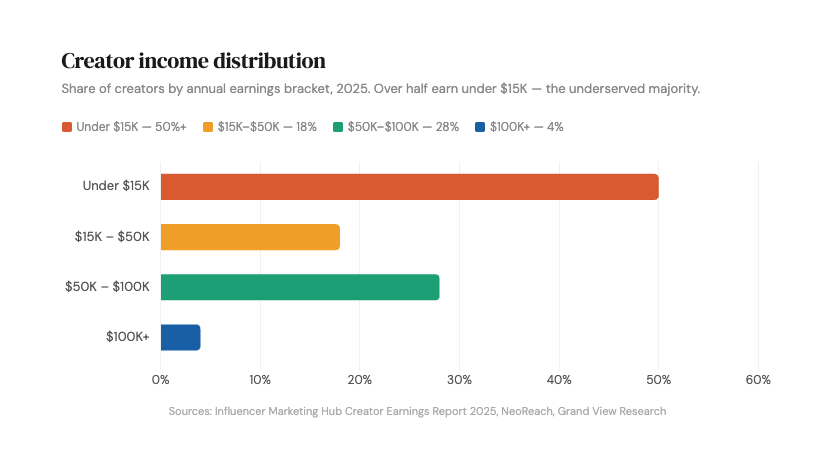
But nearly half of all creators still earn under $10,000 per year. The 2026 Creator Economy Report found that the majority of accounts across Instagram, TikTok, and YouTube sit below 10,000 followers, with the 25–34 age segment dominating all three platforms. These are working creators. No research team. No data analyst. Just one recurring question every week: what should I make next?
That question is now a market — and the existing tools answering it all stop at the same place. They flag what's trending. They score relative performance. Then they leave the creator alone with a spreadsheet.
Priced at $39–$149/month, a solo operator with AI-assisted labeling workflows can reach paying subscribers within 45 days and scale into a defensible research product without hiring a team.
The concept of "outlier detection" — flagging posts that dramatically outperform a creator's own baseline — is already proven. Spotter Studio has analyzed over 50 million YouTube videos through its Outlier Index, which compares a video's views against the channel's six-month rolling average. Virlo tracks 21,000+ creators daily across 46,000 users. 1of10, Shortimize, and OutlierKit each sell some version of the same workflow. Spotter reported a 49% average increase in first-week views for creators using its tools during early beta.

Demand exists. But every tool in this space is horizontal. A real estate agent on Instagram, a DTC beauty founder on TikTok, and a gaming streamer all get the same interface, the same outlier scores, the same generic insights. Virlo's tiers run $49–$199/month. Shortimize's Launch and Scale plans sit at $99–$249/month. OutlierKit starts at $9/month. These budgets are already normalized — and none of these products build the interpretation layer.
A "weekly viral video newsletter" is easy to clone and too dependent on surface-level trends. The stronger version is a research product with workflow output: the 12 pattern families producing abnormal lift in one commercial niche, the evidence behind them, and deployment playbooks segmented by creator size, content format, and business goal.
Where the Moat Actually Lives
Two ideas underpin this play, and both cut against default thinking.
The moat is clean, labeled, longitudinal niche data plus deployment-grade interpretation. Generic outlier scanning is becoming a feature. What remains scarce is a structured taxonomy built on top of that data within a single vertical: hook types, visual motifs, claim structures, CTA formats, audience intent categories, and commercial outcome mapping. A 7,000-follower mortgage broker who suddenly does 180,000 views is a far more valuable signal for another mortgage broker than a household-name creator posting a generic dance trend. The defensible asset is the schema, not the scanner.



Relative performance beats absolute virality. Spotter Studio's Outlier Index compares each video's views to the channel's own rolling average rather than YouTube at large. Virlo frames outliers the same way: views relative to follower count. Copying a 20-million-view celebrity clip is almost always useless for a 5,000-follower account. The correct product finds the most abnormal winners among accounts that look like yours. That reframing reshapes the entire product surface.
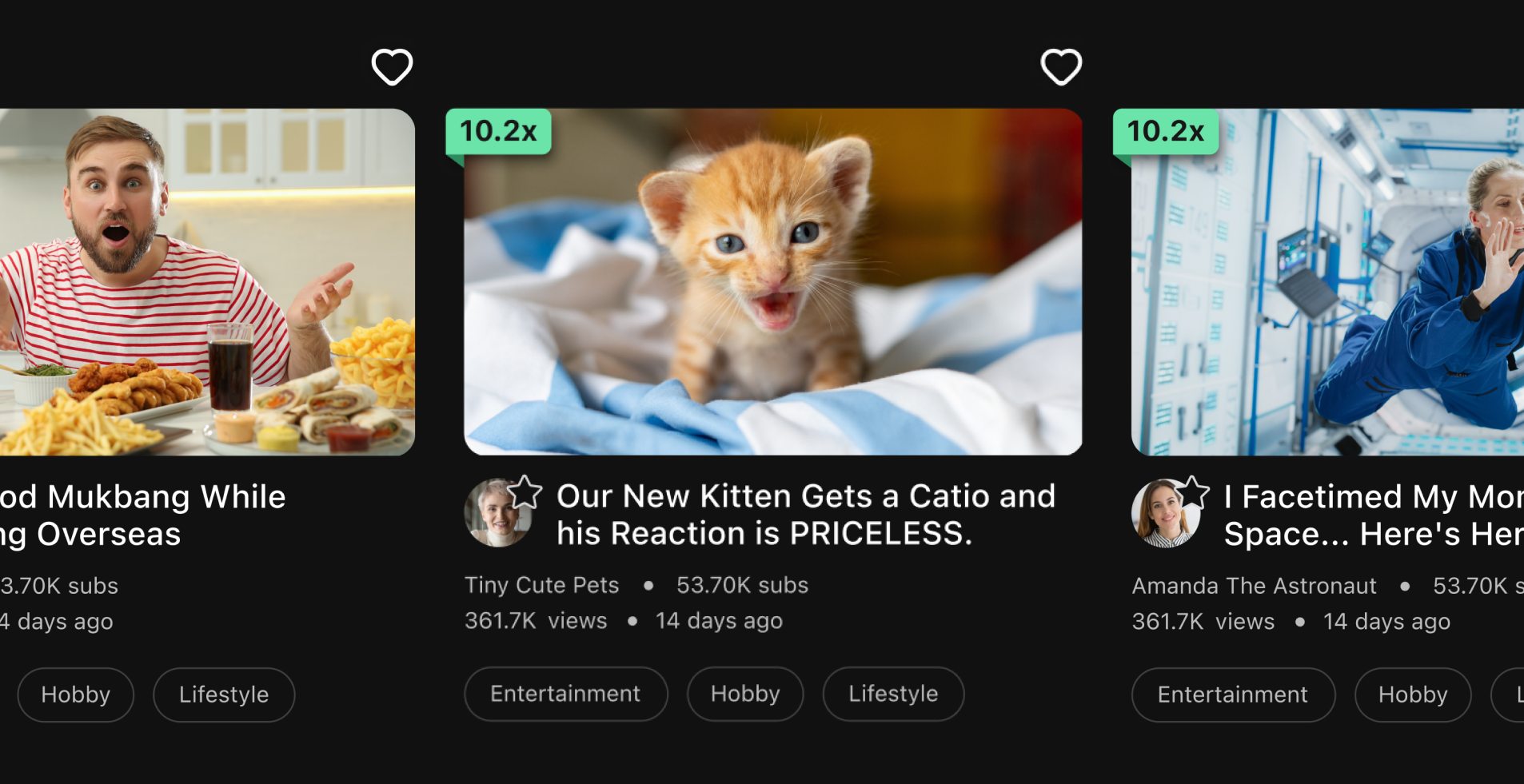
Existing tools already encourage users to "analyze and save top performing videos" and hunt for patterns in themes, titles, and thumbnails — but they leave that labor entirely to the creator. Your product internalizes it.
Go Vertical, Commercial, and Operational
Don't start with "creators" as a category. Start with one segment where content maps cleanly to revenue.
Strong verticals: real estate agents, DTC beauty founders, B2B founders selling services on LinkedIn, financial advisors, med spas, local attorneys, high-ticket coaches, fitness professionals. These operators don't need abstract inspiration. They need hooks, topic clusters, proof formats, and calls-to-action that translate directly into booked calls, leads, and pipeline. LinkedIn's own B2B marketing data shows video is already a core funnel format across awareness, trust, and conversion — and that adoption keeps climbing.
What you're building is a niche research desk.
Say you choose real estate agents on Instagram Reels and TikTok. You monitor 50–100 active agent accounts across different markets. You track their posting cadence, view counts, and engagement against their own baselines. When a video from a 3,000-follower agent in Tampa suddenly pulls 120,000 views — a 40x outlier — you flag it. Then you do what no horizontal tool does: you label why it worked. Was it a "myth-busting" hook? A neighborhood walkthrough with a specific visual rhythm? A market-data callout with a contrarian take? A before/after renovation with a pricing reveal? You tag the hook type, the structure, the CTA, the visual format, and the audience intent — entertainment, education, trust-building, direct lead capture. You do this every week. Over three months, you have a labeled library of 200+ tagged outlier patterns in real estate content. Something no existing tool offers.
That labeled library is the product and the moat in a single asset.
Two Ways to Run This
As a fast heist, it works as a paid research newsletter with a gated swipe-file archive. You manually curate outliers in one niche, explain them better than anyone else, charge $39–$149/month, and build a compact, high-margin intelligence product. One person with AI assistance. First revenue inside 60 days.
As a long-game platform, it evolves into a niche terminal: searchable pattern library, weekly "new anomalies" digest, account benchmarking, prompt templates, script generation, competitive watchlists, and eventually user-submitted performance feedback. The fast-heist version gets to cash quickly. The long-game version compounds into a real asset because every week improves the taxonomy, the archive, and the recommendation engine.
Pricing
Pricing should reflect commercial proximity. Hobby creators and general lifestyle niches churn. Revenue-adjacent categories sustain higher prices because one good idea can pay for the subscription many times over.
| Tier | Monthly Price | Target User | What They Get |
|---|---|---|---|
| Starter | $39/mo | Solo creators Low-monetization niches |
Weekly outlier brief Searchable pattern archive 10 swipeable hooks |
| Pro | $79/mo | Service businesses Solo consultants |
Everything in Starter, plus: Script skeletons CTA templates Niche benchmarking |
| Team | $149/mo | Agency teams Brokerages Multi-seat operators |
Everything in Pro, plus: Custom watchlists Competitor tracking Monthly trend report |
| Enterprise | $499–$1,500/mo | White-glove accounts | Custom analyst calls Internal reports Bespoke pattern research |
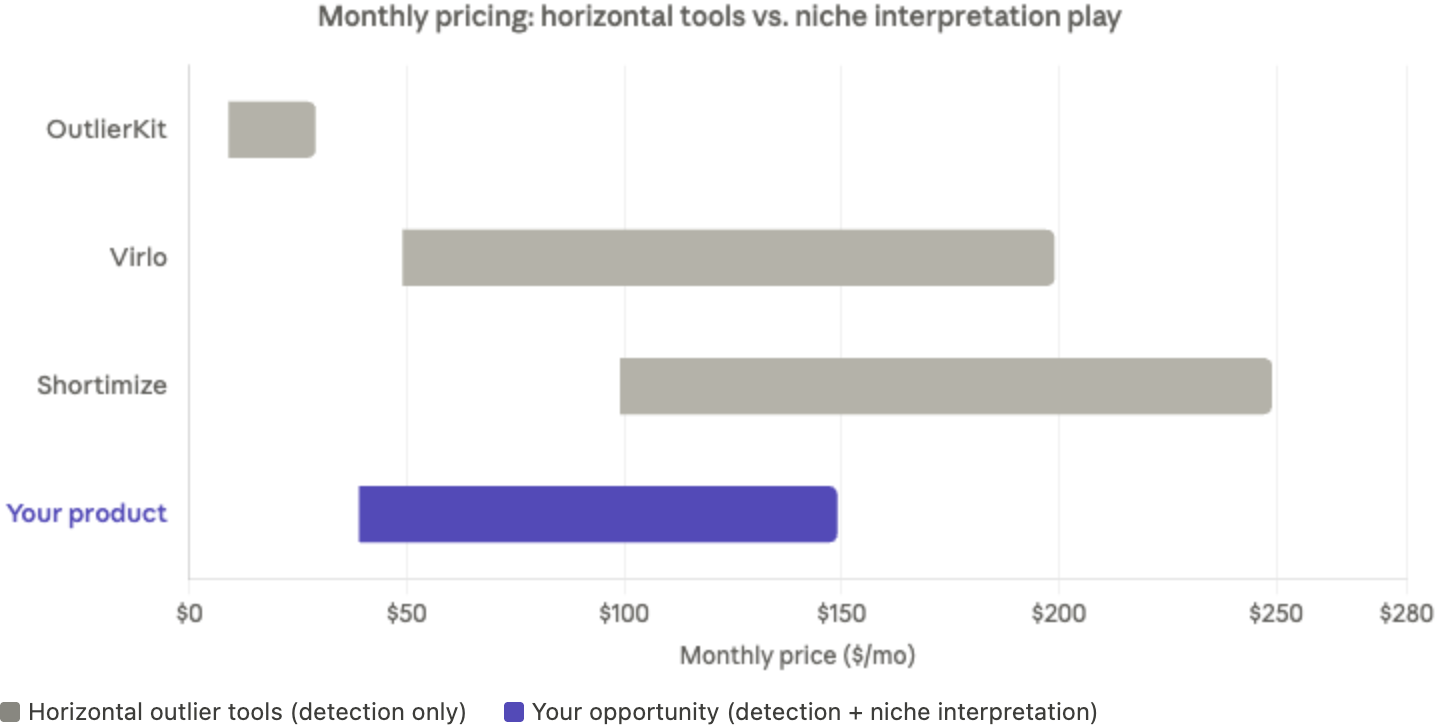
The market has already validated these price points. Shortimize charges $249/month for team-tier plans. Virlo's Pro runs up to $199/month. Analytics-plus-workflow budgets exist once the product is tied to execution, and because service businesses already attribute revenue to content, you're aligned with proven spend rather than vanity tooling.
The MVP Is Smaller Than You Think
You don't need a full dashboard on day one. Four components get you to revenue:

Unlock the Vault.
Join founders who spot opportunities ahead of the crowd. Actionable insights. Zero fluff.
“Intelligent, bold, minus the pretense.”
“Like discovering the cheat codes of the startup world.”
“SH is off-Broadway for founders — weird, sharp, and ahead of the curve.”


