


A century ago, train operators got a simple safety upgrade: if they stopped responding, the train automatically braked. The dead man's switch.
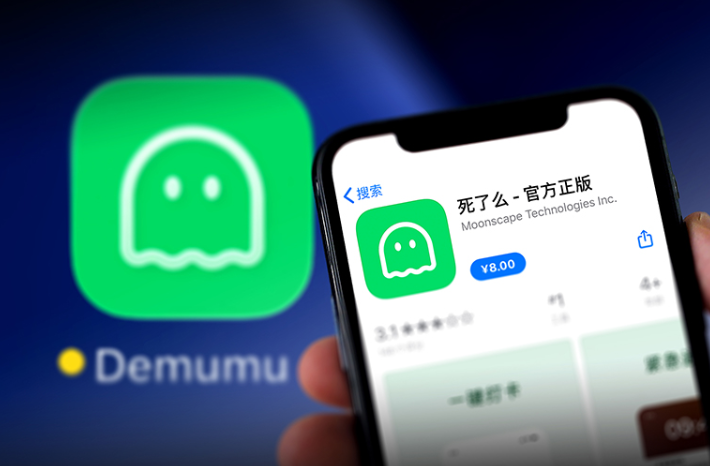
In January 2026, that concept went viral in China with an app called Demumu — but locals nicknamed it what it really is: "Are You Dead?"
For $1.15, users tap a button daily to confirm they're alive. Miss two check-ins and your emergency contact gets notified. Simple, blunt, effective. It shot to #1 on China's paid App Store charts within days and is now climbing U.S. utility rankings.
Here's what most founders will miss: This isn't just a viral curiosity. It's proof that millions of people will pay for proof-of-life infrastructure — and the U.S. opportunity is sitting wide open. The Personal Emergency Response System market is $9-10 billion globally, growing 6-7% annually, but it's trapped in eldercare positioning. A handful of check-in apps exist (like Snug Safety for seniors), but nobody owns the 25-65 demographic. The gap between "medical alert pendant for grandma" and "modern living-alone infrastructure" is massive — and whoever executes fastest will own a category.
This is about positioning, trust, and brand. The mechanics are proven. The question is who builds the version that doesn't feel like a medical device.
The Signal Everyone's Ignoring
By 2030, China will have 200 million one-person households. But America's already there: 39.7 million single-person households, accounting for 29% of all U.S. households in 2025. That's up from 20% in 1975. Nearly one in three American homes is a solo dweller. In cities like San Francisco, Seattle, and Manhattan, that number pushes 40-50%.
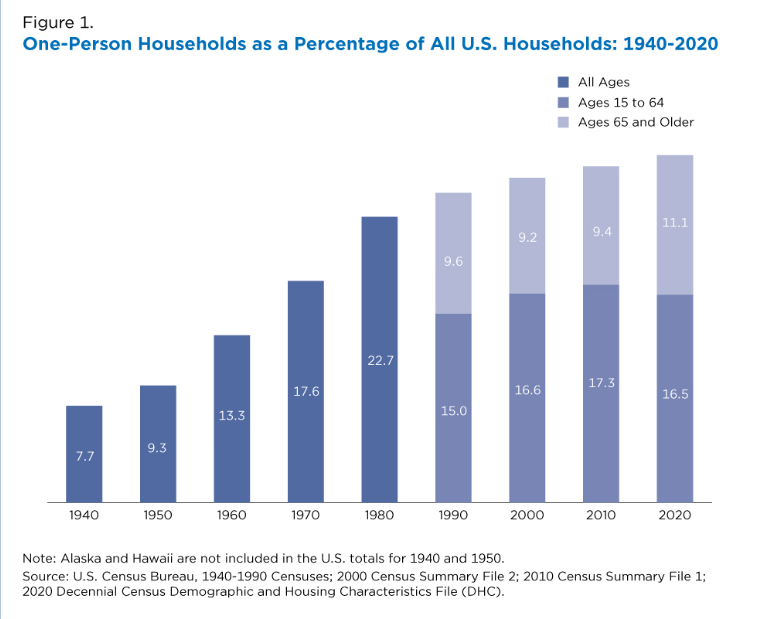
NYU sociologist Eric Klinenberg called it "the biggest demographic change in the last century that we failed to recognize and take seriously."
Young Chinese workers using Demumu said the scariest part isn't loneliness — it's disappearing unnoticed. The app addresses a void in modern life that most founders haven't capitalized on yet.
This is structural change. And it's permanent.
The Gap Nobody Owns
Existing safety products miss the mark in three critical ways.
First: They're framed as medical devices, not lifestyle infrastructure.
The PERS market is huge — $9-10 billion globally and growing 6-7% annually toward $13-15 billion by 2030. But walk into that market and you'll find pendants, wearables, and fall-detection necklaces that scream "I'm elderly and vulnerable."
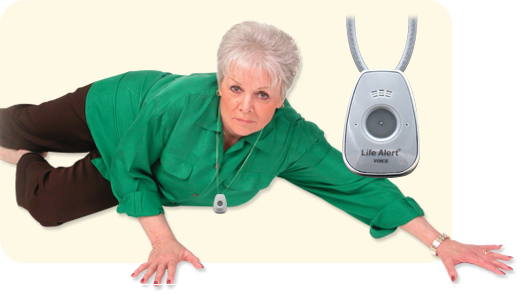
Life Alert. Medical Guardian. Bay Alarm Medical. These products work beautifully for their target demo (seniors 70+), but they carry baggage. They feel clinical. Most 30-year-olds living alone in Brooklyn aren't putting on a medical alert pendant.
Even Snug Safety — the closest thing to a modern check-in app — markets itself primarily to seniors and caregivers. It works (daily green-button check-in, optional dispatch for $19.99/month, AARP-featured), but the entire brand, design, and messaging lean eldercare. That positioning is a feature, not a bug — they're serving their market well. But it leaves 40 million younger solo-living households completely unaddressed.
Second: They're built for acute emergencies, not ambient safety.
Panic buttons work when you're actively in danger right now. Fall detection triggers when sensors detect impact. These are reactive, crisis-mode tools.
The actual anxiety driving solo living isn't "what if I fall." It's "what if something happens and nobody notices for three days." That's a different problem. It requires different positioning.
Third: They ignore the social graph that actually matters.
Medical alert systems route to call centers and EMTs. Important for true emergencies. But for most people living alone, the real safety net is smaller and more personal: the 3-8 people who would actually show up if you went silent.
Your best friend. Your sibling. The neighbor with your spare key. Your responsible coworker who knows your rhythms. That's your real circle. Current products don't build around that trust network as the primary interface.
The Real Opportunity: Own the 25-65 Demographic
Demumu proved demand exists globally. Snug proved Americans will pay for check-in apps and dispatch services. But nobody owns "proof-of-life for adults who live alone by choice."
The play isn't discovery. It's execution: build the culturally native version for independent adults that doesn't feel medical.
Ring repositioned home security. ADT had the market locked. But Ring made security modern — Wi-Fi doorbells, smartphone alerts, neighbor networks. They made it feel like smart home tech instead of burglar alarms.
Same opportunity here. Personal emergency response exists. Nobody's built the version that 30-year-olds actually want to use.
What You're Actually Building: SoloSignal
The wedge is dead simple: a daily tap that says "I'm alive." Then weave your moats like a spiderweb around the simple premise:
Unlock the Vault.
Join founders who spot opportunities ahead of the crowd. Actionable insights. Zero fluff.
“Intelligent, bold, minus the pretense.”
“Like discovering the cheat codes of the startup world.”
“SH is off-Broadway for founders — weird, sharp, and ahead of the curve.”


