


On March 1, LEGO will ship the SMART Brick — a standard 2×4 LEGO brick with sensors, wireless networking, speakers, and wireless charging. The educational toy market is $55B-$90B annually and growing 8-12%. Roblox paid creators $1 billion in 2025.
Your target:
Schools pay $1,500-$6,000/year for turnkey solutions that reduce classroom friction.
Clinics pay $2,000-$10,000/year for engagement protocols that work.
You're building the layer between LEGO's compute and the adults solving real problems with it.
LEGO calls this "interactive play" and led with Star Wars sets, but what they actually deployed is compute into millions of homes wrapped in a form factor kids already trust. BrickNet — their wireless protocol — allows bricks to coordinate without screens or apps. When toy companies call something a "platform" that will "expand with updates, launches, and new technology over time," they're signaling infrastructure plays beyond product cycles.
The opportunity sits in what LEGO won't build fast enough: the creator economy for screen-free interactive play. Not "mission packs." The layer between hardware and the people who need it — parents turning chaos into structure, teachers packaging standards as games, therapists wrapping protocols in play.
The architectural shift most people missed
LEGO SMART Play isn't "LEGO with electronics." It's a distributed system for physical games running in homes at scale.
The stack: SMART Brick (custom ASIC with accelerometers, light/sound sensors, onboard synthesizer, wireless charging, 45 minutes of runtime), SMART Tags (flat tiles with unique digital IDs that trigger specific behaviors — engine sounds, lightsaber hums, environment audio), SMART Minifigures (the brick recognizes who's "in" the scene and plays character-appropriate responses), and BrickNet (Bluetooth-based protocol allowing multiple SMART Bricks to sense distance, direction, and orientation between each other).

The system runs offline. No app. No hub. No account. The intelligence lives in the brick.
LEGO spent a decade building this — 20+ patented innovations, custom silicon, synthetic soundscapes that make infinite sounds from finite samples. They launched with Star Wars deliberately: it's a branded on-ramp to teach the "grammar" of interactive bricks before broadening the platform. Kids already know how to use starships in battle, so they don't need to learn Star Wars and learn how SMART Play works simultaneously. The IP carries the cognitive load.
LEGO built a runtime for context-aware physical experiences. Platforms create second-order businesses: tools, content, marketplaces, training. The platform owner focuses on flagship experiences (Star Wars, Harry Potter, Marvel). The ecosystem fills everything else.
Roblox UGC economics, but for missions your kid can touch
Roblox didn't win because it had the best games. It won because it built a sandbox, authoring tools, distribution, and creator incentives.
In 2025, Roblox creators earned over $1 billion globally — a 31% YoY increase. The top 1,000 developers averaged $1.1 million each. The top 10 cleared $33.9 million apiece. That's not game revenue. That's platform leverage.
SMART Play is the sandbox. You build the rest.
Your creators aren't 8-year-olds. Your creators are parents turning bedtime routines into quests (brush teeth, put on pajamas, tidy room → mission complete), teachers packaging state standards as interactive sequences (math fluency, reading transitions, classroom management), and OTs and therapists wrapping compliance protocols in repeatable games (sensory circuits, speech prompts, fine motor routines).
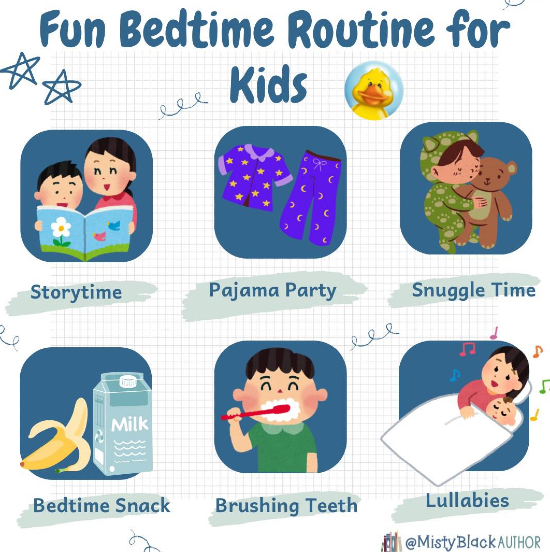
Kids are the players. Adults are the developers.
That changes the economics. Parents pay for anything that reliably reduces household chaos. Schools pay for packaged outcomes aligned to standards. Clinics pay for protocols that save time and improve patient engagement.
You're not competing with "another LEGO set." You're competing with the feeling of being a competent adult.
Why now (market timing + willingness to pay)
Educational play is a $55B-$90B market growing 8-12% annually. Grand View Research pegs the global market at $54B in 2023, projecting $118.8B by 2030 at a 12% CAGR. The category is fragmenting toward specialized niches: STEM toys grew 25% YoY, screen-free coding toys are gaining traction, and sensory-friendly toys are receiving government funding (Australia allocated AUD 2.3M to Toy Libraries in 2024 for sensory programs).
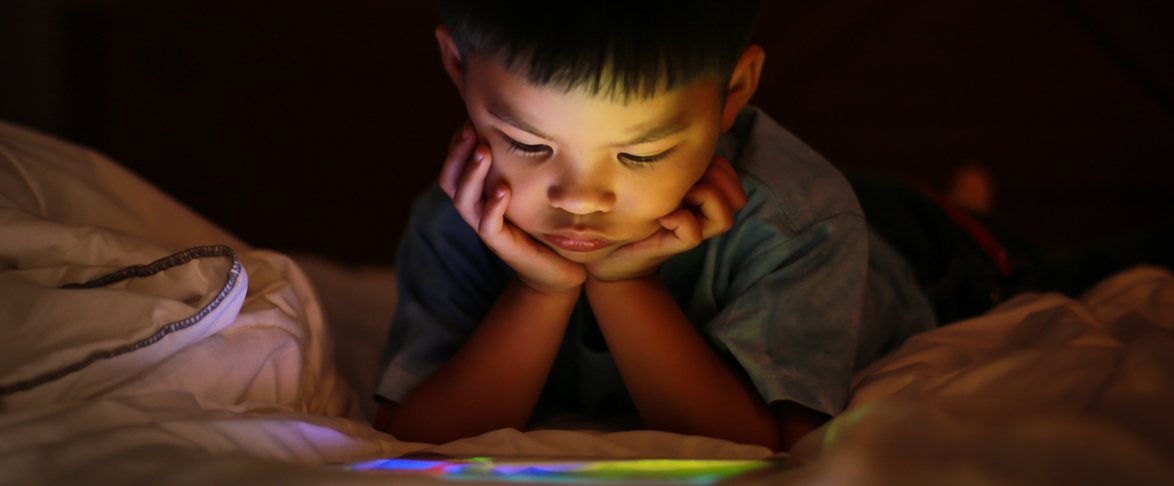
Medical authorities are pushing back hard on screen time. French medical professionals recommend zero screen exposure for children under 6. UK school coalitions urge parents to curtail screen time citing developmental delays. U.S. CDC early care standards recommend almost no screen time for children under 2. Ofcom reported in 2024 that 59% of children aged 8-11 in the UK own a smartphone. Parents and educators are actively seeking alternatives.
LEGO positioned SMART Play explicitly as "screen-free advanced play" — hitting the zeitgeist perfectly.
Where the moat is (and where it isn't)
Not a moat:
- "We sell mission packs" → LEGO can do that
- "We have Star Wars stories" → You don't want Disney as a cofounder
- "We have the best setup instructions" → Easily copied
Four real moats you can own:

Unlock the Vault.
Join founders who spot opportunities ahead of the crowd. Actionable insights. Zero fluff.
“Intelligent, bold, minus the pretense.”
“Like discovering the cheat codes of the startup world.”
“SH is off-Broadway for founders — weird, sharp, and ahead of the curve.”


