


It's 9pm.
Your kid walks in like a tiny VC with a "can't-miss deal."
They don't say what it is. They say who said it's good.
A creator. A haul. A "dupe." A comment section that sounds like insider trading. And now you're on your phone, doing the modern parent ritual:
- Translate the trend
- Check whether it's safe / real / overpriced
- Decide whether you're buying it… or buying a fight
That's the new family supply chain: discovery happens in kid-land (TikTok/YouTube), conversion happens in parent-land (cards, accounts, shipping addresses). Vogue literally frames it as a "remote-control economy," where kids steer the cart and parents press "Place Order."
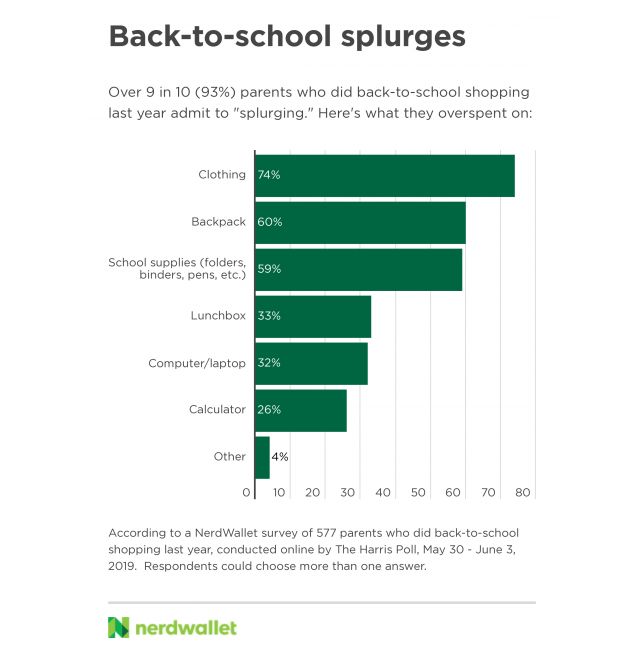
The numbers aren't a cute anecdote. Gen Alpha—kids aged 8 to 14—drives $101 billion in direct annual spending and influences 42% of household spending decisions, totaling nearly $1 trillion in influenced purchases globally. The average Gen Alpha child has $67 per week to deploy. That's $3,484 per year, up nearly 50% from 2024. And 91% of them are earning this money through chores, side hustles, or online reselling.
Build "Kid-to-Parent Checkout"—the translation layer between chaotic kid discovery and adult wallets. Wishlists from creator content → a parent purchase queue with context, alternatives, and guardrails.
Why this wave is real (and why it's weirdly underbuilt)
1) Platforms are telling you the truth: "Kids can drive attention, but not checkout"
TikTok Shop's own documentation is explicit about age gating in its commerce ecosystem. Creator eligibility and monetization features require being 18+. Want to sell products, earn from the Creator Fund, or use TikTok Shop? You need to verify adult age. The platform learned this lesson the expensive way: after multiple COPPA violations totaling over $150 million in settlements, TikTok now enforces strict age verification.
And when TikTok Shop "leaked" to under-18 users via a technical glitch in 2024, it became a news item—because everyone understands the liability surface area when commerce + minors gets messy.

Meanwhile, regulators exist, and COPPA is the evergreen boogeyman. The FTC just updated the Children's Online Privacy Protection Rule in January 2025, increasing civil penalties to $53,088 per violation. Collecting personal info from kids under 13 triggers specific obligations: notice, verifiable parental consent, and strict data usage limits. Recent enforcement actions have extracted over $400 million from platforms:
- TikTok/Musical.ly: $150M+ across multiple settlements
- YouTube/Google: $170 million
- Epic Games: $275 million
- Amazon (Alexa): undisclosed settlement
There's demand. The pipes are constrained.
2) The closest proof case already shows the conversion lift
Abercrombie/Hollister rolled out Share2Pay in 2022: shoppers can build a cart and share it with someone else to complete the purchase. Through internal research, Hollister found that teen shopping bags often sat idle until the shopper was in the same physical space as the payer—usually a parent or grandparent.
The solution: teens add items to cart, select "Share2Pay," send a text link to the purchaser. The parent clicks, reviews items in their own app, can edit for size/color or remove items, then checks out.
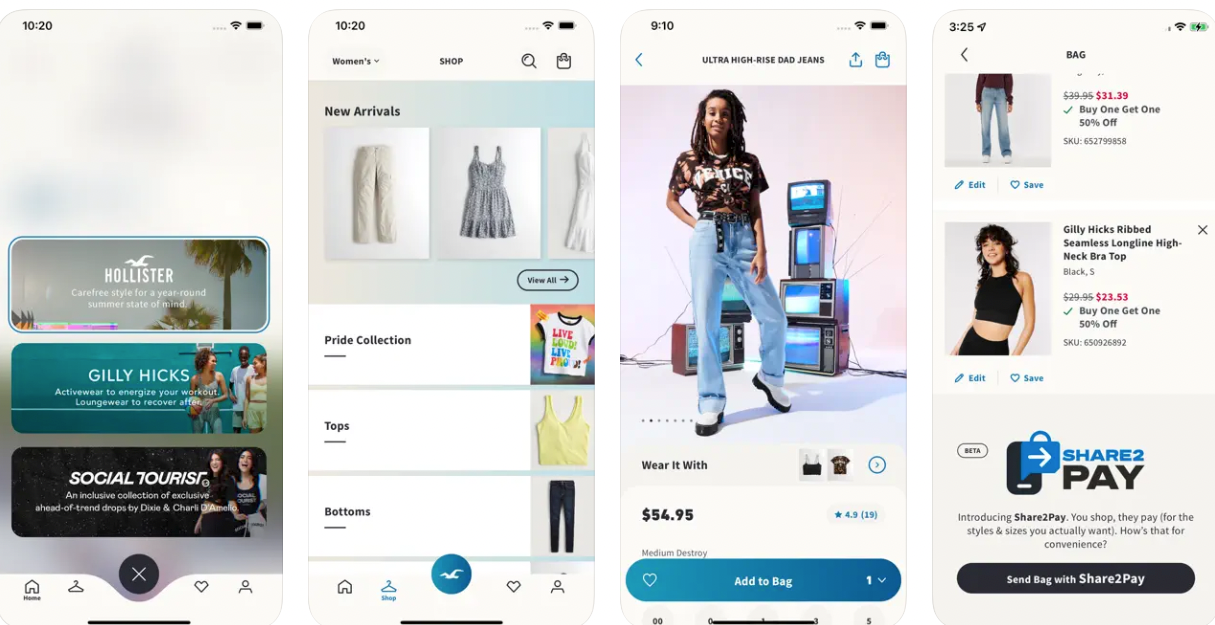
The results: Hollister reported nearly 2× mobile order conversion on shared carts.
Hollister built this for one merchant, with one app, targeting only teens. It's now patent-pending technology. The behavior is universal—42% of all household spending is influenced by Gen Alpha kids. Parents discover 95% of new brands through their children. 64% are more likely to buy specific brands because their Gen Alpha child asked for them. 40% now buy ultra-luxury brands due to kid influence.
Imagine Share2Pay, but native to the actual behavior (kids discover in video, parents decide with constraints), and merchant-agnostic.
3) Existing "family" controls are gates, not guides
Apple's "Ask to Buy" and Google's family purchase approvals can require parent approval for certain app purchases. They don't solve the real job: turn a trend into a decision.
What parents actually need when their kid shares a TikTok product:
- What it is (beyond the hype)
- Why it's trending (social proof vs. MLM scam)
- Price + alternatives (is there a better version?)
- Safety check (age-appropriate? legitimate brand?)
- Budget context (how much has this kid asked for this month?)
Current tools offer binary approve/deny with zero context. That missing layer is the product.
The Heist (Wedge→Moat→Endgame)
Build Kid-to-Parent Checkout: capture kid intent at discovery, convert it into a parent-friendly decision card, and route the purchase to the best merchant—while keeping the "parent-of-record" model clean for compliance and trust.
It's a family commerce rail.
The wedge (fast heist)
Ship something small that parents actually install and use:
Unlock the Vault.
Join founders who spot opportunities ahead of the crowd. Actionable insights. Zero fluff.
“Intelligent, bold, minus the pretense.”
“Like discovering the cheat codes of the startup world.”
“SH is off-Broadway for founders — weird, sharp, and ahead of the curve.”


