


Forty percent of 18-to-24-year-olds skip Google entirely when they want to find lunch. They open TikTok. They scroll Instagram. The stat came from Google's own senior VP, Prabhakar Raghavan, at Fortune's Brainstorm Tech conference back in 2022—and the company has been scrambling ever since.
Now DoorDash has made its move.
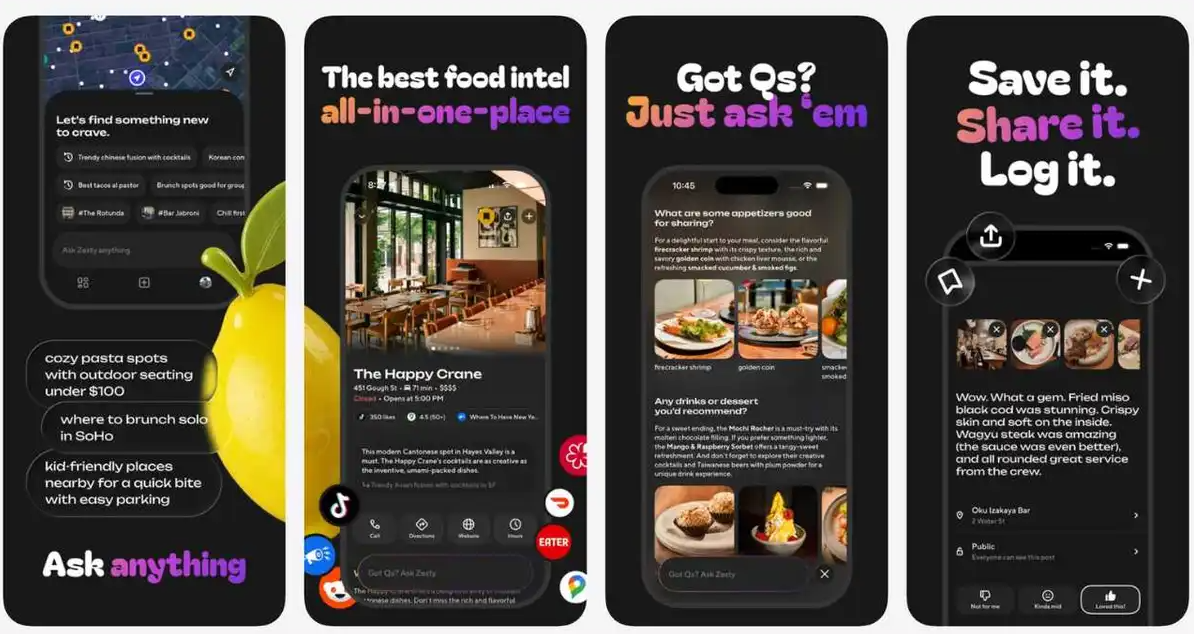
On December 16, 2025, DoorDash co-founder Andy Fang posted a quiet announcement: the company was testing Zesty, a standalone AI-powered app for restaurant discovery—no delivery, just "where should I eat?" The app is live in NYC and San Francisco. It blends an AI concierge with social signals, letting users type prompts like "low-key dinner in Williamsburg good for introverts" and get curated answers.
DoorDash isn't trying to out-Yelp Yelp. They're grabbing the upstream layer—the moment someone decides where to go, before they ever decide what to order. That decision point is where all the value lives. And the model already works: tiny startup Beli built a $12M business with 60 million restaurant ratings by targeting taste graphs instead of social graphs. Letterboxd did the same for films and sold for $50-60 million. Vivino scaled to 60 million wine drinkers and raised $212 million. The wedge is real, the revenue is proven, and DoorDash just validated the behavior shift for you.
The shift already happened
Discovery now flows through vibes. Users don't search "best Italian restaurant near me." They watch someone cook pasta in a candlelit kitchen in Brooklyn and think, "I want that feeling." The emotion comes first. The decision follows. TikTok wins because it delivers outcomes, not links.
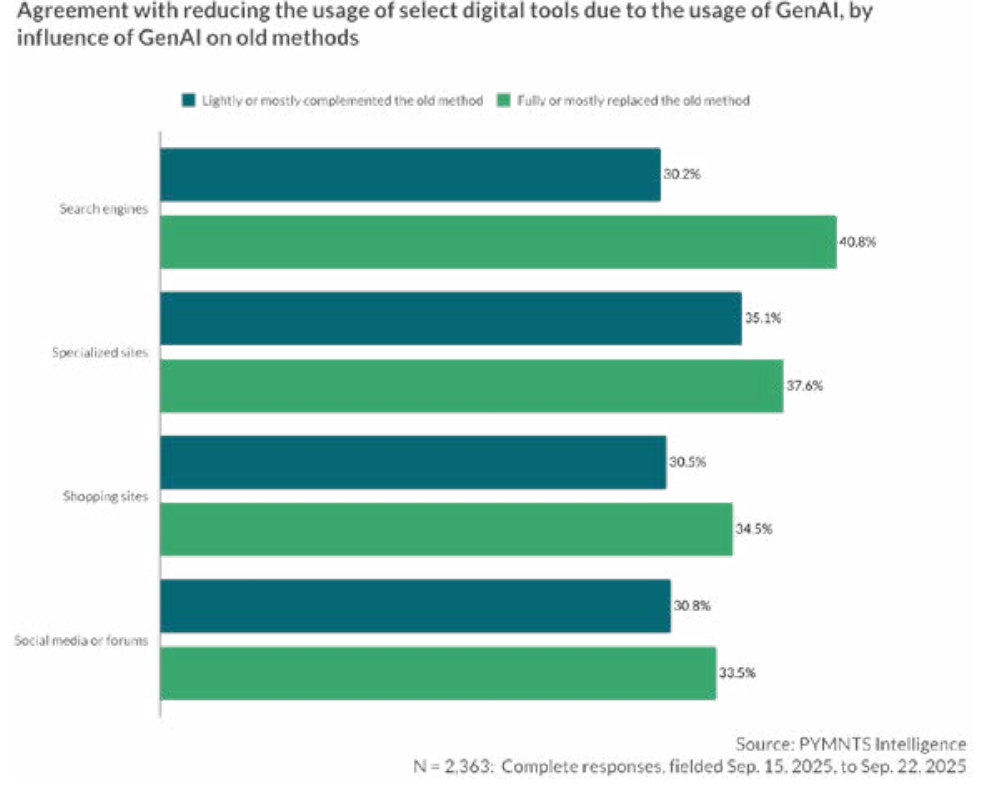
PYMNTS Intelligence puts numbers on this: roughly 30 million U.S. consumers have abandoned traditional search entirely in favor of AI-driven, outcome-oriented interactions. They call them "Prompt Economy Pros"—users who expect answers, sifting through links is work.
DoorDash has a rare advantage here: years of order history, real spending data, and taste signals from millions of users. Zesty aggregates data from Google Maps, TikTok, Reddit, and Eater to surface recommendations—with citations showing why a restaurant was chosen. Users can post photos, rate places ("Loved this!", "Kinda mid", "Not for me"), and follow other diners.
Own the discovery layer, then funnel users into the DoorDash ecosystem for delivery, reservations, or rewards.
Zesty isn't isolated, either. Earlier in 2025, DoorDash launched "Going Out"—a feature for dine-in reservations and rewards. The company acquired Deliveroo. They're building toward what they call "a global leader in local commerce"—an ecosystem that spans inspiration, discovery, and fulfillment. Zesty is the upstream land grab.
Beli is already eating Yelp's lunch
While DoorDash was building, a tiny startup called Beli quietly became the hottest food app among Gen Z.
Founded in 2021 by Judy Thelen and Eliot Frost—a couple who met at McKinsey—Beli works like Letterboxd for restaurants. Users rank places they've visited, and the app calculates scores based on personal comparisons. Follow your friends, see their rankings, get recommendations tuned to your taste.
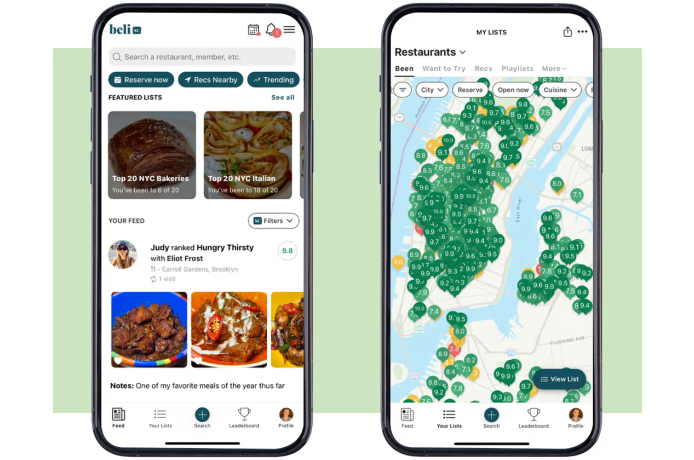
The numbers: Beli has logged 60 million restaurant ratings as of mid-2025. Eighty percent of users are under 35. The company raised $12 million, including a $5.3M Series A from Goodwater Capital and later participation from FirstMark. Forbes named them to the Cloud 100 Rising Stars 2025.
Beli grew without paid marketing—entirely through word-of-mouth and college campuses. The founders seeded it at NYU, University of Chicago, and Brown. Students started sharing their profiles on dating apps. The growth was organic, tribal, and sticky.
Build a taste graph for a specific community, grow through trust, monetize later.
The playbook: "Letterboxd for X" works—when done right
Beli isn't the first taste-graph success story. The template has been proven across multiple verticals.
Letterboxd (films): Founded in 2011 in New Zealand, the "Goodreads for movies" platform now has 10+ million users. It was valued at $50-60 million when Tiny acquired a majority stake in September 2023. The company just launched Letterboxd Video Store—a digital rental platform for curated indie films.
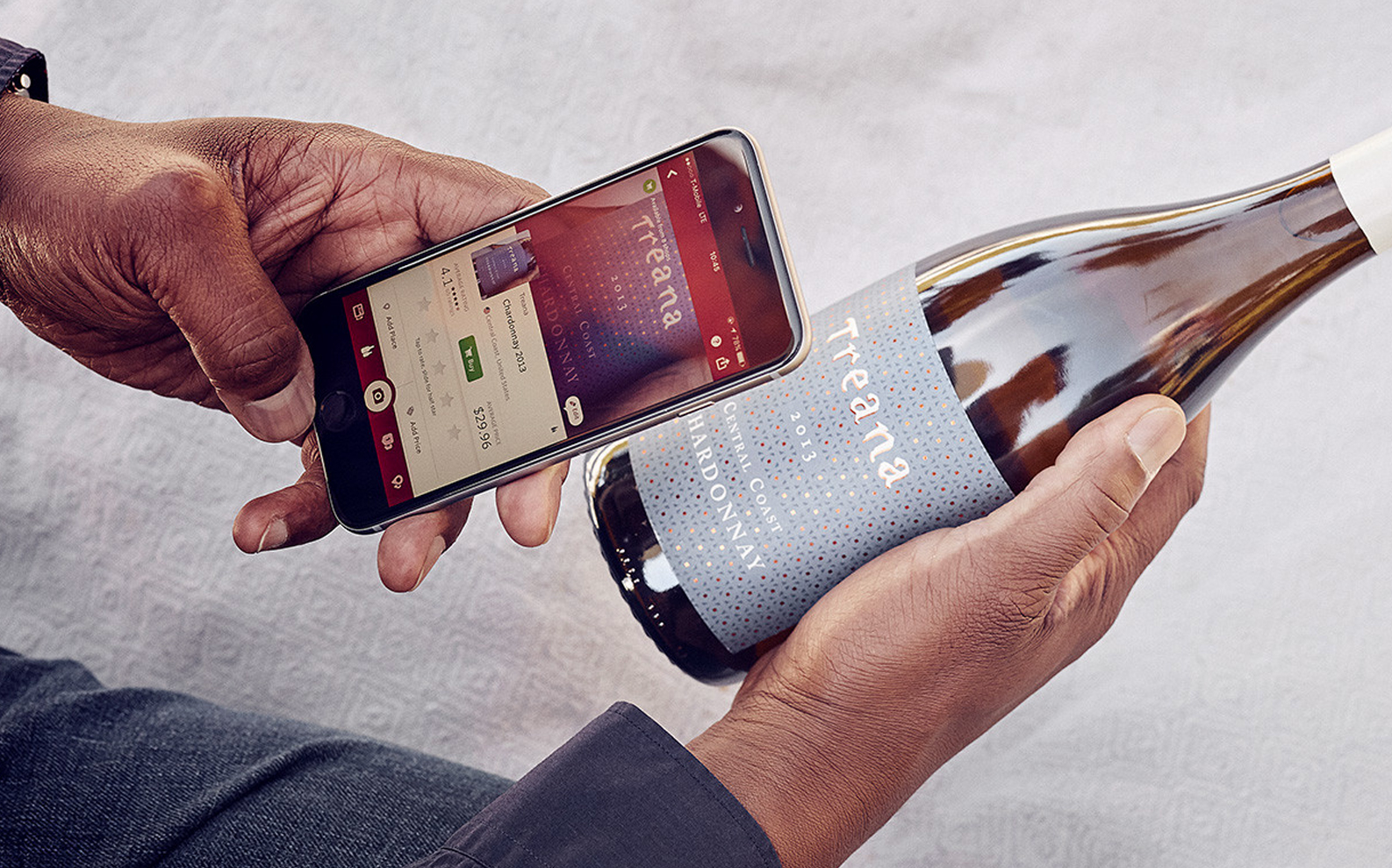
Vivino (wine): The Danish wine app has 60 million users, a database of 15.8 million wines, and has raised $212 million in venture funding. Users scan labels, get ratings, and buy directly through the marketplace.
Strava (fitness): The "social network for athletes" has over 100 million users. It proves that niche communities with high-frequency, identity-laden activities can scale massively.
What do these have in common? They capture revealed preferences—what people actually watch, drink, run, eat—and turn those signals into recommendations, community, and commerce. They're taste infrastructure.
Why "Zesty for X" is lazy—and how to make it sharp
A generic "AI recommendations app" dies fast. TikTok owns attention. Google owns intent. Apple owns distribution. DoorDash owns the transaction layer.
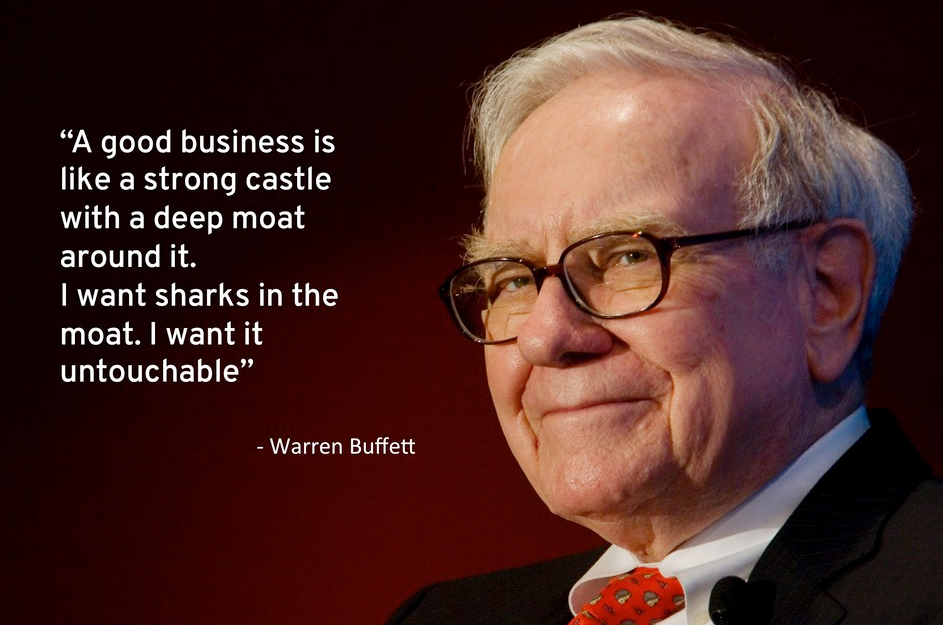
Your moat can't be better AI. It has to be better data, higher trust, and embedded distribution that incumbents can't replicate quickly.
How to build your wedge (follow this blueprint meticulously to construct a moat):
Unlock the Vault.
Join founders who spot opportunities ahead of the crowd. Actionable insights. Zero fluff.
“Intelligent, bold, minus the pretense.”
“Like discovering the cheat codes of the startup world.”
“SH is off-Broadway for founders — weird, sharp, and ahead of the curve.”


