


A 13-year-old girl in Raritan, New Jersey carved initials into her leg with a knife and filmed it. Not because she wanted to. Because someone hundreds of miles away told her to, and she was terrified not to comply.
The perpetrator used DoorDash to send her an untraceable phone. The carved footage was her admission ticket into a Discord server.
According to federal charging documents, 19-year-old Cayden Newberry of Tennessee was running a recruitment pipeline where self-harm videos served as membership dues to online abuse networks. The National Center for Missing & Exploited Children's CyberTipline received 36.2 million reports of suspected child sexual exploitation in 2023—with online enticement and "sadistic online exploitation" rising faster than any other category. The FBI is now investigating 350+ people with suspected ties to these networks across the United States. Victims as young as nine.

Parents are just now realizing the platforms their kids use for gaming and homework also host organized abuse ecosystems with names like "764" and "The Com"—cross-platform networks with recruitment tactics, admission requirements, and internal hierarchies that treat vulnerable children like status tokens.
Here's what makes this a business opportunity instead of just a crisis: affluent parents will pay $299-$499 per month for someone who knows what to do when things go wrong at midnight. The parental control software market is heading toward $4.3 billion by 2034, but it tops out at $170/year for monitoring tools that tell you something happened without any guidance on what to do about it. You're not competing with Bark or Qustodio. You're competing with home security monitoring, identity theft protection, and private tutoring budgets in suburbs where parents already spend $200-$400 monthly on services that make them feel responsible.
Every solution parents can currently buy was designed for a different threat. Screen time controls don't stop coercion. Content filters don't catch grooming tactics that live in DMs and private servers. Location tracking doesn't help when the danger is coming through the device in their hand.
The Market Displacement: Why Parental Controls Are Fighting the Wrong War
Current parental control products—Bark, Qustodio, Circle—price between $50-$170 per year and focus on three things: screen time limits, content filtering, and activity dashboards.
Bark monitors 30+ social platforms and sends alerts when it detects concerning content. Costs around $99-$168/year depending on features. Qustodio offers web filtering, app blocking, and call/text logs. Runs $50-$90/year for 5 to unlimited devices.
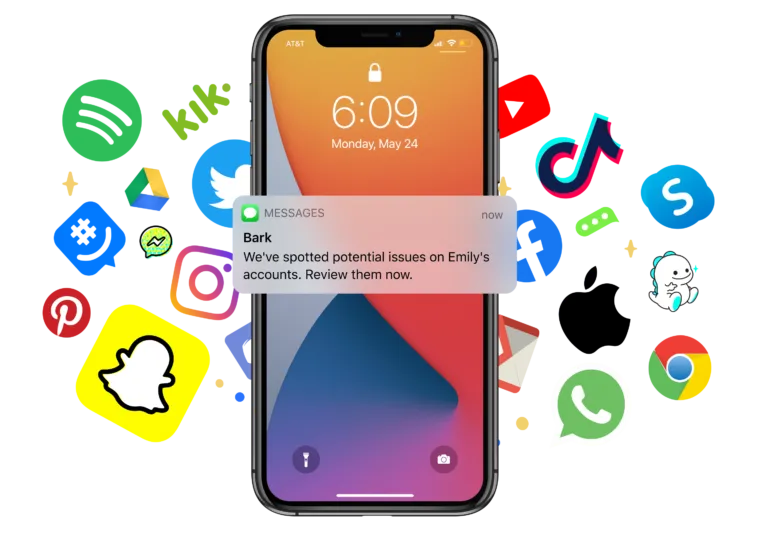
These are utility-priced monitoring tools. They tell you something happened. They don't tell you what to do about it.
Independent testing found that Bark's alerts can arrive hours or a full day after problematic content is encountered—too late if a child is being actively coerced at midnight. Qustodio and similar tools excel at screen-time management, web filtering, and dashboards. Not at incident triage or live guidance.
Parents don't want another dashboard showing them their kid got a weird DM at 11:47 PM. They want someone to tell them: "Here's what this means, here's what you do in the next 30 minutes, and here's how you talk to your kid without destroying trust."
You can't build that as a software subscription.
The Threat That Changed the Calculus
Three forces converged in late 2024 and early 2025 that turned child online safety from a "concerned parent" issue into a "pay whatever it takes" crisis:
1. The threats got names and structure
In January 2026, The Guardian published reporting on "The Com"—a cross-platform network UK child-safety organizations described as using coercion, exploitation, and status-driven abuse games targeting vulnerable children. Federal prosecutors in California described how COM leaders coerced Southern California minors into producing child pornography through blackmail and threats.

Europol announced coordinated arrests of CVLT network leaders in February 2025, calling it a "neo-Nazi child exploitation ring" operating across borders. Two arrested in the U.S., one in French custody, another serving 50 years.
In December 2025, DOJ officials gave rare public warnings about network "764"—named after a Texas ZIP code by its 15-year-old founder, now operating as more of an ideology than a single group. Senior federal prosecutors described the network's stated goal: cause societal collapse through exploitation and chaos. The group explicitly uses self-harm content and CSAM as status currency within its communities.
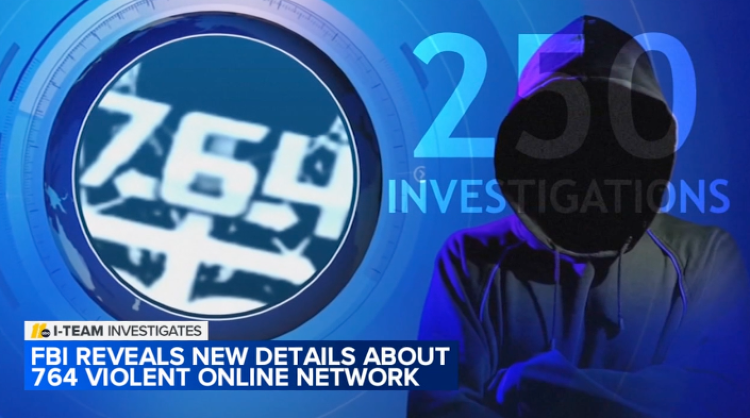
These aren't lone predators. They're organized communities with recruitment tactics, admission requirements, and internal hierarchies. They operate in plain sight on Discord, Telegram, gaming platforms, and private servers.
2. Platforms shipped dashboards without safety
Discord expanded its Family Center in 2025, giving parents summaries of their teen's activity—but deliberately excluding message content. Parents can see who their teen has messaged and how many servers they participate in, with a rolling seven-day window. They can't see the DMs where harm actually escalates.
The intentional design choice makes sense from a platform liability perspective. It creates terrible gaps for families trying to actually protect kids.
3. Regulators started treating this like product liability
New Jersey sued Discord in April 2025, alleging deceptive practices, unlawful safety claims, and harmful DM settings that expose kids to predators and violent sexual content. The lawsuit explicitly frames the platform's design as a consumer-protection issue.
At a January 2026 Senate Judiciary hearing, NCMEC testified that online child exploitation has become "more extreme" with "new and more extreme measures used to control, degrade and torture" children.
Parents are scared, existing tools are structurally insufficient, and government pressure is building.
The Trap: Why "White-Hat Chaperones" Doesn't Scale
The obvious version: "We put trained monitors in your kid's servers."
It sells emotionally. It breaks structurally.
Kids route around it instantly through alt accounts, new servers, and DMs on different platforms. Monitors stick out culturally and get isolated or banned. You inherit a liability minefield: evidence handling, mandated reporting obligations, staff exposure to illegal content, coordination with law enforcement. The agency model commoditizes fast—what stops a parent from just hiring a college kid to "keep an eye on things"?
Keep the emotion of the pitch but build the mechanics like protective services, not babysitting.
The Business Model: Digital Protective Intelligence (DPI)
The winning move is protective intelligence plus incident response packaged as a service.
Think Secret Service, not security camera. Not surveillance, not spying—risk management.
The category you're creating is Digital Protective Intelligence (DPI) for families.
This is closer to starting a specialized safety agency that gradually becomes infrastructure than building a conventional SaaS startup. That's not a limitation—it's the moat.
The DPI Stack: How the Product Actually Works

Unlock the Vault.
Join founders who spot opportunities ahead of the crowd. Actionable insights. Zero fluff.
“Intelligent, bold, minus the pretense.”
“Like discovering the cheat codes of the startup world.”
“SH is off-Broadway for founders — weird, sharp, and ahead of the curve.”


