


A woman in Fukuoka, 700 miles from Tokyo, rolls a robot up to your table at a café. She remembers your name. She jokes about baseball. She's been stuck in bed for two years with long COVID, but right now, through a 120cm robot with blinking eyes, she's your barista.
This isn't speculative. It's happening daily at DAWN Avatar Robot Café in Tokyo's Nihonbashi district. The café employs over 60 "pilots" — people with severe disabilities, ALS, multiple sclerosis, mobility limitations — who operate OriHime telepresence robots from their homes and hospital beds. Some pilots are three hundred miles away. One used to be a PhD researcher until MS and long COVID ended her academic career. Now she serves coffee and chats with tourists who fly in specifically to meet her.
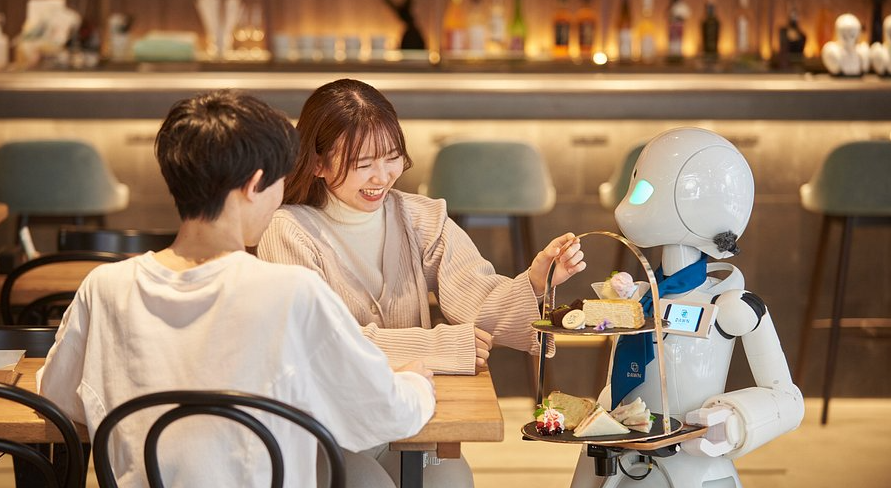
DAWN launched as a permanent operation in 2021 after multiple pop-ups. Reservations for the full "OriHime Diner" experience cost ¥10,000 per adult. The cafe pulls in tourists, corporate partners, and nonstop media coverage. It's barrier-free, cashless, and designed for both wheelchair users visiting in person and remote pilots controlling the robots.
DAWN built a café. Someone needs to build the infrastructure layer beneath it.
That's the opportunity: a staffing agency, operations platform, and certification system that lets any landlord, museum, or mall deploy human-powered robot staff at scale. DAWN proved the concept works in one location. You're making it work in 500.
Why Now: Three Converging Trends
1. Remote work unlocked a massive, underutilized labor pool
The employment rate for people with disabilities hit 22.7% in 2024, up from 19.3% before COVID. Highest level since the U.S. started tracking this data in 2008.
Research from Stanford and the Federal Reserve pins roughly 75% of this surge on remote work. Working from home eliminated commutes, let people control their environments, made it harder for employers to discriminate during Zoom interviews.
But most remote jobs are desk work. If you were a barista, hotel concierge, or retail worker before you acquired a disability, there's no obvious path back into customer-facing work from home.
Hundreds of thousands of newly employed disabled workers in the U.S. alone found desk jobs. How many more could work if we gave them robot bodies in physical spaces?
2. Telepresence robots quietly became real infrastructure
Museums have used telepresence robots for over a decade. National Museum of Australia ran pilots in 2013. Tate Museum in London deployed them for after-hours exhibition tours in 2014. Hastings Contemporary in the UK launched a permanent telepresence program during the pandemic—still running in 2025.
Museums and galleries figured out the boring, critical details: WiFi coverage, battery life, guest interaction protocols, safety procedures, staff training. They proved the tech works in high-stakes environments with paying visitors.
The Ringling museum in Sarasota partnered with the local hospital system to bring telepresence robot tours to hospital patients. They named the robot Artie. It rolled through orthopedics wings offering Visual Thinking Strategies art discussions to people recovering from surgery. The program expanded from one wing to multiple units because patients kept asking for it.
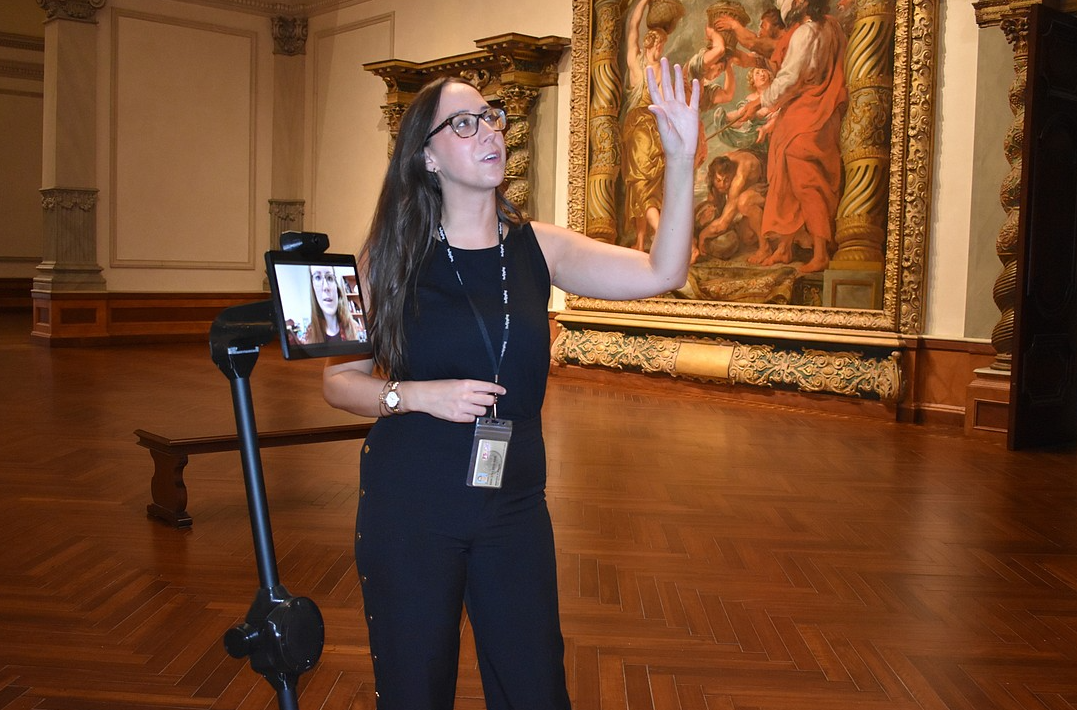
Worth pausing on that: patients recovering from hip replacements specifically requested more time with a robot talking about paintings. That's product-market fit.
The global telepresence robot market sits around $370-380 million in 2024. Projections put it at $870 million to $1.4 billion by 2032-2033, growing 11-20% annually. Healthcare is the largest segment, but education, corporate, and museums are all deploying these robots in real volume.
The hardware exists. The use cases are validated. What's missing is the staffing layer — the talent marketplace, certification system, and operations platform that turns these robots into a reliable workforce.
3. Product-culture fit beats product-market fit
When pilots describe working at DAWN, they talk about being thanked by customers, feeling useful, the psychological shift from "patient" to "colleague." One pilot said: "I believe my life has a purpose and is not being wasted. Being useful, able to help other people, even feeling needed by others is so motivating."
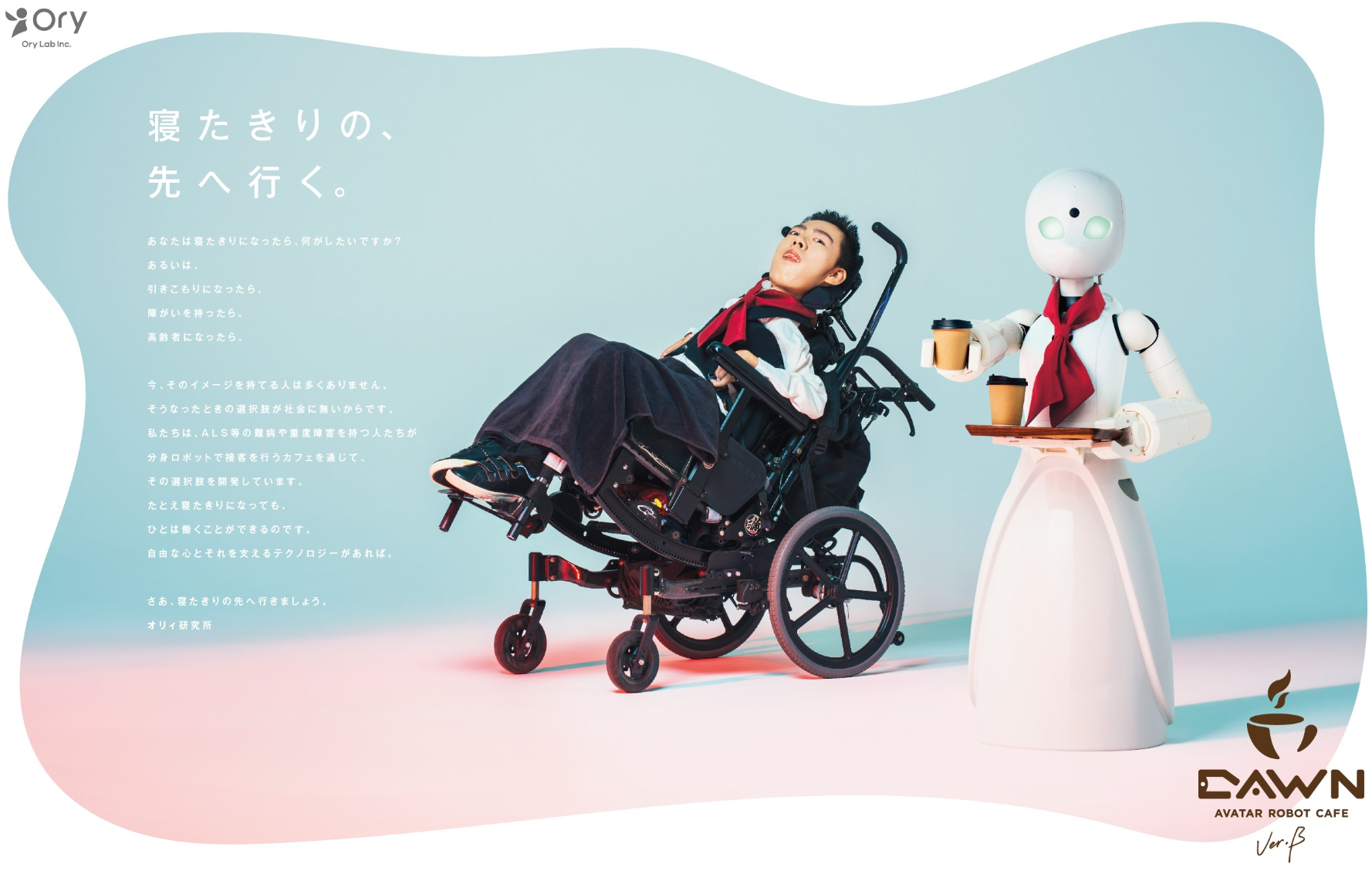
People fly to Tokyo specifically to meet these pilots. Travel blogs rave about it, visitors cry, the café has earned coverage in mainstream outlets globally—not because robots are cool, but because human-powered robots operating from hospital beds hit something emotional.
The café charges ¥10,000 per person for the full experience. That's roughly $65 USD. For Tokyo, that's not cheap. And they're booked solid.
The Play: From Robot Café to Avatar Work OS
Unlock the Vault.
Join founders who spot opportunities ahead of the crowd. Actionable insights. Zero fluff.
“Intelligent, bold, minus the pretense.”
“Like discovering the cheat codes of the startup world.”
“SH is off-Broadway for founders — weird, sharp, and ahead of the curve.”


