


A decade ago, Home Depot won at the moment you stepped into the aisle.
Now it wins before you leave your couch. The aisle dissolved into a 42-second TikTok where someone swaps a faucet or patches drywall, and you decide: I can do that.
The next question isn't "Where do I buy?" It's "Which exact parts do I need so I don't screw this up?"
On December 10, 2025, Home Depot launched the Home Depot Creator Portal—a centralized hub where creators access campaigns, affiliate opportunities, performance tracking, and shoppable links. Thousands enrolled immediately. This follows Lowe's June 2025 launch of its Creator Network, which pulled in 17,000+ creators during beta and partnered with MrBeast for its kickoff.
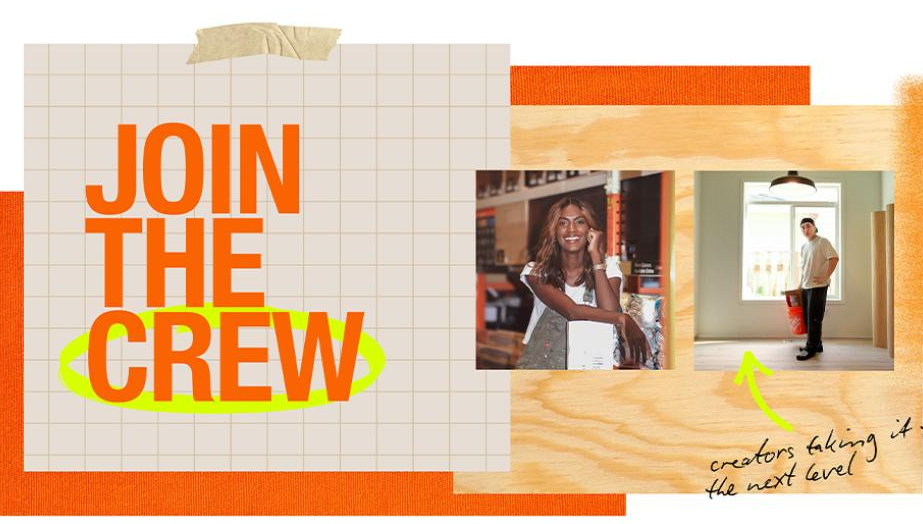
Major retailers are building first-party creator programs—Walmart Creator (launched 2022), Sephora storefronts, Target's affiliate expansions—because they want to own the channel instead of renting it from Meta and TikTok forever.
The problem: Retailers want a walled garden. Creators live in affiliate polyamory.
They'll join every program that pays—Home Depot, Lowe's, Amazon, Walmart—because their loyalty is to revenue, not romance.
Portals give access, not operations
Home Depot's portal offers shoppable links and performance tools. Lowe's provides tiered support, commissions (10-20% average), and custom storefronts. Both give creators "access." Neither gives them an operating system.
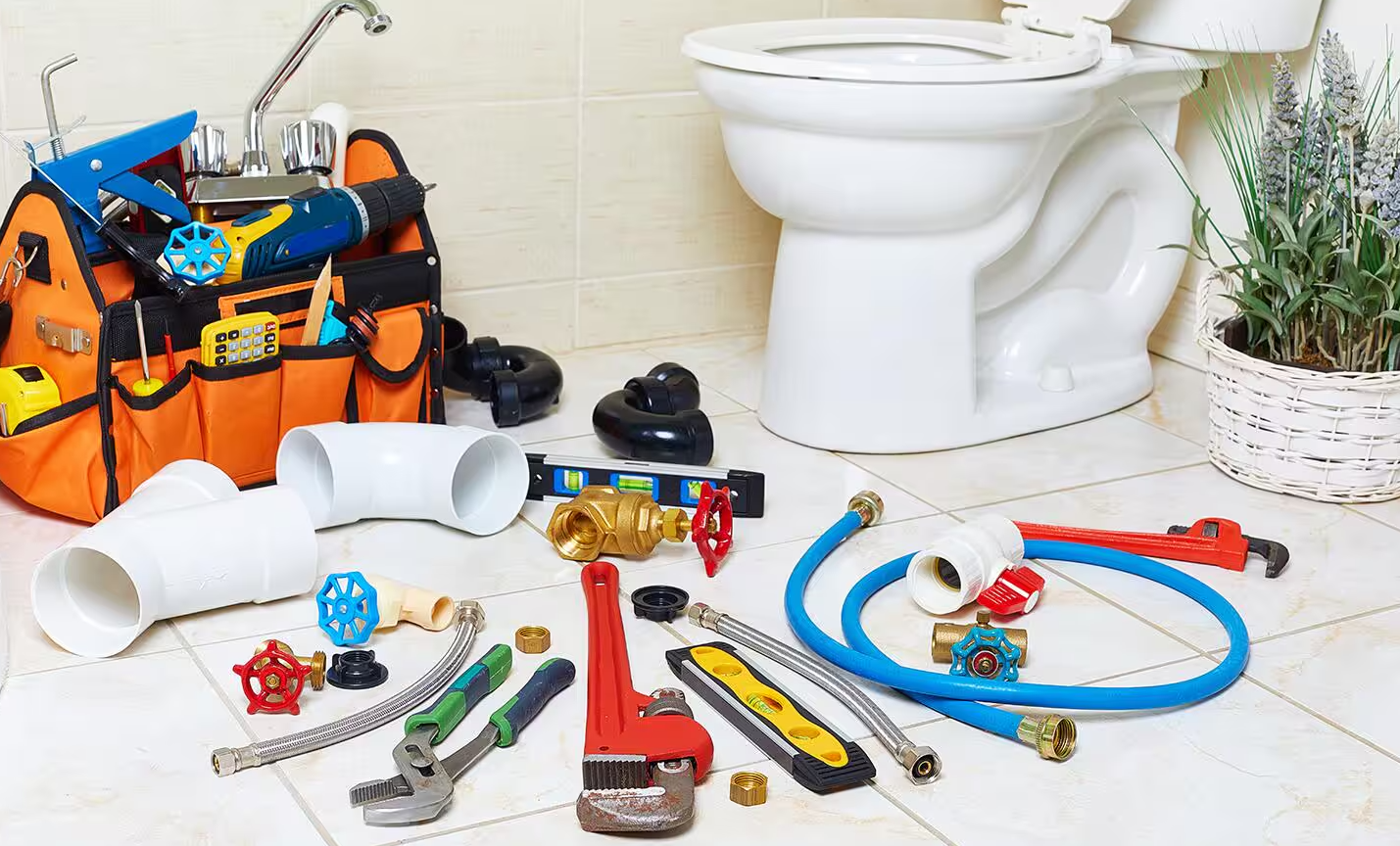
Creators still manually handle the painful parts: translating a project into a correct bill of materials (BOM), mapping products to SKUs across retailer endpoints, keeping links fresh when items go out of stock, repurposing one project into multiple content formats, reconciling what actually paid across 3-5 programs.
The chaos is real. Creators using Walmart Creator report browser extensions like Honey hijacking their commissions mid-checkout. Sales vanish from dashboards due to attribution failures. Payment delays stretch 60+ days across programs. You're not solving a hypothetical workflow problem—you're building the reconciliation layer creators are currently doing in spreadsheets.
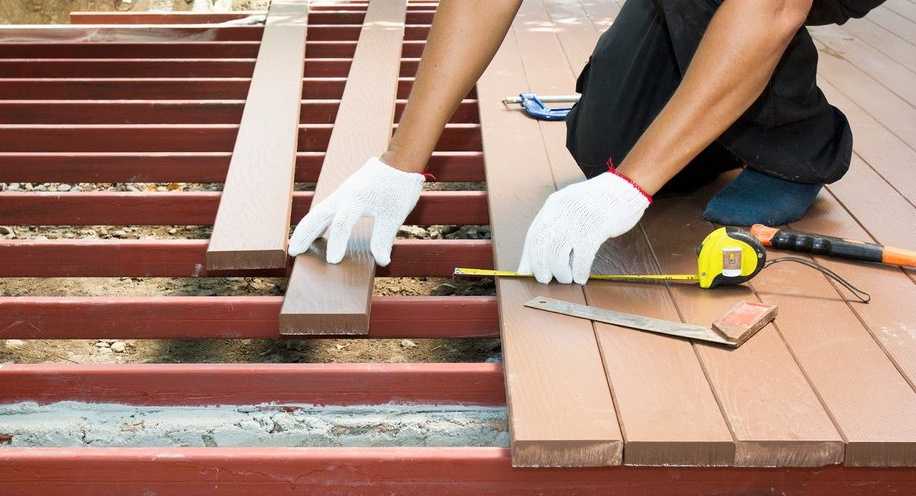
Home improvement projects are operationally complex. A deck stain project requires lumber, stain, brushes, sandpaper, safety gear, maybe a power washer. Miss one item and you kill conversion. Get the spec wrong and you generate returns.
Affiliate marketing will drive $210 billion in U.S. ecommerce sales in 2025 across all categories. DIY and home improvement sit in the high-intent, high-ticket segment of that market. When someone clicks a deck-building tutorial, they're not browsing. They're buying.
Your product sits between the creator and the chaos, turning messy projects into clean, shoppable systems.
What you're building
Start with the practical wedge. Turn one project into a standardized recipe: steps, complete BOM mapped to SKUs, shoppable blocks across multiple retailers, content pack optimized for the platform, unified earnings ledger that reconciles commission across programs.
Unlock the Vault.
Join founders who spot opportunities ahead of the crowd. Actionable insights. Zero fluff.
“Intelligent, bold, minus the pretense.”
“Like discovering the cheat codes of the startup world.”
“SH is off-Broadway for founders — weird, sharp, and ahead of the curve.”


