


Beauty creators have a problem: their audience stopped trusting them.
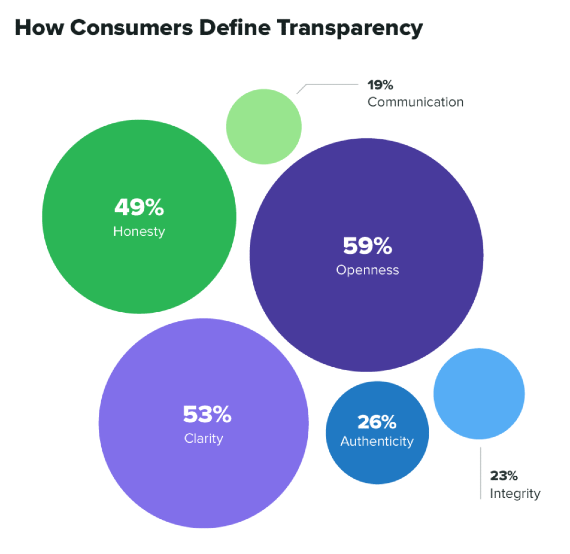
McKinsey's 2025 State of Fashion: Beauty report shows influencer relevance for inspiring beauty purchases declined 8 percentage points over two years in the US, China, and Europe. At the same time, 81% of Gen Z say ingredient transparency drives their purchases, and three-quarters of consumers will pay more for brands offering total transparency.
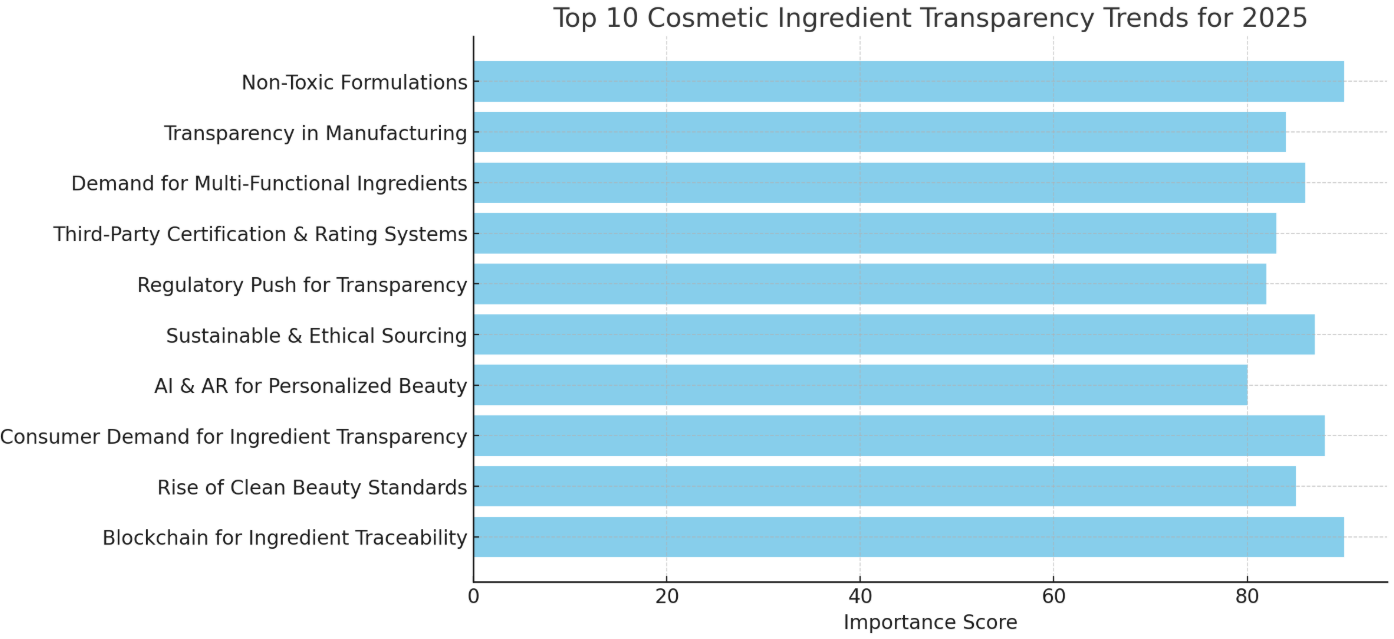
Gen Z wants science, creators need credibility, and brands want conversions. Nobody has a tool that delivers all three without turning a 30-second TikTok into a compliance nightmare.
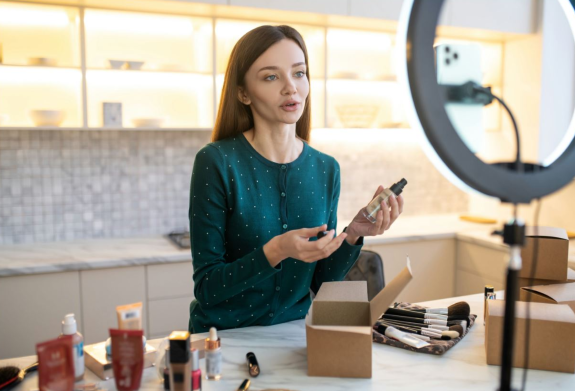
The winning creator changed
There's a shift happening in beauty. The winning creator stopped being the one who found the cutest bottle. The winning creator became the one who could point at an ingredient list and explain what actually matters — and what you should never claim on camera.
Gen Z made this explicit. In 2025, ingredient transparency ranks as a top purchase driver for this demo. They actively look for "natural" claims (52%), "non-toxic" labels (41%), and "dermatologist-tested" badges (39%). They read labels. They screenshot INCI lists. They cross-reference PubMed.
Beauty commerce has gone digital-first. Online channels now represent 41% of all US beauty and personal care sales, growing 9x faster than brick-and-mortar. TikTok Shop alone hit nearly $1 billion in beauty sales and became the 8th largest health & beauty retailer in the US — selling a beauty product every two seconds during peak periods.
Creators aren't just billboards anymore. They're the checkout lane.
The more creators shift from "haul entertainment" to "ingredient authority," the more expensive authority becomes. Reading studies takes hours. Getting sciencey on camera invites roasting if you're wrong. Making drug-like claims — "treats acne," "rebuilds collagen," "heals eczema" — crosses into FDA territory, where cosmetics become drugs requiring approval.
Meanwhile, the FTC tightened disclosure rules in 2023. Penalties now hit $53,088 per violation. Built-in platform tools like Instagram's "Paid Partnership" tag aren't sufficient on their own. Brands are liable for influencer violations. One undisclosed post can trigger regulatory action.
The real product creators need isn't "ingredient info." The internet has that. What creators actually need is authority at speed, with guardrails.
Yuka proved consumer appetite, not creator tools
Yuka, the French ingredient-scanning app, hit ~77M users on Google Play and ~80M on the Apple App Store, logging 8.3 billion scans since launch. It's the #1 free health and fitness app on the Apple App Store.
OnSkin positions itself as a skincare companion with millions of users doing the same thing: scan, evaluate, get a safety score.
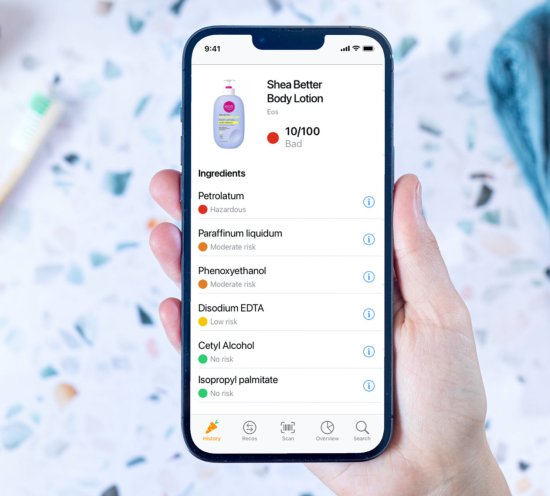
But Yuka, OnSkin, Think Dirty, and INCI Beauty all built for end consumers. They output safety scores and product ratings. Good for shoppers. Useless for creators who need scripts, hooks, citations, and compliance checks that export directly into TikTok, Instagram, and YouTube workflows.
Your opening isn't a smaller TAM version of consumer scanners. It's creator-first outputs with workflow integration. Tell creators exactly what to say on camera — with receipts and without getting flagged by the FDA — and put it where they're already working.
PubMed to script to safe claims to shop
Build an app that turns any beauty label into a ready-to-film "ingredient spotlight" in under 30 seconds.
What the creator sees:
Unlock the Vault.
Join founders who spot opportunities ahead of the crowd. Actionable insights. Zero fluff.
“Intelligent, bold, minus the pretense.”
“Like discovering the cheat codes of the startup world.”
“SH is off-Broadway for founders — weird, sharp, and ahead of the curve.”


