


Opportunity: the "Comfort API" — wearable biometrics feeding real-time bedroom climate control, delivering measurable sleep gains without new hardware.
The thesis
Smart rings aren't trying to become another health dashboard. They're becoming a control surface. The first consumer device that knows your physiology in real time and knows when you're unconscious and can't fiddle with settings.
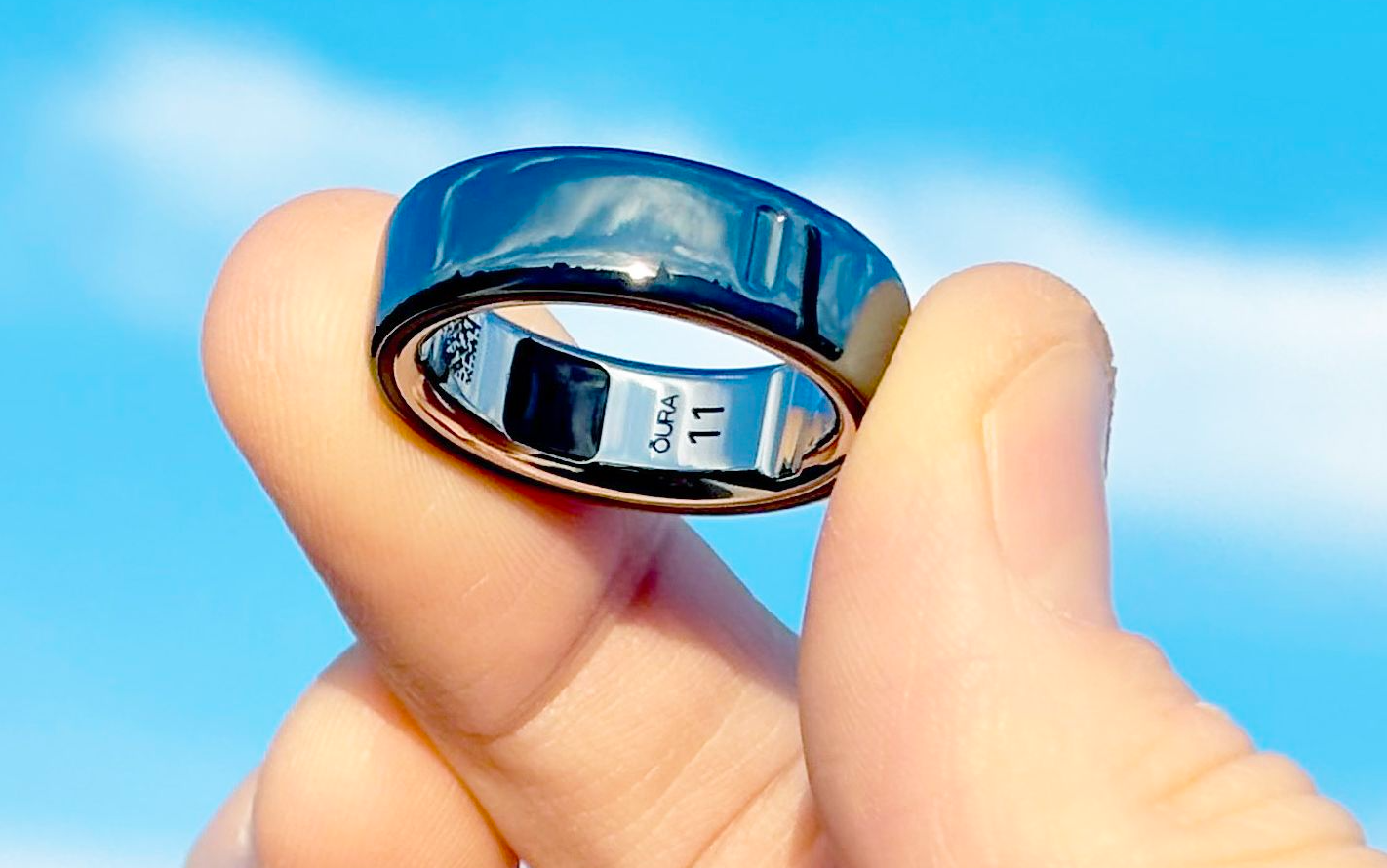
Ultrahuman already proved the concept. Its Home Monitor tracks air quality, temperature, humidity, light, and noise, and through a feature called UltraSync, pairs directly with the Ultrahuman Ring to automatically adjust thermostats, purifiers, and lights based on real-time sleep data — with Matter compatibility on the roadmap. Oura has its own patent activity pointing toward multi-device ecosystems connecting rings, glasses, and environmental data. Both companies are building toward the same conclusion: wearables should control your environment, not just report on it.
That's the validation. Here's the gap: both are building walled gardens. Ultrahuman wants you in UltraSync. Oura wants you in their app. Apple wants you in HomeKit. Nobody is building the vendor-neutral layer that works across every ring, every thermostat, and every sensor.
- 5000 paying consumers at $12/mo gets you to $720K ARR.
- Layer in a 500-unit multifamily pilot at $4/unit/month and one mattress brand activating subscriptions, and the number crosses $900K — all before any venture-scale ambition enters the picture.
A small team can reach these milestones because the core product is software glue between devices people already own.
Build the layer that makes rings interchangeable and homes adaptive. A standardized Comfort API that normalizes messy wearable and home sensor data into a single score, recommended actions, and automations across Nest, Ecobee, Home Assistant, and Matter ecosystems.
The product isn't the ring. It's the room.
Why now
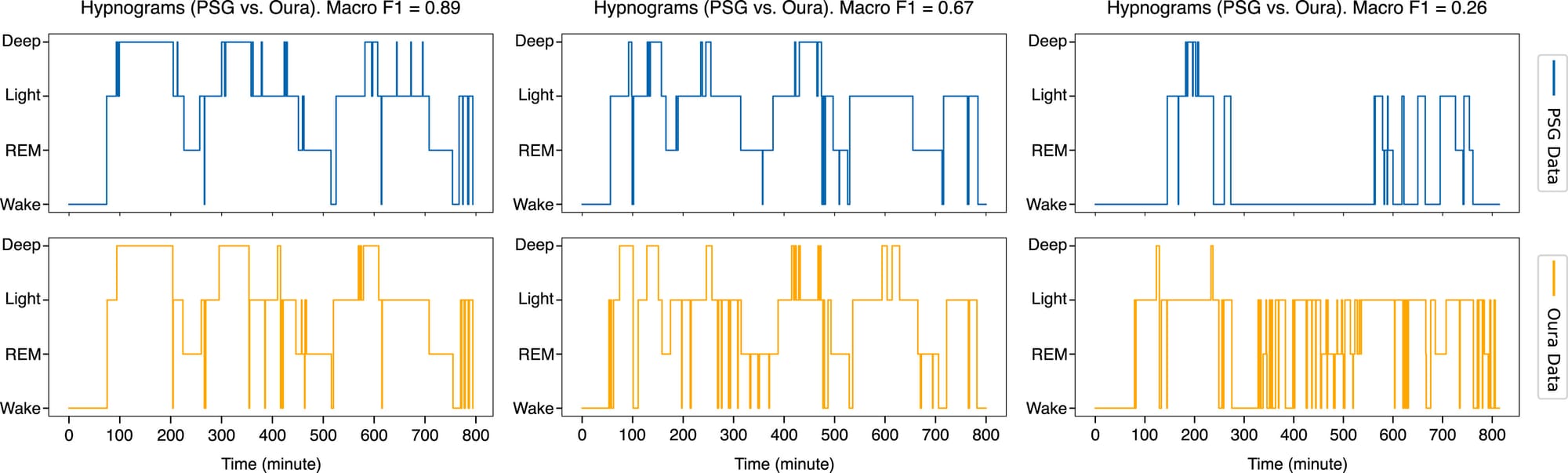
Sleep signals have crossed the automation threshold. A 96-participant validation study confirmed Oura Gen3's sleep staging showed no significant difference from gold-standard polysomnography across total sleep time, sleep onset latency, deep sleep, and light sleep, with overall accuracy between 91.7% and 91.8%. For context, two trained human technicians scoring the same night agree only about 83% of the time. That's the accuracy line where triggering real-world actions from wearable data stops being reckless.
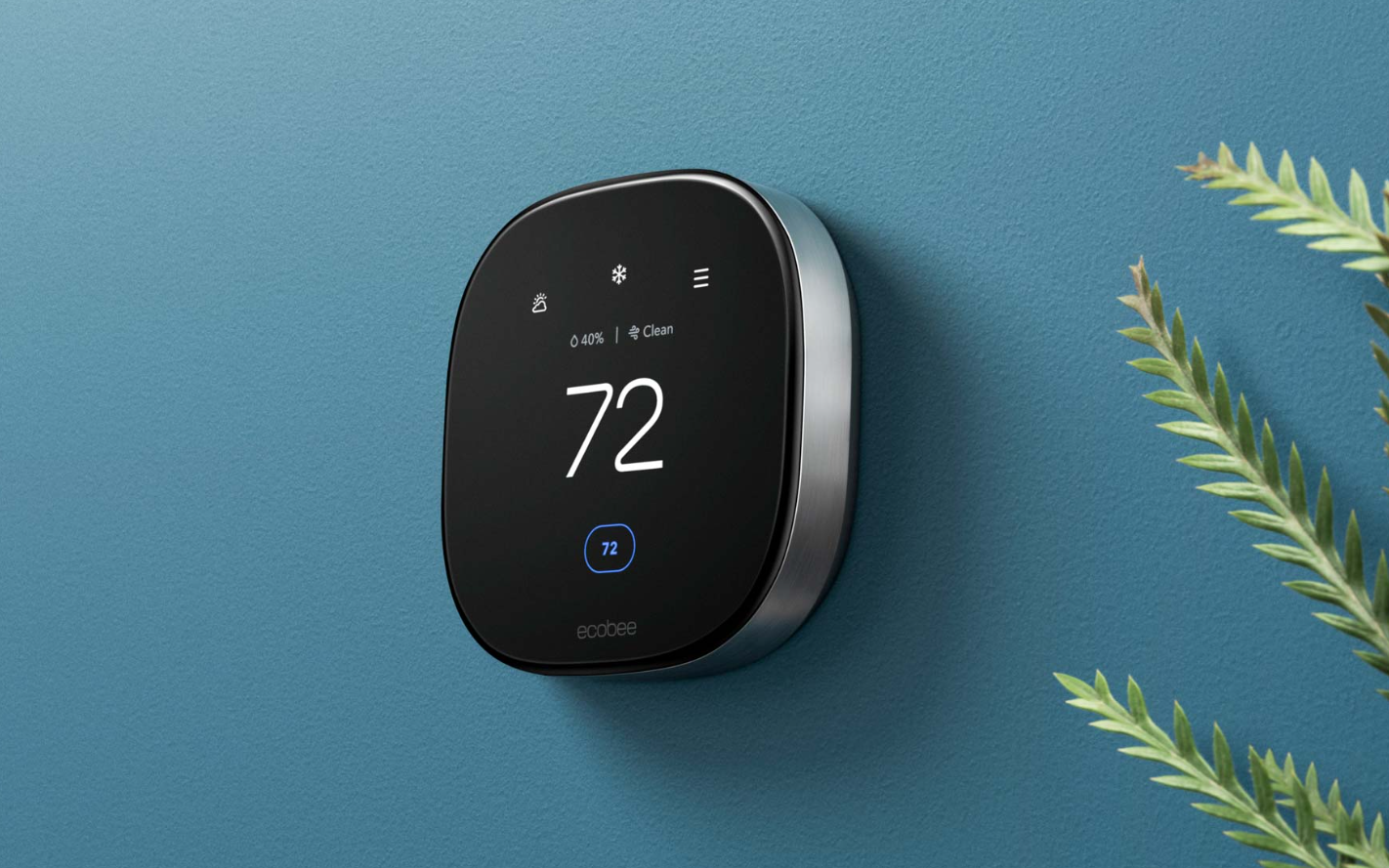
The thermostat installed base is huge, growing, and still running dumb logic. Global smart thermostat revenues hit roughly $4.5–4.6B in 2024, projected to more than double by 2030, with U.S. adoption still sitting at only 16–17% of internet households. Yet the vast majority of these devices run "schedule + occupancy" logic. No physiology. No adaptation to what your body actually needs at 3am. The science points to a consistent optimal window — bedroom temp between 60–67°F and humidity around 30–50% — but the relationship is heavily personalized, with large variation between individuals in how temperature swings affect sleep quality. The installed base can deliver adaptive control. Nobody's wiring the two together.
Platform chaos is creating the opening. Home Assistant received official Matter certification in 2025, the first open-source project to earn it, and now has over 2 million installations. Matter has certified 670+ Thread-enabled products, and its royalty-free framework means startups can build cross-ecosystem integrations without proprietary fees. Meanwhile, platform instability keeps pushing users toward vendor-agnostic solutions. Belkin announced in mid-2025 it's ending cloud support for nearly all Wemo products, killing app access, remote features, and voice assistant integrations for devices sold as recently as 2023. Google sunsetted its first- and second-generation Nest Learning Thermostats in October 2025, turning them into disconnected local devices. Every support sunset is a trust scar and a distribution window for something local-first.
Market shape: who pays
Three stacked markets sharing one infrastructure layer. Pursue them in order:
Unlock the Vault.
Join founders who spot opportunities ahead of the crowd. Actionable insights. Zero fluff.
“Intelligent, bold, minus the pretense.”
“Like discovering the cheat codes of the startup world.”
“SH is off-Broadway for founders — weird, sharp, and ahead of the curve.”


