


Build the first "maintenance-first" habit system that rewards doing 10% — and turn it into a category, not an app.
If you build "a habit tracker, but for half-assing it," you'll get copied fast. The real opportunity is owning the anti-optimization category with a protocol, a product, and a distribution loop that makes "bare minimum" feel like an identity — and becomes the default wellness tool for the weeks when life falls apart.
Why This Window Is Open
"Lock in" is already a named, platform-level behavior. The American Dialect Society named "lock in" its most useful term of 2024. On TikTok, "The Great Lock-In" went viral as millions publicly declared four-month self-improvement sprints. TikTok's 2026 trend forecast confirmed the "lock-in mindset" as a defining cultural pattern. That creates a clean counter-position: lock in, but gently.
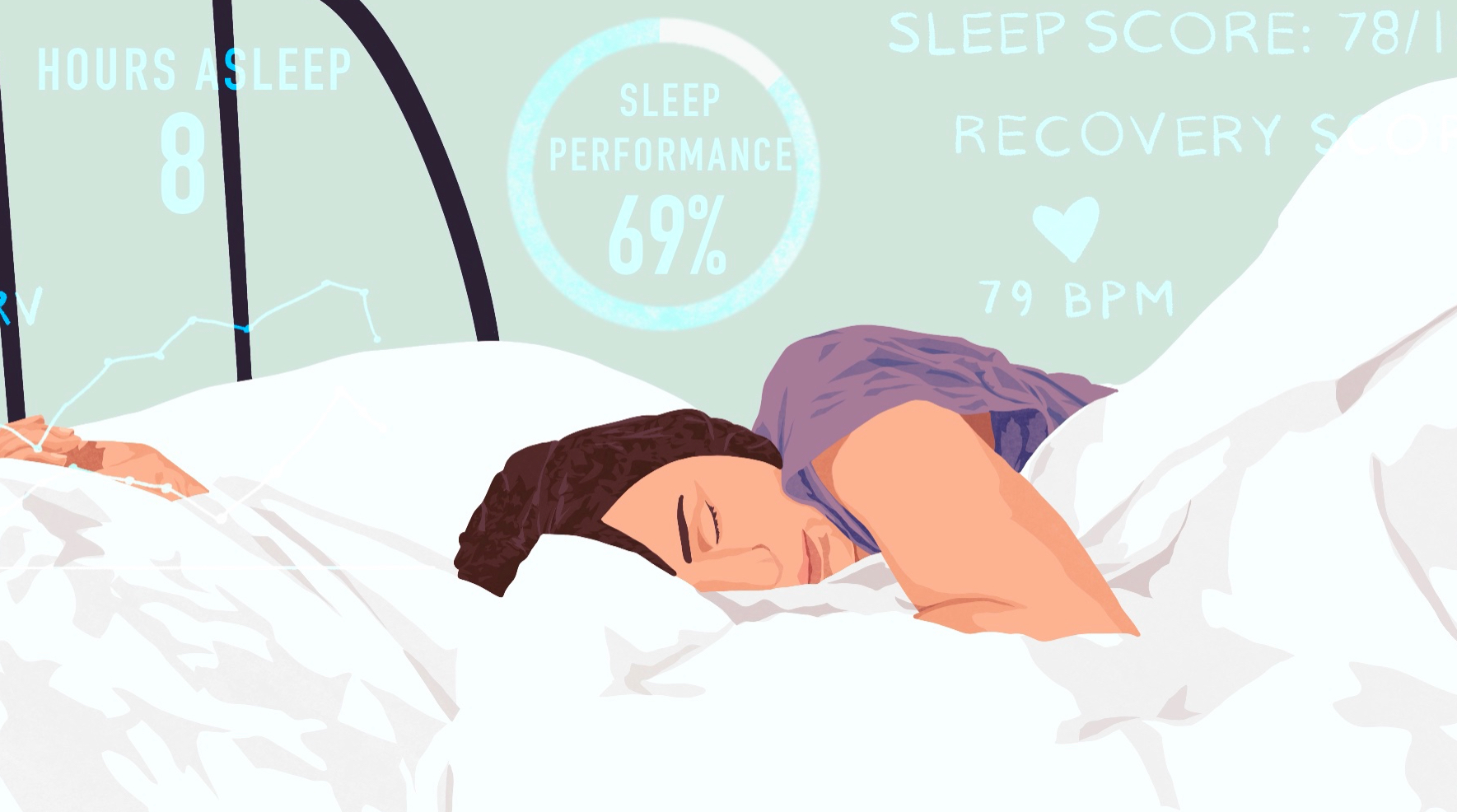
Rest is now a spend category. The global sleep economy hit $585 billion in 2024, with projections to exceed $1 trillion by 2033. WGSN named "therapeutic laziness" a top trend of 2025 — spending extended time in bed being intentionally unproductive as self-care. Consumers are paying premium prices for doing less on purpose.
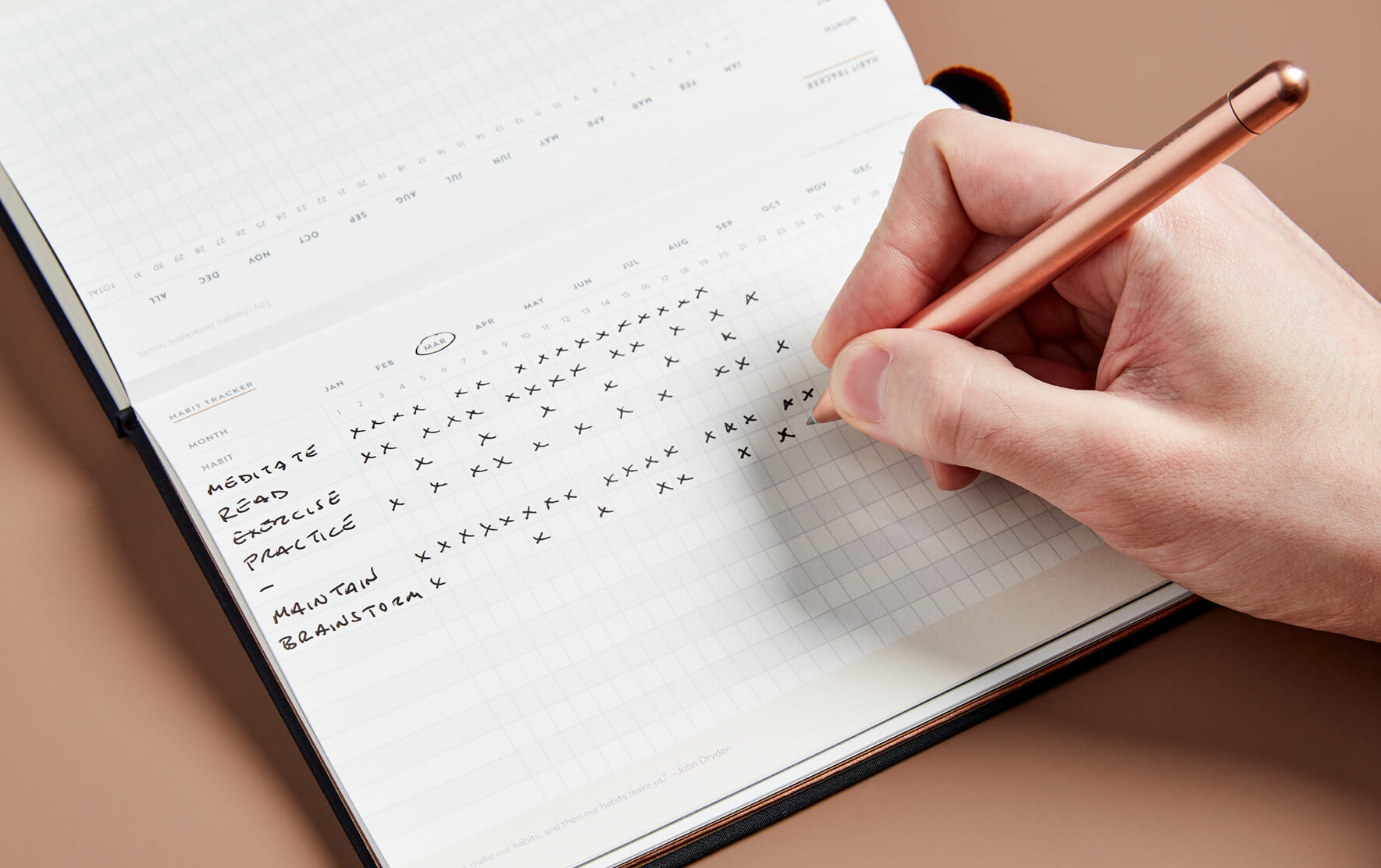
Habit tracking is big and thematically one-sided. The market is growing at roughly low-teens CAGR, yet nearly every product centers on streaks, optimization, and discipline. Duolingo-style streak mechanics — the dominant paradigm — are generating measurable backlash. Users with 500-, 700-, even 1,200-day streaks are publicly quitting, citing anxiety and guilt. The phenomenon earned its own label: "Duo anxiety." Almost nothing on the market is designed for the fail state — the low-energy week, the burnout month, the "I can't do my life today" day.
The broader wellness economy hit $6.8 trillion in 2024, headed toward roughly $10 trillion by 2029. Mental wellness is the second-largest growth sector, expanding over 12% annually. A McKinsey survey found 30% of Gen Z and millennials now prioritize wellness "a lot more" than the prior year, with sleep, nutrition, and mindfulness topping their list. The demand signal is loud. The supply of products built for your worst week is practically nonexistent.
Build for the Fail State, Not the Highlight Reel
Classic habit apps are built for your best week. This product is built for your worst. And that's exactly why the retention math works differently.
Unlock the Vault.
Join founders who spot opportunities ahead of the crowd. Actionable insights. Zero fluff.
“Intelligent, bold, minus the pretense.”
“Like discovering the cheat codes of the startup world.”
“SH is off-Broadway for founders — weird, sharp, and ahead of the curve.”


