


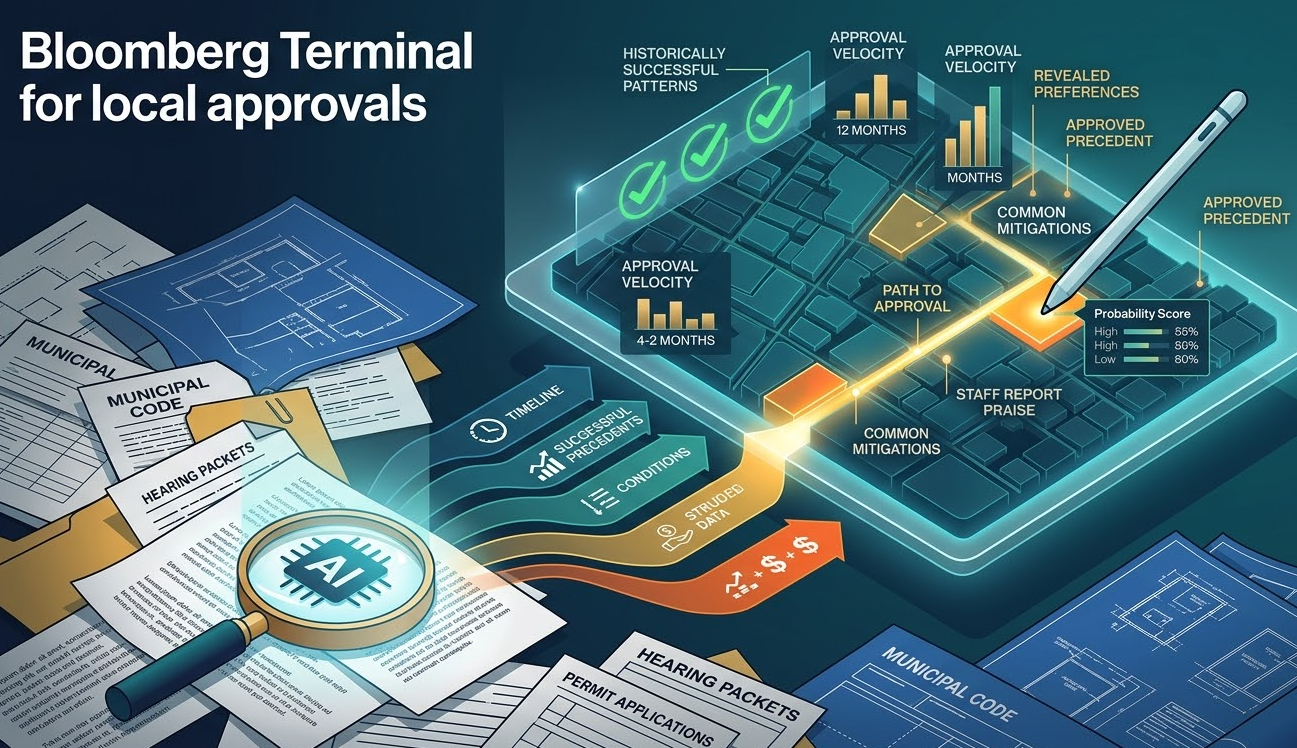
Instead of reading zoning codes and guessing, users get structured decision briefs built from real municipal outcomes: prior approvals, variance findings, staff reports, objection patterns, and timeline data.
Think "Bloomberg Terminal for local permitting." A two-person team can reach $30K MRR selling approval briefs and subscriptions in a handful of metros — before the product is fully automated.
Most people attack permitting the wrong way.
They read the code, hire a consultant, fill out the forms, and hope the city interprets the rules the same way they do. But local development doesn't work like that. Written code is only half the game. The other half lives in staff memos, hearing packets, variance findings, conditions of approval, and the political language that has already survived review in that specific jurisdiction.
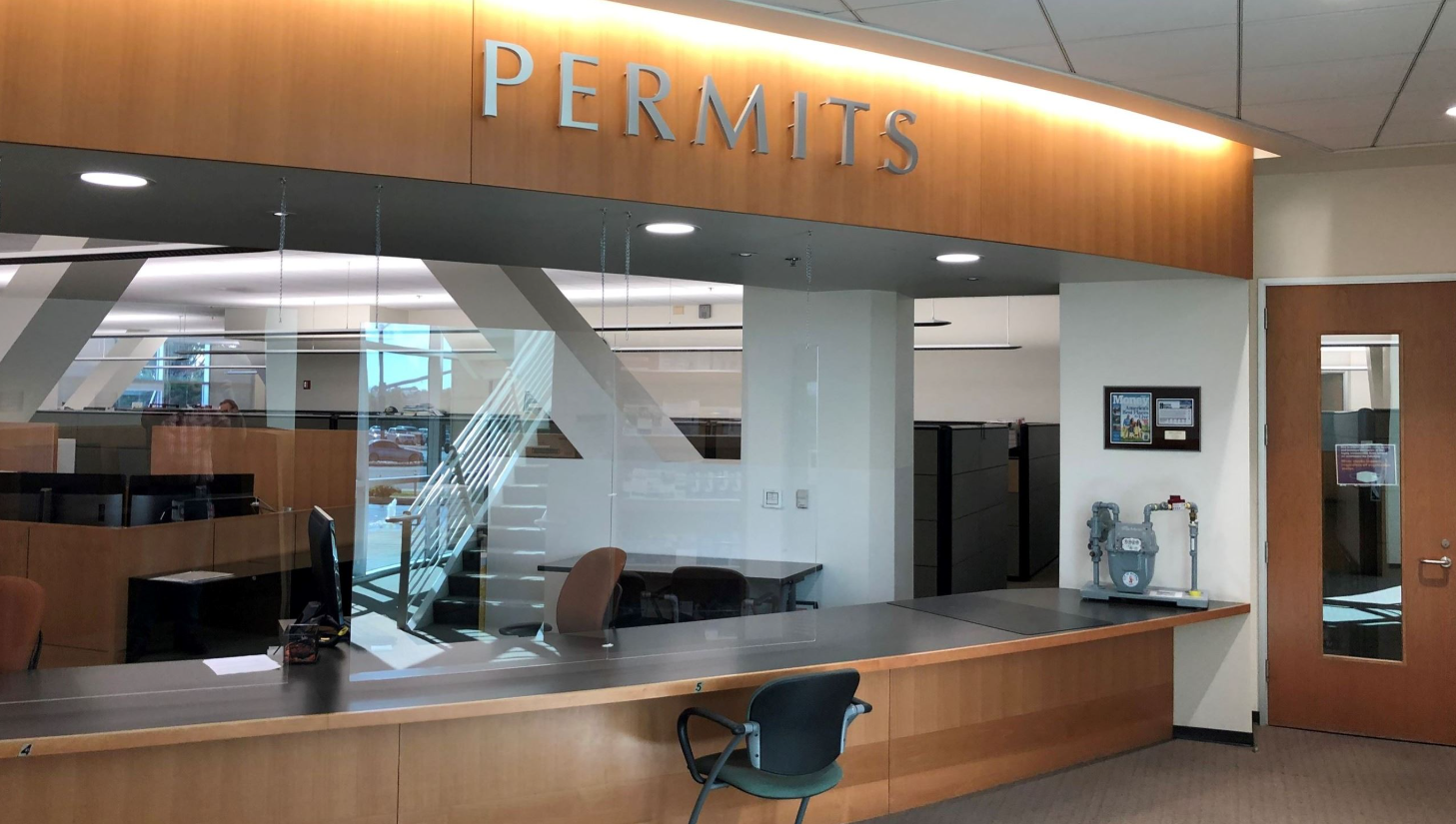
The real opportunity is a private intelligence layer for local approvals — an AI startup idea hiding inside one of the most expensive, manual workflows in American construction. A system that shows developers, architects, permit expediters, restaurant operators, and small builders what actually got approved in a given city. Under what facts. With what language. Under what conditions. And how long the whole thing took.
That's a much bigger business than automating records requests. It's a data moat hiding inside a compliance workflow, and a B2B SaaS idea that could start generating revenue within weeks. One month of avoidable permitting delay on a small multifamily project can cost a developer $50,000 or more in holding costs alone.

One important technical note: if you're targeting city councils, planning departments, zoning boards, and local building offices, you're usually not dealing with the federal Freedom of Information Act. Federal FOIA applies to federal agencies, not state or local governments. At the local level, the work runs through state public-records laws, sunshine laws, open-meetings statutes, and municipal disclosure rules. You're not building one universal requester. You're building a jurisdiction-by-jurisdiction records engine — a micro SaaS idea that gets more defensible with every city you add.
That sounds messier. It's also what makes this interesting.
Why This Is Real Now
Permitting friction is a meaningful cost center for anyone building physical things in America.
Research cited by Pew found that more than 80% of proposed multifamily housing developments in California required "entitlement" — the process of securing all necessary government approvals before construction. Entitlement timelines for similar projects varied wildly: a median of six months in Oakland versus more than 25 months in San Francisco. Joint research from NAHB and NMHC found that government regulations at all levels account for an average of 40.6% of multifamily development costs. NIMBY opposition alone adds roughly 5.6% to total costs and delays delivery by an average of 7.4 months. In the NMHC's June 2025 survey, 85% of respondents experiencing delays cited permitting as a cause.
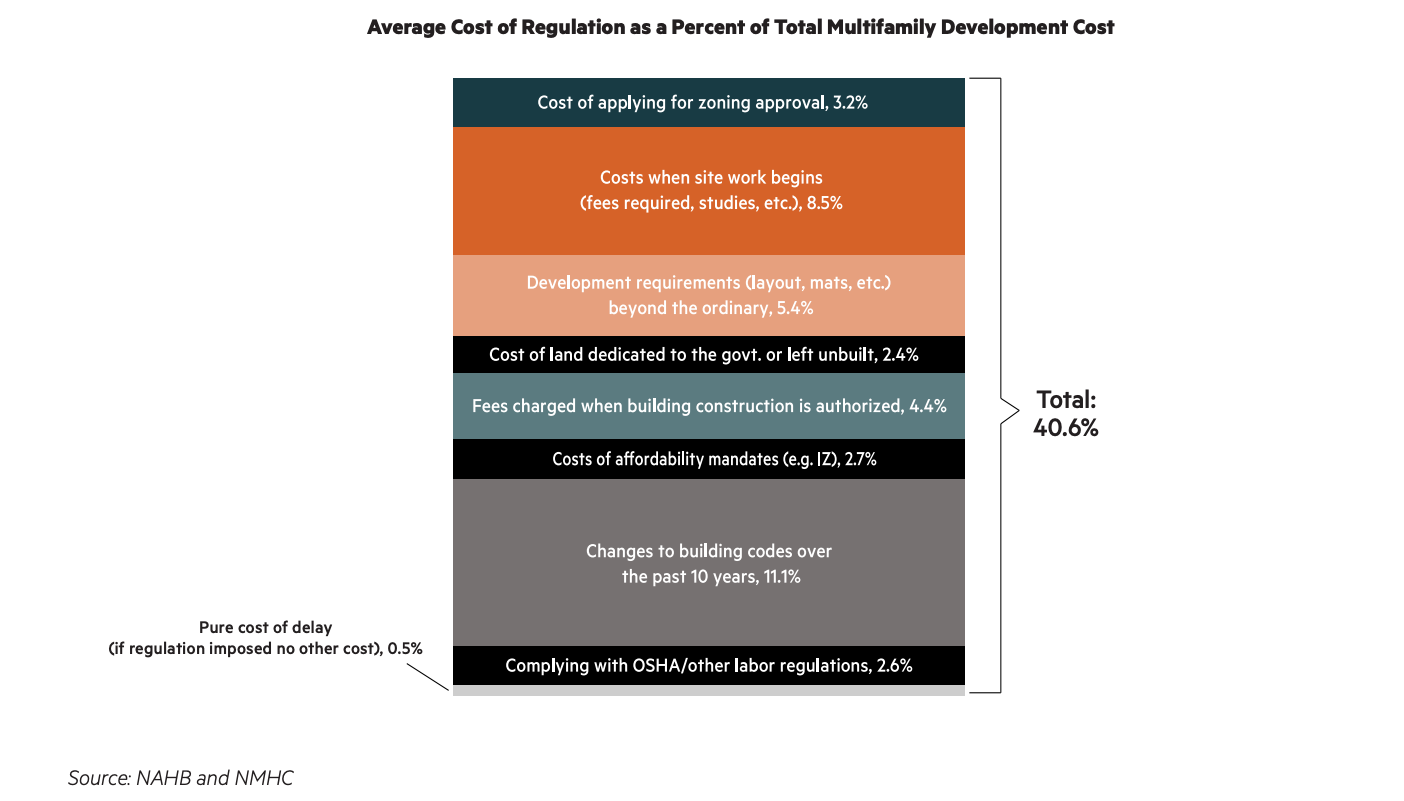
These are line items that kill projects.
Capital is already flooding into AI-for-permitting. PermitFlow announced a $54 million Series B in December 2025 led by Accel, building on 10x revenue growth and a roughly $500 million valuation. The company says it has powered more than $20 billion in construction value nationwide. Cities are buying in too. Louisville launched a Govstream.ai pilot in January 2026 to analyze city codes, spatial data, and permit records to identify bottlenecks. In Hernando County, Florida, an AI platform called SwiftGov cut zoning review times from 30 days to two, saving an estimated $1 million and expediting approvals for over 6,000 single-family homes after hurricane damage. Austin, Seattle, Honolulu, Boston, Los Angeles, and Bellevue have all introduced or piloted AI permitting tools.
The market has accepted software as a legitimate layer around permitting workflows. But almost everyone is helping process permits. Very few are building a developer-side intelligence product around actual approval outcomes.
Where the Current Market Stops
Today's tools do one of three things.
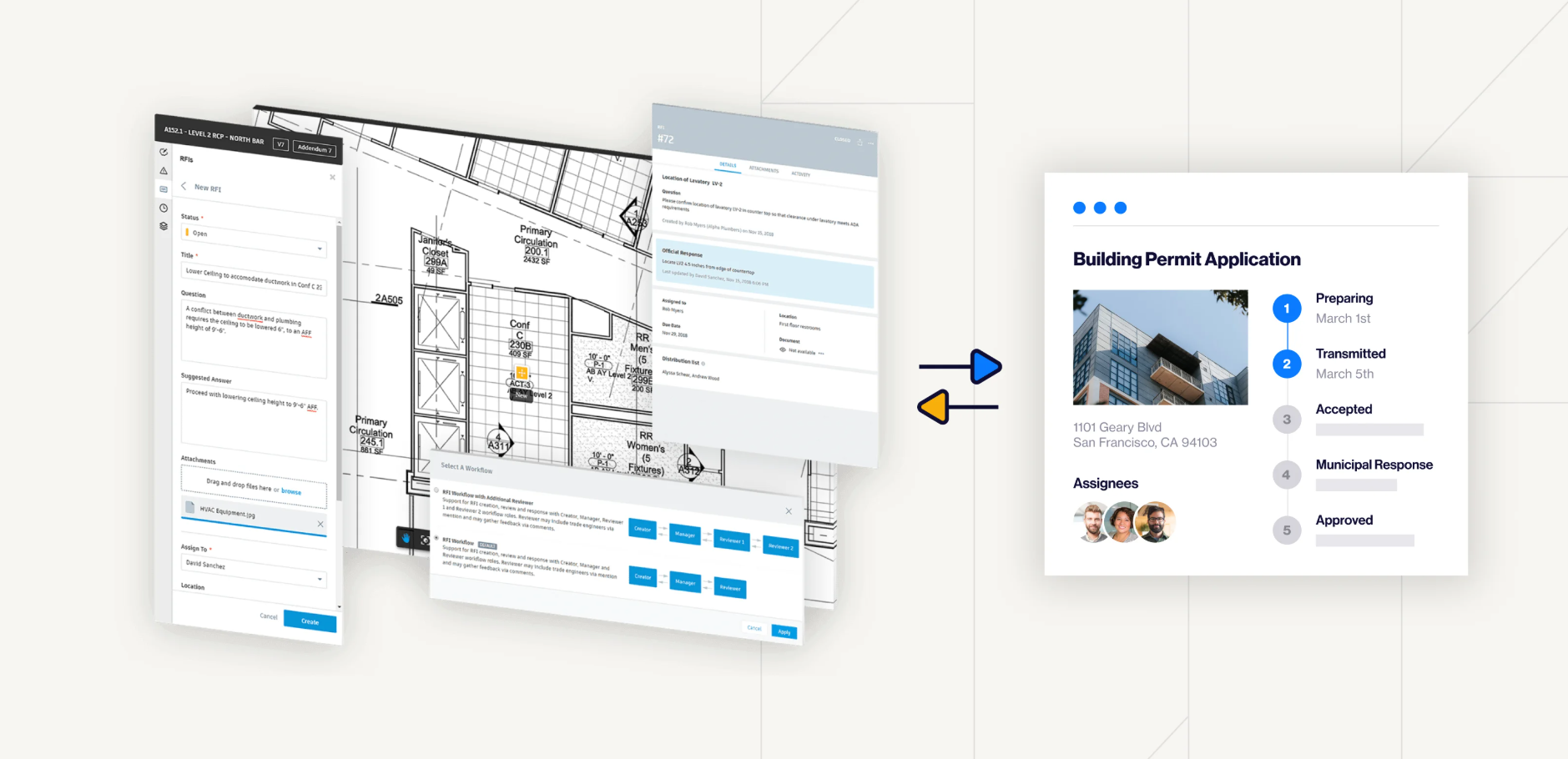
They help applicants submit permits faster. PermitFlow is the cleanest example: preparation, submission, tracking, workflow automation. Good business. Big market. But fundamentally an execution layer.
They help cities explain their own rules more clearly. OpenCounter's ZoningCheck lets applicants see where a project is allowed and translates land-use jargon into plain English. Useful, but still a "what does the code say?" tool.
They facilitate public-records requests. MuckRock helps file, track, and publish requests. Essential transparency infrastructure, but it's a request-management product, not industry-specific decision intelligence.
Nobody has built the Bloomberg Terminal for local approvals. Not code lookup. Not permit workflow. Approval intelligence.
The Insight
The city's written rules are not the real product. The city's revealed preferences are.
Every planning board, zoning board, and building office has an unwritten model of what it likes, what it tolerates, what language gets attention, what mitigations calm opposition, what drawings repeatedly trigger revisions, and what kinds of community-benefit framing play well in staff reports and hearings. That knowledge is extremely valuable, and it's scattered across PDFs, meeting minutes, application packets, hearing recordings, and correspondence buried in municipal filing systems.

The best product is a "what actually works here" engine. For a developer, the question is rarely "what does the ordinance literally allow?" The real questions look more like:
- Which projects similar to mine got approved recently?
- What narrative did they use?
- What concessions or conditions were imposed?
- What objections came up, and from whom?
- What did staff praise in their report?
- What made the file feel complete enough to move forward?
- How long did that path take?
Once you answer those questions at scale, you move from software into underwriting. You're no longer selling admin efficiency. You're selling probability and precedent.
Framing Matters: Don't Call This "FOIA-as-a-Service"
If you market this as request automation, you cap yourself immediately. That sounds like a low-margin tool for journalists and activists. It sounds tedious. It sounds generic. And it invites the wrong comparison set.
The correct framing is something like Municipal Approval Intelligence, Entitlement Intelligence Platform, Local Permitting Risk Engine, or Zoning Brain for Developers.
Public-records requests are just one data acquisition channel. The smartest version of this business uses four intake streams:
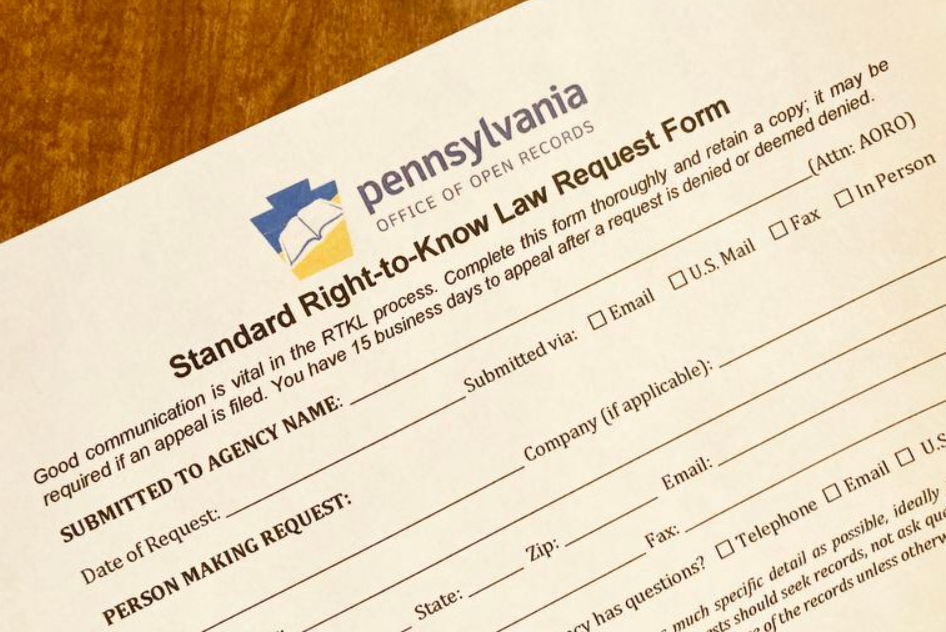
- Public-records requests under state and local laws, for depth and validation.
- Published documents like agendas, minutes, board packets, staff reports, and hearing transcripts, for speed and breadth.
- User-contributed files including application packets, approval letters, and denial letters, to crowd-source coverage from paying customers.
- Municipal portals and public datasets like GIS layers, zoning lookup tools, parcel data, and permit databases.
That mix matters because request-based collection alone is too slow to be the core of a responsive product. Published documents and contributed files keep the product current while records requests deepen and validate the archive over time.
The Best Wedge
Don't start with "all permits in America."
Start with one project type where delay is painful, language matters, comparable outcomes matter, and projects repeat often enough to justify subscription software.
ADUs and small residential infill in high-friction metros. California alone has generated a wave of state-level streamlining laws (SB 35, SB 423, AB 2011) that vary wildly in local implementation. Developers desperately need to understand how each city is actually applying these laws in practice.
Restaurant, hospitality, and change-of-use approvals in urban cores. A restaurant group opening its third location in a different municipality faces a completely different approval landscape. The ability to see comparable approved projects — with conditions, timelines, and typical objections — is immediately monetizable.

Small multifamily and mixed-use entitlement packages. These are the projects where holding costs during delays run into the hundreds of thousands. One month of avoidable delay can easily exceed the annual cost of your software.
Special-use permits and variances for repeat local operators. Any business that regularly navigates discretionary approvals — from gas stations to medical clinics — is a natural subscriber.
The economics are straightforward. If a small developer, architect, or permit expediter avoids one failed submission, one redesign cycle, or one month of unnecessary delay, the software pays for itself immediately. A generic national dashboard is weak. A brutal, useful, city-by-city playbook is strong.
What the MVP Should Actually Do
The first version should ingest a limited set of jurisdictions (three to five metros, one or two project types) and produce a structured dossier for each relevant approval path.
Six components make the first version work. They build on each other — and the last two are what keep customers paying.
Unlock the Vault.
Join founders who spot opportunities ahead of the crowd. Actionable insights. Zero fluff.
“Intelligent, bold, minus the pretense.”
“Like discovering the cheat codes of the startup world.”
“SH is off-Broadway for founders — weird, sharp, and ahead of the curve.”


