


Twenty-five-year-olds are buying chondroitin gummies—not because their knees hurt, but because they might hurt later.
Gen Z turned skincare into a $500B obsession, started Botox at 22, and made "preventative health" the default mode for everything from sleep optimization to gut microbiomes. They've trained themselves to invest in futures markets for their own bodies. Now they're coming for their joints.
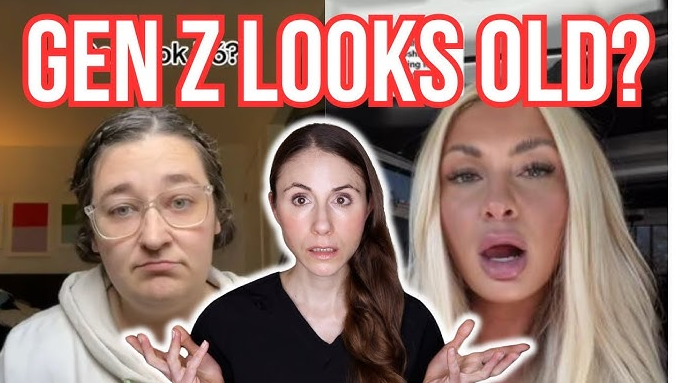
The bone and joint supplement market hit $14.17B in 2024 and projects to $27.16B by 2033—7.6% CAGR. Joint health supplements specifically pulled $2.2B in U.S. sales in 2022. The signal broke through TikTok first—chondroitin supplements trending as Gen Z's preventative play. Industry researchers flagged it explicitly: nearly 20% of Gen Z actively used bone and joint supplements in the past year, with younger millennials showing even higher adoption. The category isn't just shifting younger—it's being redefined.
The company isn't chondroitin gummies. The company is Mobility Aesthetics—daily routines, visible rituals, identity-coded prevention. Turn "joint health" into something people post about, not hide in their medicine cabinet.
Why this window exists (and why it won't last)
The customer already exists—they just don't have a brand yet
Pickleball alone hands you 19.8 million Americans who played in 2024—311% growth in three years. The 25–34 age bracket is the largest segment with 2.3 million players, and over 70% of all participants are 18–44. The average player age dropped from 41 in 2020 to 34.8 today.
These aren't Sunday retirees. They're doing explosive lateral movement on hard courts 8+ times a month. They're rec-league athletes juggling desk jobs and training 3–5x weekly. They're already conditioned to "optimize everything"—sleep scores, gut health, metabolic markers. Joints were the last frontier.
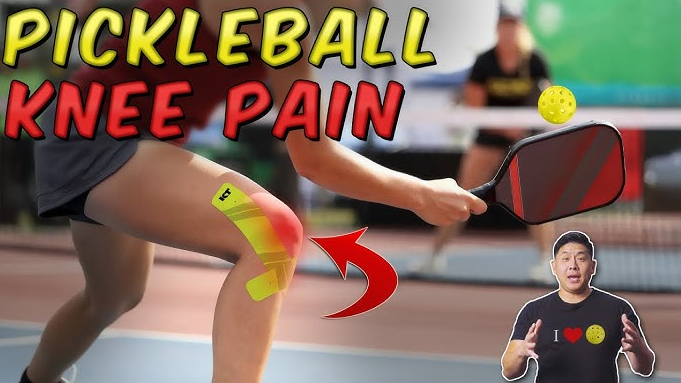
Add desk workers training hard (wrist/neck RSI epidemic among creators and knowledge workers), gamers and streamers treating wrist pain like an occupational hazard, and CrossFit/F45/boutique fitness crowds doing high-impact work their grandparents never attempted.
McKinsey's 2025 wellness survey confirmed it: Gen Z and millennials drive 41% of annual wellness spend despite being 36% of the adult population. They're "maximalist optimizers" conducting extensive research, experimenting widely, expecting measurable outcomes. Appearance now ranks among their top three wellness priorities alongside health and sleep.
Product-culture fit beats product-market fit. You're not selling to "people with joint pain." You're selling to people whose identity includes being proactive, optimized, and visibly invested in their future selves.
The category is catastrophically misbranded
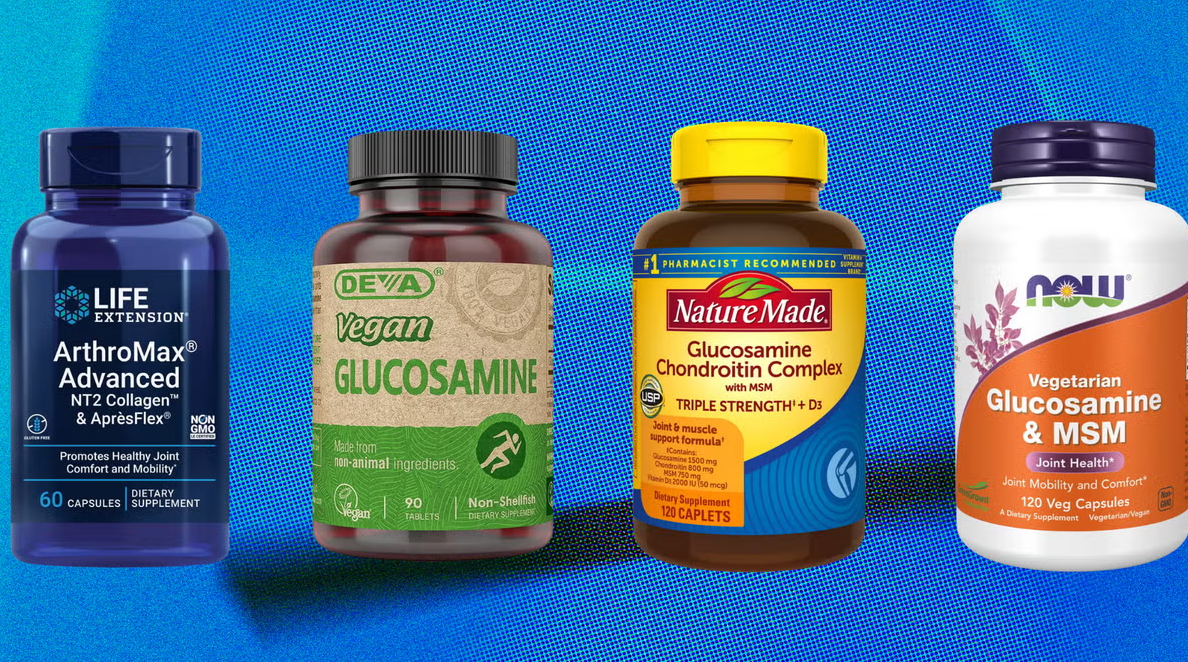
Walk into CVS. Joint supplements live in beige bottles next to adult diapers. Branding screams "you're old and broken." Messaging is reactive: "relieve discomfort," "ease stiffness."
Meanwhile, younger buyers are trained on proactive prevention. They don't wait for problems—they stack supplements to avoid them. AG1 ($99/month) positioned as foundational daily nutrition. Collagen as ingestible skincare. Longevity stacks optimizing cellular health before metabolic decline.
The same consumer buying $47 greens gummies and $79 Athletic Greens subscriptions will absolutely pay premium for joint prevention positioned as mobility optimization. Average U.S. supplement spend is already around $50/month—your pricing isn't the barrier, your positioning is.
The market gap is pure branding arbitrage. The brands winning in youth wellness—AG1, Vital Proteins, Amazing Grass—aren't in this lane yet. Tylenol just launched "Proactive Support" supplements in June 2025, finally acknowledging the shift from reactive pain relief to daily prevention. Even pharma giants see it.
The science being "mixed" is the actual moat
Multiple studies on glucosamine/chondroitin show modest improvements for osteoarthritis but inconsistent clinical significance. A 2022 meta-analysis of nearly 4,000 knee OA patients found limited evidence of major benefit. One 2016 study stopped early because supplement users reported worse symptoms than placebo.
This forces you away from miracle claims and into the real business model: You don't win selling the ingredient. You win owning the protocol.
Skincare worked the same way. Retinol's efficacy is proven. Hyaluronic acid has clinical backing. But The Ordinary didn't win on ingredients alone—they won by democratizing routines, making serums feel like steps in a visible system. Glossier made "skin first, makeup second" an identity.
Mobility Aesthetics works identically. The product is the ritual anchor. The score personalizes it. The routine makes it visible. The data creates the moat.
The Heist (staged execution)
Fast Heist (Months 1–8): Ship the wedge, own the moment
This is the "capture mindshare while chondroitin is trending" play. Follow this simple first step.

Unlock the Vault.
Join founders who spot opportunities ahead of the crowd. Actionable insights. Zero fluff.
“Intelligent, bold, minus the pretense.”
“Like discovering the cheat codes of the startup world.”
“SH is off-Broadway for founders — weird, sharp, and ahead of the curve.”


