


Something broke in American homes between 2010 and now. Parents know it. The data confirms it. And nobody has built the product that actually fixes it.
83% of parents believe their kids' mental health is getting worse. 69% cite screen time as the top health concern facing children today, per a 2025 University of Michigan poll.
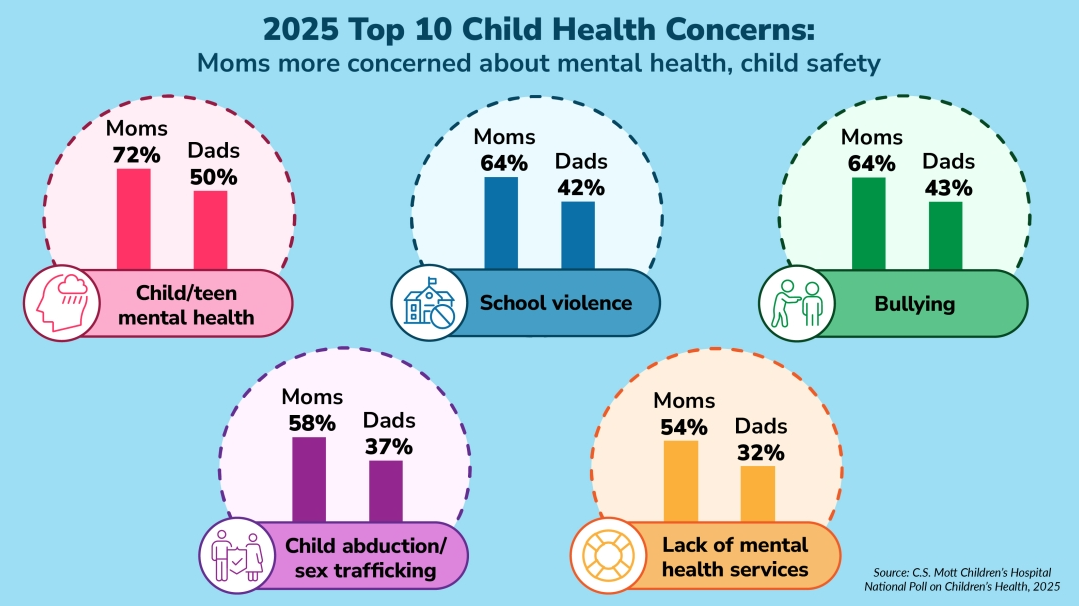
Kids aged 8 to 12 average 4 hours and 44 minutes of daily screen time. Teens clock 7 hours and 22 minutes. 49% of parents rely on screens daily just to survive parenting—and 60% feel guilty about it, per Lurie Children's Hospital.
Guilt doesn't solve problems. Rules don't hold. Willpower runs out around 6pm.
> $19/month digital memberships
> $179/year physical subscriptions
> $15-25/month lock box with a $129-199 purchase
Lovevery proved parents will pay $80-120 per box for development-focused products. KiwiCo built a business at $24-30/month. You're targeting the same demographic at lower entry pricing with a clearer behavioral outcome: measurable boredom tolerance.
The market timing is perfect. Jonathan Haidt's The Anxious Generation shifted the conversation from "screen time is probably fine" to "screens are rewiring developing brains." As of late 2025, 30+ states have passed school phone bans. Parents who felt alone in their anxiety suddenly have permission to push back.

Between what parents want and what exhaustion forces lies a category-creating company.
The category play nobody's building
You're building a behavior-change system that makes boredom practice enforceable when parents are too tired to negotiate. Three components:
Permission structure: "You're not failing. This is hard. Here's the protocol."
Progressive framework: "Start with 5 minutes of boredom. Then 10. Then 20."
Physical enforcement: "The house rule holds—even when you're exhausted."
Wrap this in a viral wedge product people screenshot and share. The durability comes from making the system stick.
The wedge: A subscription kit containing almost nothing
The launch product should feel counterintuitive enough to spread organically.
A quarterly kit shipping humble materials: a block of wood, cardboard, yarn, sandpaper, a magnifying glass, objects you can't immediately identify.

The ritual it triggers is the value:
- Parent script card: "What to say when they complain / What never to say"
- Boredom stamina tracker: "Solo play: 5 minutes → 10 → 20 → 30"
- House protocol cheat sheet: "Screens go away. Kit comes out. Timer starts."
You're selling psychological permission. A new parental identity: the kind who can tolerate boredom.
Parents will post this. They posted sourdough starters and cold plunges. This is the status object that signals countercultural parenting.
Subscription boxes churn. The wedge gets people in. The enforcement layer keeps them paying.
The real product: Household infrastructure for attention
Parents can't be the negotiation point every night. Software limits get overridden. Promises get broken. Verbal agreements collapse under pressure.
You need something that removes the parent from being the villain.
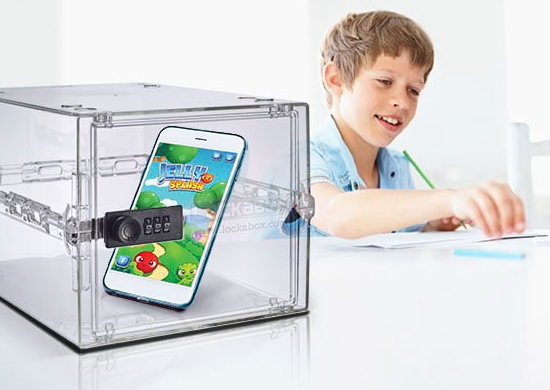
The breakout SKU: Screen-Time Lock Box
Unlock the Vault.
Join founders who spot opportunities ahead of the crowd. Actionable insights. Zero fluff.
“Intelligent, bold, minus the pretense.”
“Like discovering the cheat codes of the startup world.”
“SH is off-Broadway for founders — weird, sharp, and ahead of the curve.”


