


The year is 1984. Carnegie Mellon. A strange little experiment.
Researchers paired novice chess players with an early computer assistant—one of those boxy, humming engines descended from Ken Thompson's "Belle." The machine could out-calculate entire clubs.
The assumption was obvious: human + computer beats human alone.
Except it didn't. The novices got slaughtered.

They didn't know which positions mattered. So they fixated on the wrong suggestions. The computer didn't correct their instincts—it amplified them. Meanwhile, the masters didn't need the silicon at all. They had something the machine couldn't fake: taste. Pattern recognition. A feel for what's cliché, what's dangerous, what's artful.
One researcher nailed it:
"A tool without judgment just accelerates your mistakes."
That's the uncomfortable truth about intelligence. More isn't always better. The difference between genius and garbage? Knowing what not to do when the machine sounds confident.
That 1984 experiment wasn't about chess. It's about every creative field happening right now.
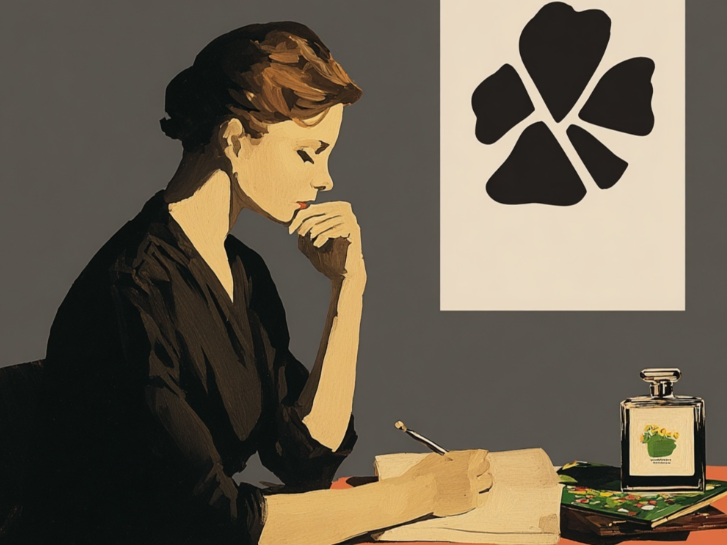
Most AI tools are the novice with a computer. Confident. Fast. Completely blind to taste. They can't tell a niche fragrance accord from a Yankee Candle knockoff. They don't understand why a low-magic TTRPG campaign falls apart the second you let a model add dragons.

But here's the thing: the Harvey moment already happened. A vertical AI built just for lawyers hit $5B valuation—after sprinting from $10M to $100M ARR in 36 months. Enterprise buyers stopped paying for generic intelligence. Now they pay for domain-specific judgment.
The creative world wants its version. AI that speaks a subculture's dialect. That critiques clichés. Knows the canon. Helps people make original work instead of beige soup.
That's the opportunity: Micro-Muses. Taste engines built for the weird, the niche, the craft-obsessed.
Read the full playbook here:
Vertical AI hit $5B in legal. The $115B market is expanding at 24.5% CAGR—but creative micro-cultures remain underserved by generic tools.
From the Vault:


Childcare costs jumped 29% since 2020. Parents want hands-on activities but can't bridge the gap between Pinterest inspiration and Tuesday-night execution.


