


On November 10, 2022, a writer named Sean Morrow paid $8 for a Twitter Blue checkmark and tweeted nine words from a fake Eli Lilly account:
"We are excited to announce insulin is free now."
The tweet stayed up for six hours. Lilly executives called Twitter to get it removed. Nobody picked up. By the next morning, the stock had dropped over 4%, erasing roughly $15 billion in market cap. Novo Nordisk and Sanofi got dragged down with it.

Not a single investor actually believed insulin was free. The stock didn't crash because anyone was fooled. It crashed because the conversation (outrage, memes, insulin pricing discourse, you name it) moved faster than any corporate comms team could respond. The narrative became ungovernable.
In real-time moments, the absence of trusted context can get pretty expensive.
Now multiply that across every live event. Millions of people holding their phones, watching a screen, trying to make sense of what just happened across six apps and seventeen tabs. The broadcast shows one angle. The group chat is chaos. The sportsbook app has odds but no explanation.
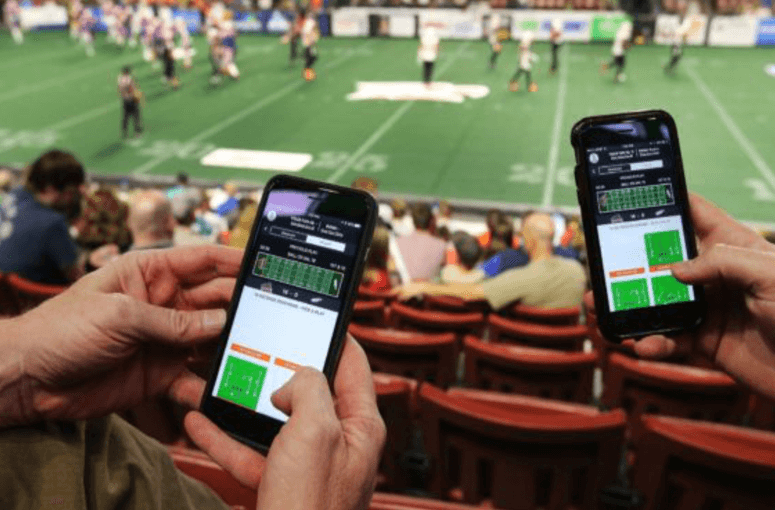
All those little pieces of information exist. Nobody's stitching them together.
Americans wagered an estimated $1.76 billion on Super Bowl LX alone — a record, up 27% year-over-year. Prediction markets just attracted $2 billion in institutional capital. Nearly 40% of young fans use multiple devices during live events.
There's a real business in becoming the Bloomberg Terminal for live moments — packaging real-time context into something people will pay for. We mapped out a path to $50K+ monthly recurring revenue within six months, starting with an MVP you can ship in weeks.
Read the full playbook here:

Multi-device sports viewing hit 29% globally while Bluesky opens live-event distribution. The real opportunity is the structured intelligence layer nobody owns yet.
From the Vault:

Fortune 500s lose $31B yearly to organizational amnesia while RAG implementations fail on governance gaps. Build the governed event graph of decisions and incidents that becomes required infrastructure.

83% of parents say screens are worsening kids' mental health yet half rely on them daily—nobody sells the enforcement protocol for when willpower fails.


