


Scroll through your feed and count how many videos have that certain look. The precise 0.5-second transitions. The text that floats in at just the right moment. The pacing that somehow feels engineered.
That's not talent. It's software.
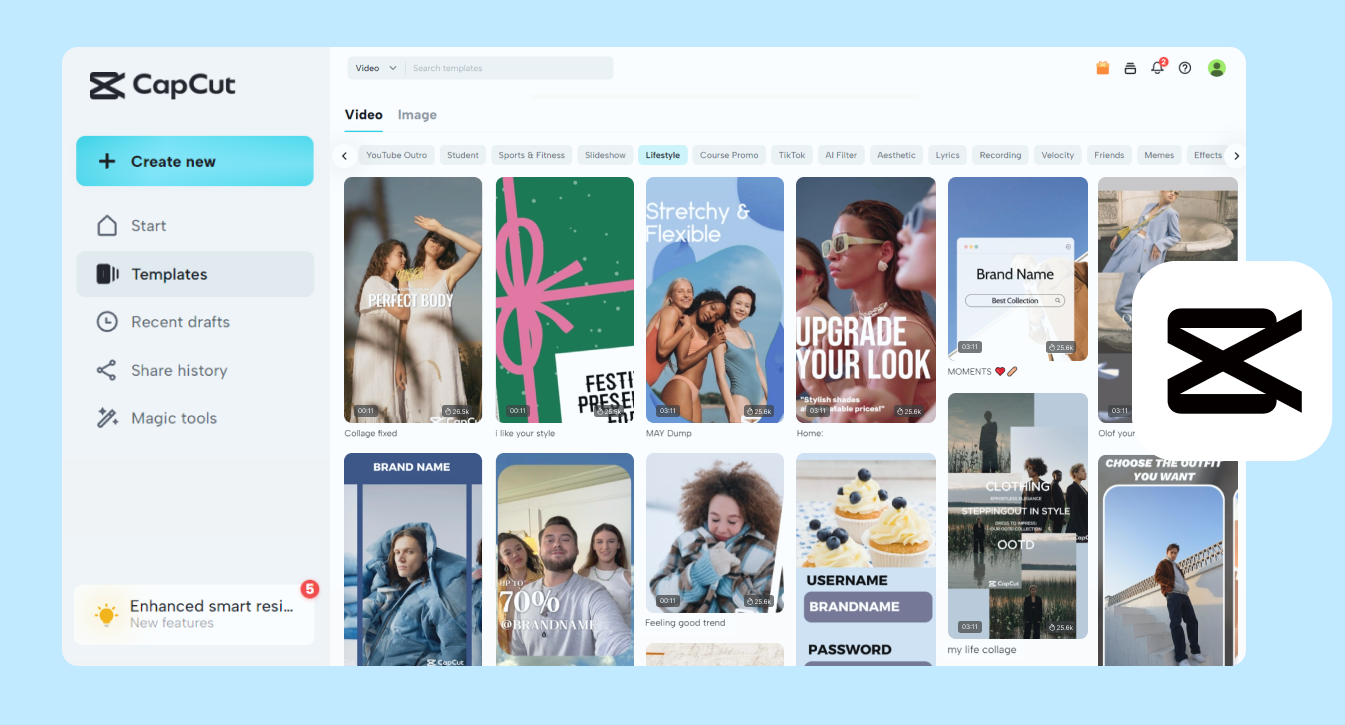
CapCut templates operate less like presets and more like distributed apps. Each template asks for inputs—add 2 clips here, 13 clips there—and outputs a finished video with built-in telemetry. Usage metrics, creator attribution, share counts. All public. You can browse templates by performance the same way you'd browse GitHub repos by stars.
The top templates? Tens of thousands of uses. Some hit six figures.
CapCut claims 1.4 billion downloads globally and over 300 million monthly active users as of 2024. It's the second most-downloaded ByteDance app after TikTok. The platform hit $59 million in net revenue in Q1 2024 alone—then kept accelerating. By July 2024, monthly revenue reached $17.6 million. Industry reports put CapCut's total 2024 revenue at approximately $1.4 billion, trailing only TikTok among ByteDance properties.
CapCut is openly building an economy around template creation. The U.S. CapCut Template Creator Program pays creators based on template performance, with tiered programs—Viral, TikTok Army, specialized groups—each offering increasing payouts and visibility. Payments range from $5-$100 biweekly for templates meeting usage thresholds—supplemental income, not primary revenue. Elite creators get cash rewards, template boosting, free Pro subscriptions, and spots in CapCut's marketing campaigns.
There's also a referral program where template creators earn by bringing other creators into the ecosystem. Stack that with CapCut's affiliate program—offering up to 35% recurring commission on CapCut Pro subscriptions—and you're looking at multiple revenue streams from a single distribution channel.
The platform is waving a flag: We will pay people who drive usage.
The Infrastructure Opportunity
Most people selling templates are selling one-time downloads. Bundle of 50 templates, $29, done. The customer downloads, maybe uses three, forgets the rest. No recurring relationship. No data on what actually works.
Build Template-as-a-Service: a weekly subscription delivering niche-specific template bundles, matching hook scripts, on-screen text overlays, and a 7-day posting calendar.
You're selling: "I can post 5 times this week without thinking."
Market Timing
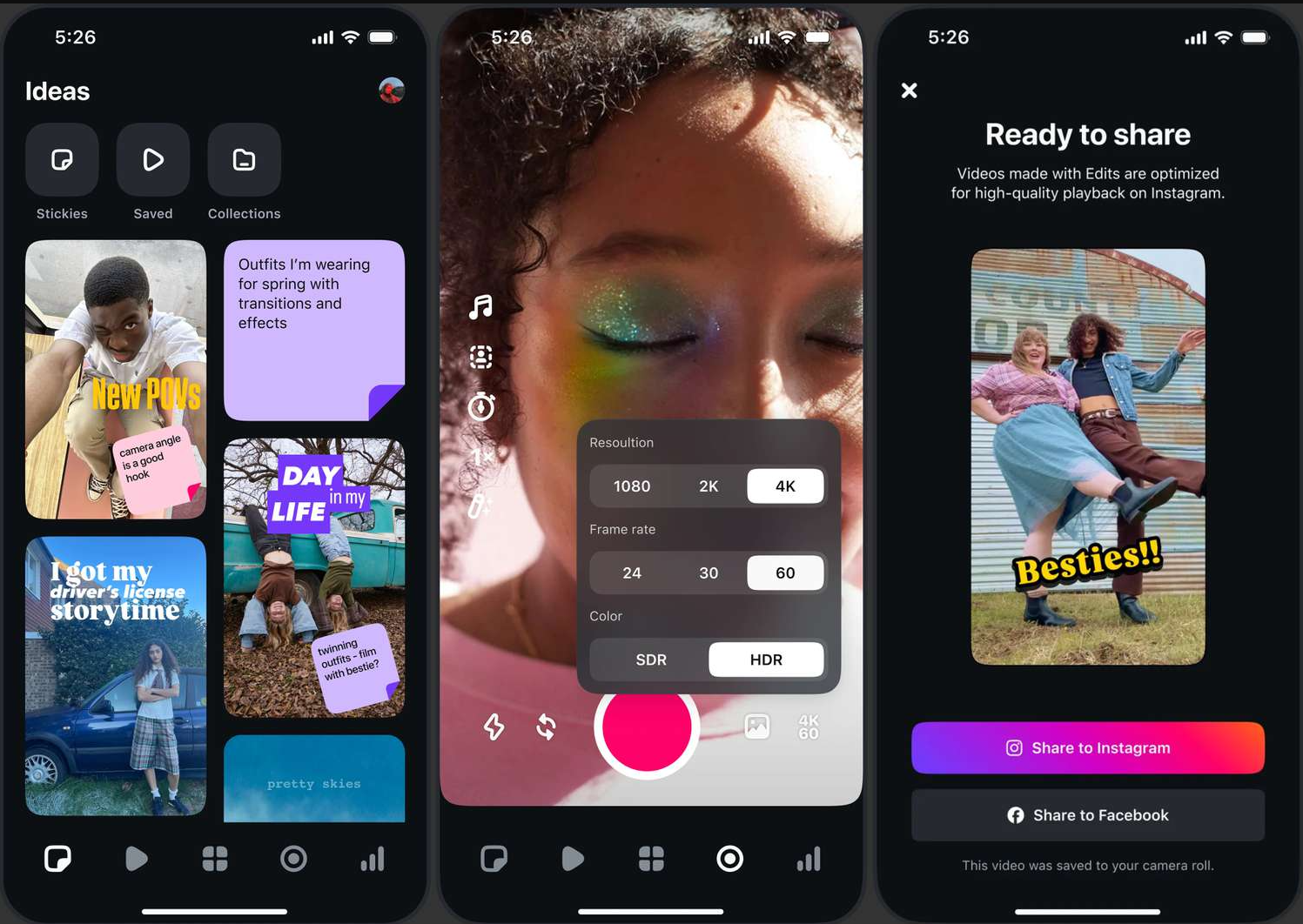
Meta launched Edits in April 2025 as a direct CapCut competitor, explicitly positioning it for short-form creators. When Meta builds a copycat, that's market validation. The template layer is becoming editor-agnostic infrastructure, not a CapCut feature.
CapCut's template economy isn't speculative. The platform has documented creator programs, performance-based payouts, and public usage metrics. Templates with 50,000+ uses aren't anomalies—they're proof that distribution beats creation.
Smaller influencers deliver better ROI than celebrities. A 2024 American Marketing Association study found micro-influencers convert more cost-effectively than macro accounts. You don't need MrBeast. You need 50 fitness trainers who post 3x weekly and have 5,000 engaged followers each.
Creators face chronic posting pressure but declining organic reach. Bank of America Institute research from late 2024 showed creator income peaked in September 2021. The average full-time U.S. employee makes 5x what the typical content creator earns monthly. The creator economy hit $300 billion in 2024, but 73% of creators earn below $30,000 annually. Paid partnerships are down. Competition is up. Creators need consistent content velocity without burning out.
Two Execution Paths
Path 1: The Quick Start (2-4 weeks to revenue)
You don't build software yet. You sell curation and taste.

Unlock the Vault.
Join founders who spot opportunities ahead of the crowd. Actionable insights. Zero fluff.
“Intelligent, bold, minus the pretense.”
“Like discovering the cheat codes of the startup world.”
“SH is off-Broadway for founders — weird, sharp, and ahead of the curve.”


