


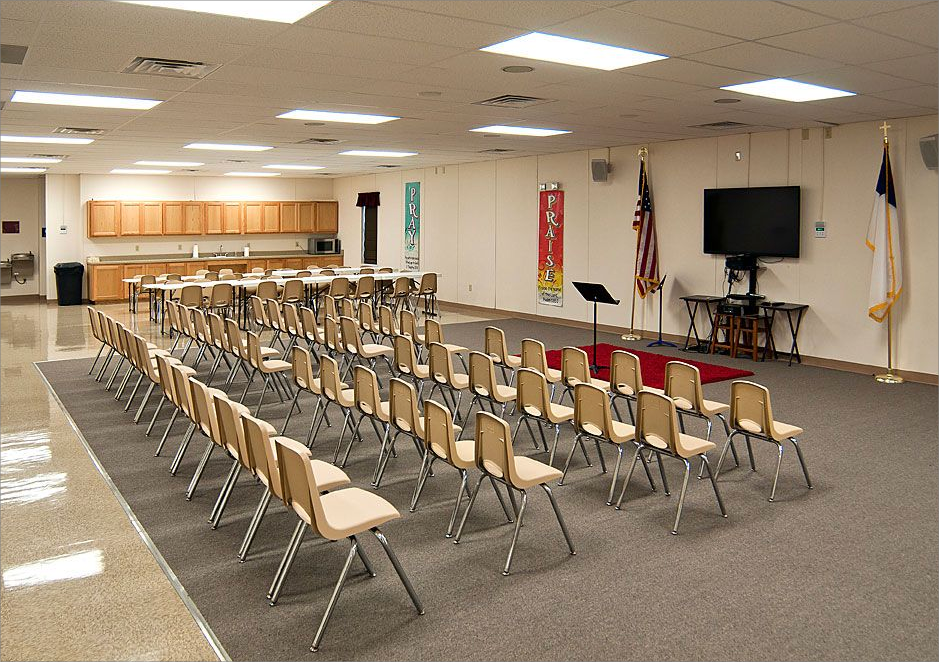
On a Tuesday morning in Phoenix, a church fellowship hall sits empty.
There's no choir practice. No bake sale. Just 3,000 square feet of code-compliant, sprinklered space… and a board staring at a shrinking donations chart.
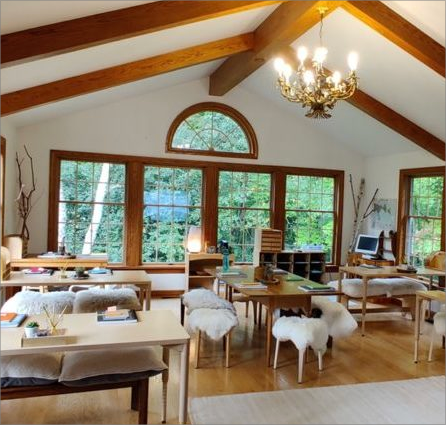
Two miles away, a former teacher runs a microschool out of her living room. Sixteen kids. ESA money flowing in. Parents thrilled.
But she's out of room, her HOA is furious about drop-offs, and her homeowners insurance policy doesn't actually cover "unlicensed quasi-school with daily carpool chaos."
They should obviously be doing business together. Except the pastor is terrified of liability. The teacher has no idea how zoning works. The city's planning office still thinks "microschool" means "that homeschool thing on Facebook." And every lawyer they talk to wants a thousand bucks just to start reading statutes.
That hairball of fear, paperwork, and "I don't want to get sued" is both the gap and the opportunity.
The Numbers: Microschools Are Past the Fad Stage
Microschools went from pandemic hack to legitimate parallel education system.
Around 750,000 U.S. students now attend microschools—roughly 2% of the school-age population. That's nearly double since 2020. (The 74 Million)
Some 95,000 microschools operate nationwide, serving communities from Phoenix to Vermont. (National Microschooling Center)
The median microschool now serves 22 students, up from 16 just a year ago. Some are pushing 100+ students. This isn't tiny pods anymore—it's an infrastructure play. (The 74 Million)
Most operate in commercial spaces (41%), but a surprising number run out of private residences (28%) or houses of worship (25%). (Stateline) That third bucket—churches—is critical. Churches have the space. They need weekday revenue. But they're sitting on the sidelines because nobody's solving the legal mess.
The Fuel: School-Choice Money Is Real
Education Savings Account (ESA) and voucher programs shifted from fringe experiment to political default.
At least a dozen states now run universal or near-universal ESA programs: Arizona, Arkansas, Florida, Iowa, New Hampshire, North Carolina, Tennessee, Texas, Utah, West Virginia, Wyoming. (ESA Tracker)
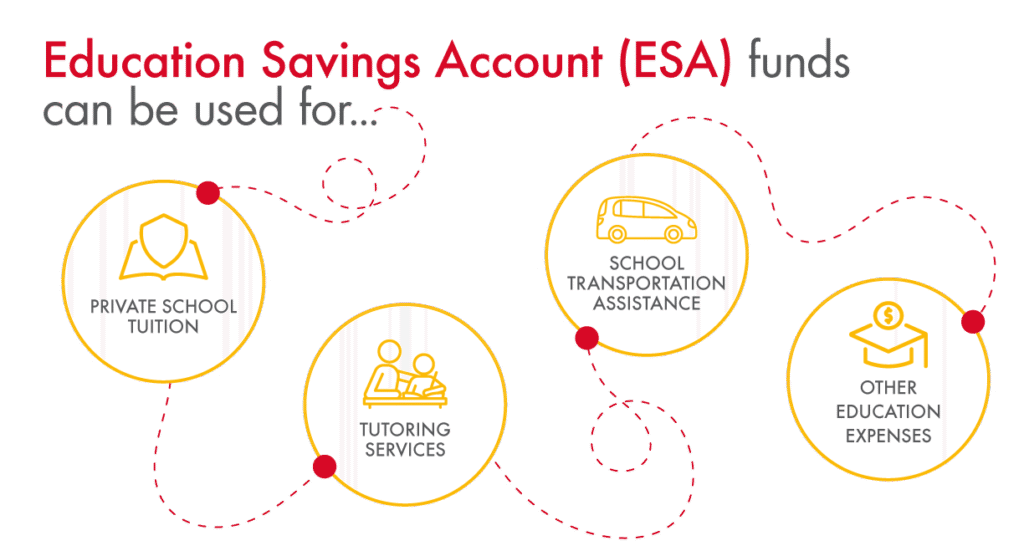
The funding is real. Iowa gives families $7,988 per student. Arizona averages $7,000-8,000 (more for special needs kids). Utah offers $8,000. Florida runs around $8,000. Alabama's launching in 2025 at $7,000 per student. (EdChoice, Navigate School Choice)
Thirty-eight percent of microschools now receive state school-choice funds, up from 32% a year ago. (The 74 Million)
Parents are voting with their feet and their tax dollars. Traditional districts are bleeding enrollment. Microschools and pods are one of the main destinations. (Stateline)
The system has turned from "COVID panic" to fully re-wiring of how K-12 money flows.
The Real Bottleneck: Legal Terrain, Not Empty Rooms
Everyone loves the trope: "There are so many empty church basements, YMCAs, karate studios—we just need a marketplace to match them with microschools."
But discovery isn't the bottleneck.
Yes, there's space. Churches and community centers sit underutilized on weekdays. Median microschool size fits into a fellowship hall. But when you talk to people actually running these things, the hard part is navigating the legal minefield, not finding rooms.
Churches renting space remain on the hook for premises liability, child safety, fire code compliance, and potentially sales tax on rental income if documents and coverage aren't airtight. (StartCHURCH)
Microschools operating from residences face a different problem: they're often in a zoning gray zone. Traffic, signage, number of students, and "commercial use" rules all come into play. (TSH Anywhere)
In Utah, one microschool founder faced an estimated $500,000 to $1 million just to build a 1,000-square-foot structure that met school building codes. The county took 4-8 weeks to respond to simple questions. (R Street Institute)
There's no single "microschool law"—you're stitched into existing homeschool rules, private school statutes, childcare regs, and building codes that vary by municipality. (TSH Anywhere)
So instead of one clean national category, you get a patchwork of:
"Are we a daycare?"
"Are we a private school?"
"Are we a homeschool support center?"
"Are we just 'room rental' with kids in it?"
Nobody wants to be the test case in front of a cranky zoning board. Microschools are exploding faster than the legal infrastructure that defines where and how they're allowed to exist. That's your opening for the heist.
Repeat after me: Don't Build Airbnb for Classrooms
Prenda and friends already exist. Prenda gives guides curriculum, software, payments, training, even some marketing support to spin up microschools. (Prenda)
Others like Edefy and various platform-ish edtech plays want to be "the marketplace" for alternative education options.
And yes, people have tried "Airbnb for classrooms" as a phrase/pitch. You see it on every "20 startup ideas you can start this weekend" listicles.
But everyone's building the wrong layer.
They sell "education." You sell "not getting crushed by a lawsuit or zoning violation."
The most valuable product in this ecosystem is risk transfer + regulatory translation. You're not helping parents discover a cute room. You're helping a church board answer "Can we legally do this and keep our insurance?" and helping a microschool founder answer "What do I file, where, and in what order to be legit in this zip code?"
Legal-tech meets insurtech. So, it's a workflow play.
The Score: Build the Microschool Property Stack
Unlock the Vault.
Join founders who spot opportunities ahead of the crowd. Actionable insights. Zero fluff.
“Intelligent, bold, minus the pretense.”
“Like discovering the cheat codes of the startup world.”
“SH is off-Broadway for founders — weird, sharp, and ahead of the curve.”


