


Background & Thesis
Build the lifestyle routing layer that turns pickleball identity into senior-living move-ins.
Senior living operators pay $431 on average to acquire a single lead — dwarfing CPLs in business services ($229), software ($106), and home improvement ($85). Only about 30% of those leads ever convert. The average sales cycle for independent living runs 120 days, and nearly half of residents don't move in until two-plus years after starting their search. Operators are pouring money into a leaky funnel, competing with referral giants like A Place for Mom, a platform that collects roughly one month's rent per successful placement (often $3,500+) while facing a Senate investigation for steering families toward facilities based on commission size rather than care quality.
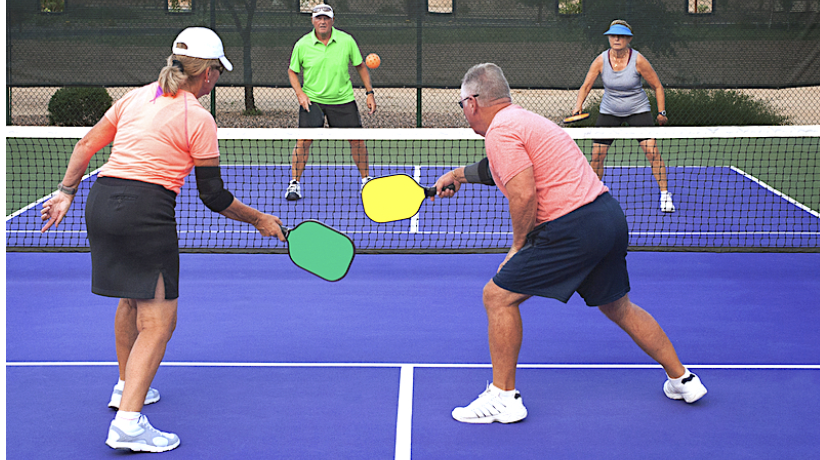
Meanwhile, SFIA's 2025 Topline Report counts 19.8 million pickleball players in 2024, up 45.8% year-over-year and 311% over three years. America's fastest-growing sport for the fourth consecutive year. Among core players (8+ sessions annually), adults 65 and older are the most concentrated group at 32.7%. These aren't dabblers. Retirees routinely play five days a week.
pickleball-first retirement living, monetized like a performance channel and standardized like a rating the industry starts referencing.
A lean pilot across 10 communities can hit $10K/month on tour fees alone. Layer in metro exclusivity retainers and you're looking at a $250K+ annual run rate before a single developer deal closes — in a market where each resident move-in generates $60,000–$70,000+ in annual revenue for the operator.
Why pickleball is a market-making signal
Most senior living search funnels are broad and care-level driven. Useful, but noisy. Pickleball cuts through because it bundles identity, routine, and community into a single self-declared filter.
It's sticky. Core players organize their weeks around court time. Research from the University of Miami found regular pickleball play significantly associated with lower depression in older adults. Players form identity around the sport.
It's social by design. Doubles play dominates, and courts are compact enough for mid-point conversation. At PebbleCreek in Arizona, more than 1,500 residents participate in pickleball activities. Communities report that pickleball clubs quickly become their most active social organizations.
It's locational. Courts, leagues, instructors, clubs — these are physical anchors. People choose where to live based on access, and real estate agents in 55+ markets report court facilities now rank among the top three amenities prospective residents ask about.
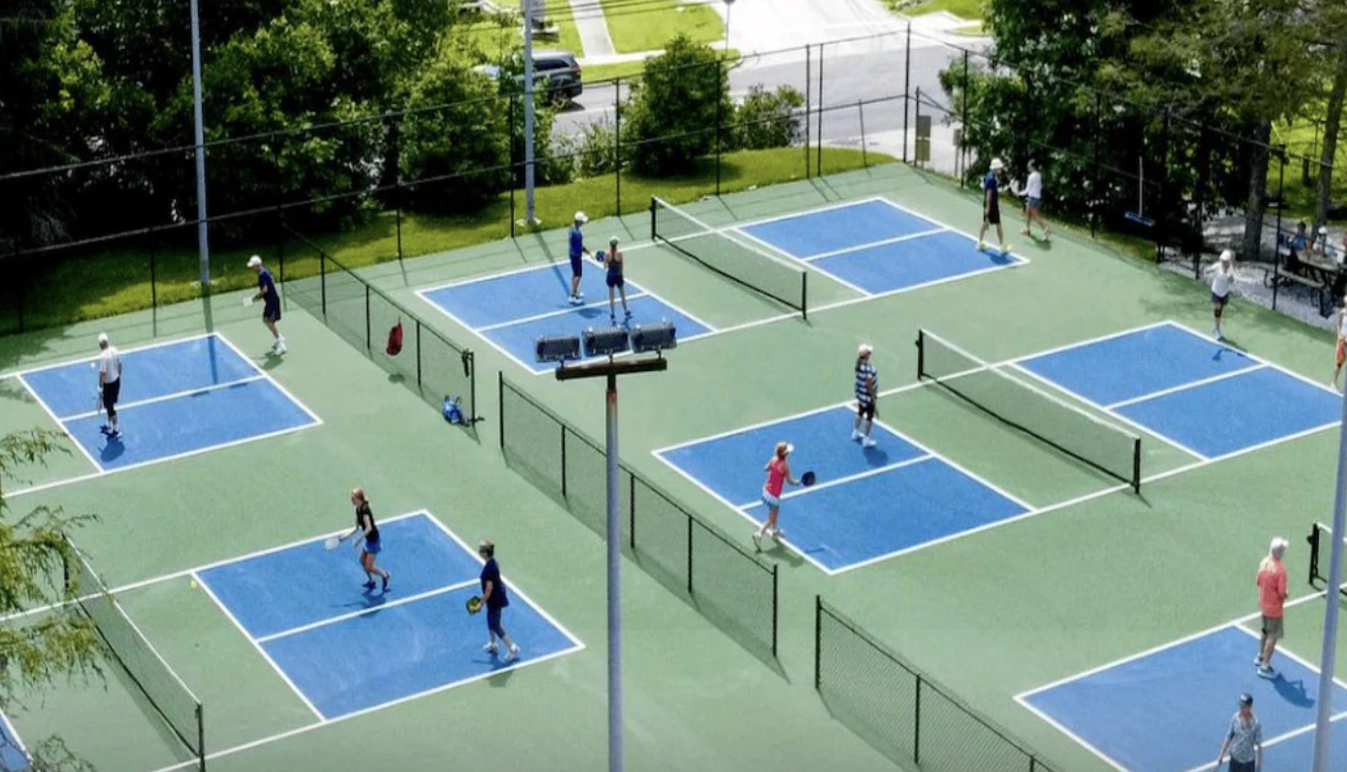
One caveat worth owning: participation data and amenity investment prove pickleball matters. They don't yet prove it's a top-three deciding factor in choosing where to live. For some prospects, pickleball will be the primary filter. For others, it's the tie-breaker that seals a decision already leaning their direction. Your quiz should accommodate both — lead with pickleball as the hero, but capture broader lifestyle preferences (walking trails, fitness programming, social clubs) so you can still match and monetize the second group. The data from your first 500 quiz completions will tell you exactly how to weight each signal.
What no generic aggregator captures are the psychographic layers underneath. Competitive ladder players behave differently than social mixers. Snowbirds behave differently than year-round movers. Adult children researching for a parent behave differently than self-directed retirees. These segments are gold for a matching engine.
That signal lets you do something A Place for Mom and Caring.com structurally cannot: match people to communities based on lifestyle fit, with price and care level as secondary filters.
Two tailwinds converging right now
Senior housing demand is at historic highs while supply craters. Occupancy hit 88.7% in Q3 2025, the seventeenth consecutive quarter of improvement. Independent living surpassed 90%. Active adult communities open at least two years are running near 96%. Meanwhile, new construction starts hit their lowest since 2009. Annual inventory growth dropped below 1% for the first time since NIC MAP began tracking in 2006. The Census Bureau forecasts 1 million additional 80+ households between 2023 and 2026, doubling to 2 million from 2026 to 2029. Operators are in a war for the right residents, and lifestyle-segmented, high-intent leads will command premium pricing.
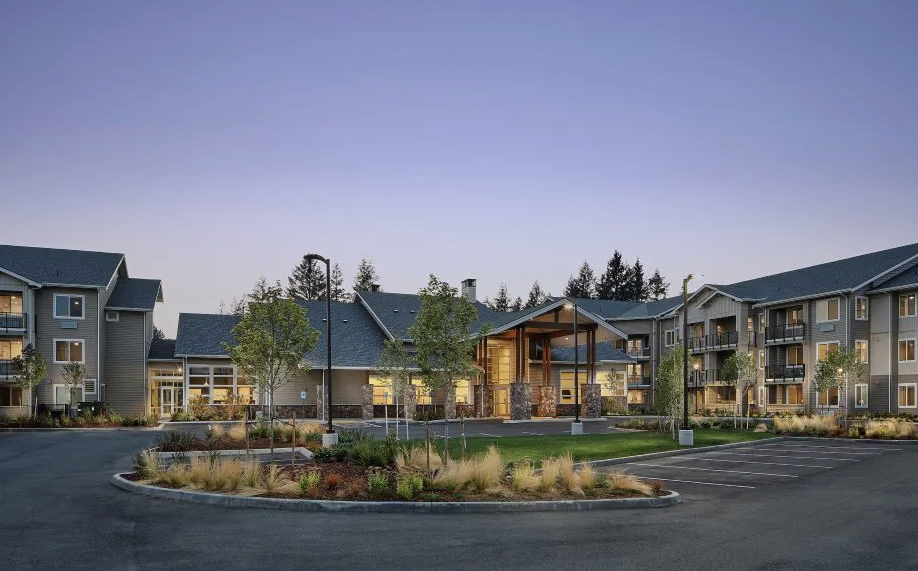
Pickleball is already reshaping how communities compete. Kolter Homes built a 27-court pickleball complex at PGA Village Verano in Port St. Lucie, marketing it as a signature amenity. The Villages boasts 100 courts. RDG Planning & Design is converting former skilled memory care facilities into wellness centers anchored by indoor pickleball. Courts cost $15,000–$40,000 each. Communities are making these investments because they work — but nobody is systematically connecting the demand side (pickleball-obsessed retirees searching for their next home) to the supply side (communities with credible programs). You're building that connection.
The real product: a move-in engine
The Pickleball Livability Index + Tour Booking
What your users get:

Unlock the Vault.
Join founders who spot opportunities ahead of the crowd. Actionable insights. Zero fluff.
“Intelligent, bold, minus the pretense.”
“Like discovering the cheat codes of the startup world.”
“SH is off-Broadway for founders — weird, sharp, and ahead of the curve.”


