


This is a deceptively simple heist. A solo founder with taste and a spreadsheet can build this to $1.5M+ in three years. Year one revenue target: $187K. By year three: north of $1.5M through affiliate commissions, consumer subscriptions, and B2B intel services. The playbook is below.
Trust collapsed somewhere around 2022. Fast. Suddenly. The whole discovery layer broke.
Reddit became the most-searched modifier on Google in 2023 — 32 billion times people typed "Reddit" after their query, desperate for real humans instead of affiliate links dressed up as reviews. Trust in social media influencers cratered: nearly half of consumers now actively distrust them, according to a 2023 survey. Meanwhile, 84% of Gen Z trust product reviews from niche online communities more than corporate advertising, per McKinsey's 2024 Trust Economy report.
The algorithm spent a decade rewarding one emotion: desire. "You need this." "Run, don't walk." "TikTok made me buy it."
Then the backlash arrived.
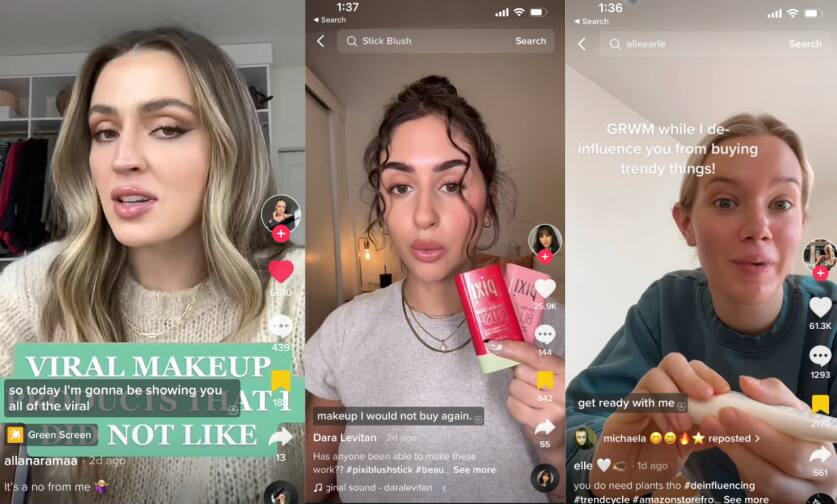
On TikTok, the #deinfluencing hashtag exploded — 582 million of its 584 million total views happened in just 12 months through May 2023, per the platform's data. By early 2024, views climbed past 1 billion. This isn't a cute trend. It's a structural response to trust collapse plus choice overload.
People don't want more products. They want fewer mistakes.
The winning media brand in 2026 isn't "Best of."
It's "Worst of… and what to buy instead."
The highest-trust voice on the internet isn't the influencer. It's the person brave enough to ruin the product launch.
Why This Prints
The de-influencing movement responds to a specific market failure: consumers can't trust the discovery layer anymore.
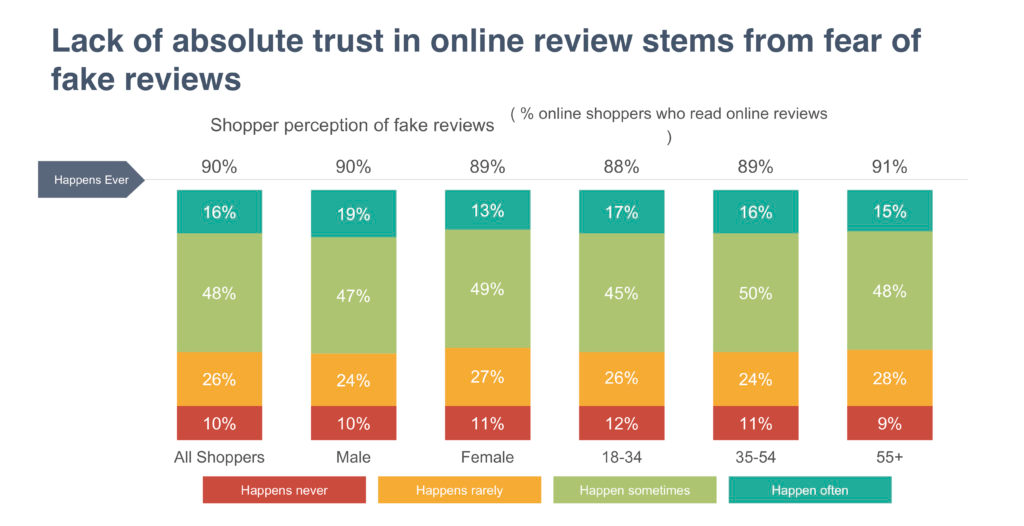
The numbers tell the story. 40% of social media users now believe search engines, influencers, and Amazon are "unsafe, impersonal, and untrustworthy" for product recommendations, per a Reddit 2024 study. Nearly half of Americans struggle to know which product review sources to trust. Meanwhile, 70% of Reddit users trust the platform more than other social media for product information. Influencers generate the highest level of distrust among all recommendation sources.
The cost of that broken trust shows up in returns. E-commerce return rates hit 20.4% in 2024, up from 8.1% in 2019, according to the National Retail Federation. Apparel returns run 24-40%, with 45% caused by fit and sizing issues. Total U.S. retail returns reached $890 billion in 2024. 51% of Gen Z practices "bracketing" — buying multiple sizes, planning to return most.
People are doing unpaid labor to validate purchases. They're manually triangulating Reddit threads, YouTube teardowns, and forum complaints to answer one question: "Is this gonna suck?"
That hesitation is worth money. 71% of consumers research a brand on Reddit after discovering it elsewhere. They're 46% more likely to trust brands advertising on Reddit versus other platforms. Users are 50% more likely to buy a product in the first 48 hours after researching on Reddit.
The Heist Angle: Unselling Is the New Selling
Everyone fights for attention at the top of the funnel.
You're building the thing that sits at the point of hesitation — the moment right before someone hits "Buy Now" and whispers: "...is this actually worth it?"
The business model is simple:
Unlock the Vault.
Join founders who spot opportunities ahead of the crowd. Actionable insights. Zero fluff.
“Intelligent, bold, minus the pretense.”
“Like discovering the cheat codes of the startup world.”
“SH is off-Broadway for founders — weird, sharp, and ahead of the curve.”


