


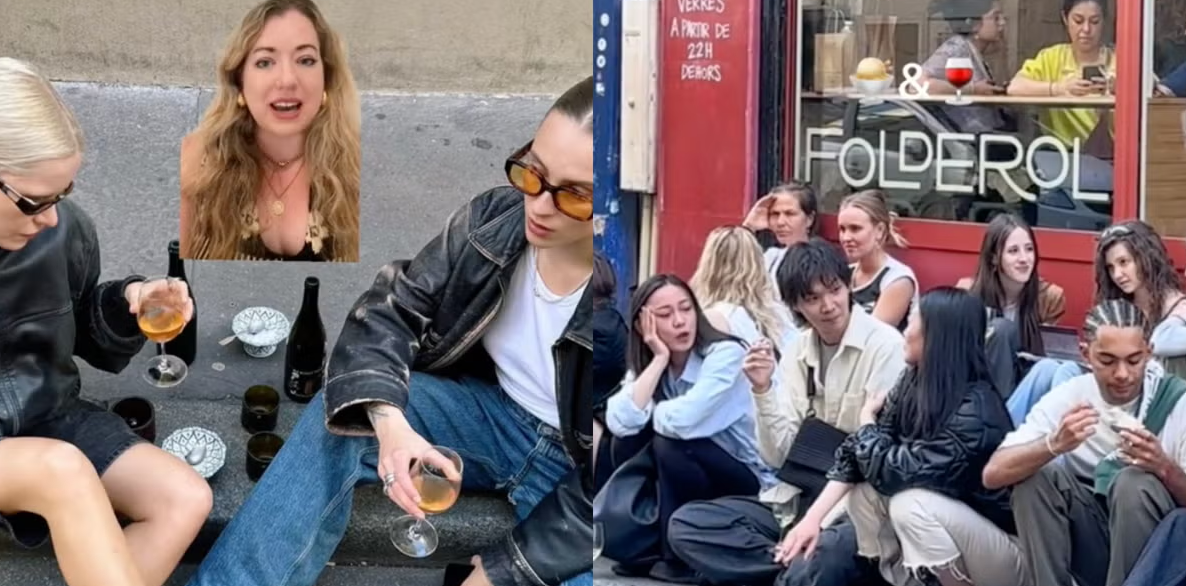
A Parisian ice cream shop hired a bouncer. Not for safety—for crowd control. Folderol, a wine bar and ice cream shop, became so overwhelmed by TikTok tourists that people stopped eating the ice cream. They just held it up for photos, let it melt into bowls, and left. The owners put up "No TikTok" signs. Then they banned sitting outside entirely. Finally, they hired security to keep the clout-chasers away.
The backlash wasn't about the shop. It was about what TikTok had done to it.
Late 2024, a shift surfaced. Creators started posting "Gatekeeping is Self-Care"—refusing to tag restaurants, trails, coffee shops, clothing brands. The comments section begged for links. But the creators didn't budge. They weren't being cruel. They were protecting what they loved from being strip-mined by the algorithm.
New York Magazine's The Cut identified this exact pressure—the TikTok-era demand to reveal every source, every location, every brand—and the growing backlash against that forced oversharing.
The internet accidentally re-discovered an old rule of status: information feels valuable when it's scarce and socially protected. Stop fighting gatekeeping. Productize it. Build The Black Book—a paid, vetted, anti-viral discovery network where the value proposition is simple: the best recommendations do not get posted publicly, and leakers get removed.
The economics work. Soho House generates $1.3 billion annually from 270,000 members paying $2,900+ for global access—$118.6 million from membership fees in Q2 2025 alone. Your version? A thousand members at $15/month prints $180,000 per year. Two thousand at $20/month approaches half a million. Add quiet partnerships with venues desperate to avoid viral crowds—$1,500 to $10,000 per month for controlled discovery—and you're building real infrastructure.
Virality became a tax, not a prize
"Gatekeeping" used to mean institutional power. Now it's a social-media survival tactic. Some places cannot survive TikTok fame. Capacity gets overwhelmed. Vibes collapse. Reviews tank. Locals leave.
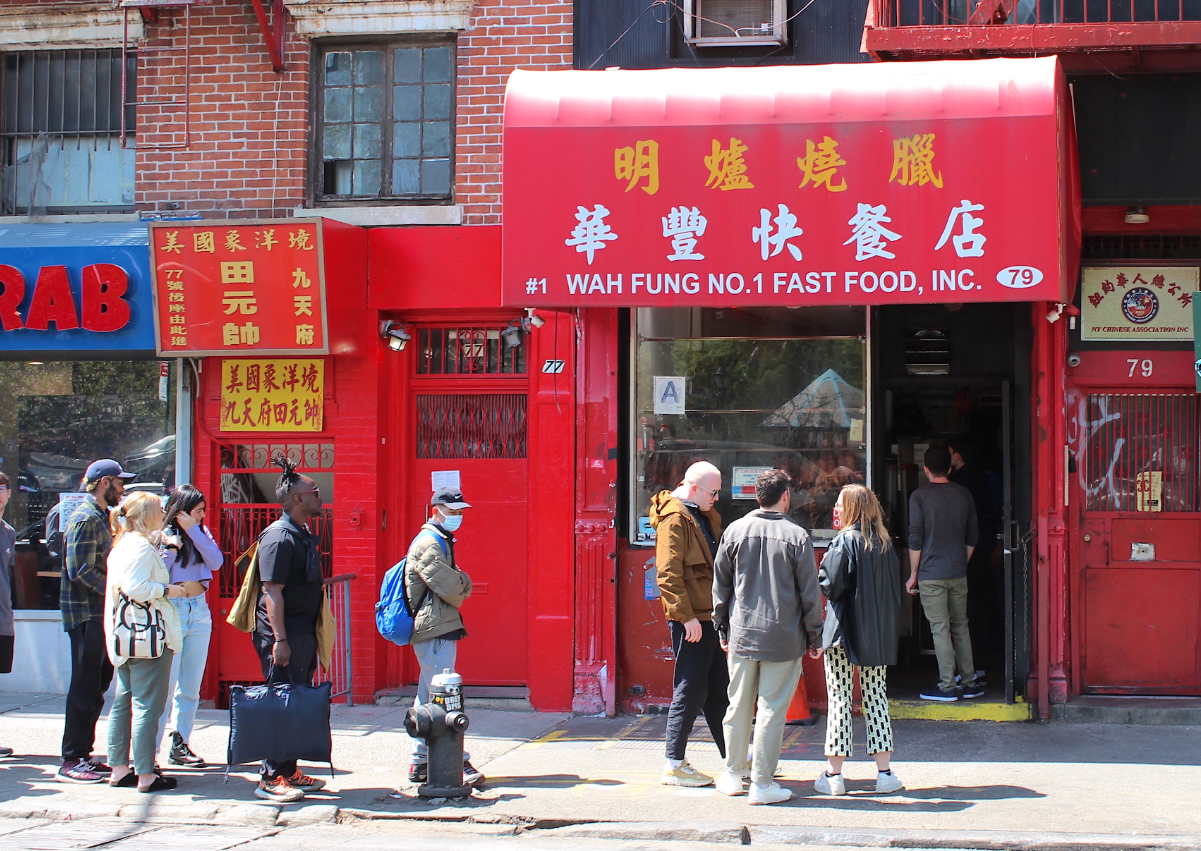
Wa Fung No. 1, a Chinatown roast pork shop, used to be a quiet mom-and-pop spot. Now the lines stretch half a block, mostly European tourists filming themselves. Hamido Seafood in New York went from neighborhood favorite to TikTok zoo. The Met Museum is full of people doing multiple takes, pretending to look at art. The second filming stops, they move on.
Paris ice cream shop Folderol saw crowds arrive not for wine or ice cream, but for selfies. Co-owner Jessica Yang told The New York Times people "don't even taste the ice cream. They just let it pool into a bowl of melting liquid and die in the sun."
TikTok became the primary restaurant discovery engine faster than anyone expected. A 2024 MGH survey found 58% of TikTok users have visited or ordered from a restaurant after seeing it on the platform—up from 38% in 2022. The flip side: TikTok can shove restaurants toward failure just as fast. One Chicago bar faced hundreds of fake bad reviews after an alleged paycheck dispute that had nothing to do with food quality, eventually filing a defamation lawsuit against the TikTok user.
Paid micro-communities have normalized paying for "edge." The behavior is proven. People already subscribe monthly for insider knowledge.
Exclusivity is a proven business model. Soho House is a membership engine—not just real estate with cocktails, but a business built on memberships, app functionality, and curated events. The company generates over $1.3 billion in annual revenue. In Q2 2025, Soho House posted $329.8 million in revenue—8.9% growth year-over-year—with membership fees accounting for $118.6 million. The company has 270,000 members across 46 locations with a waitlist of 111,000 people.
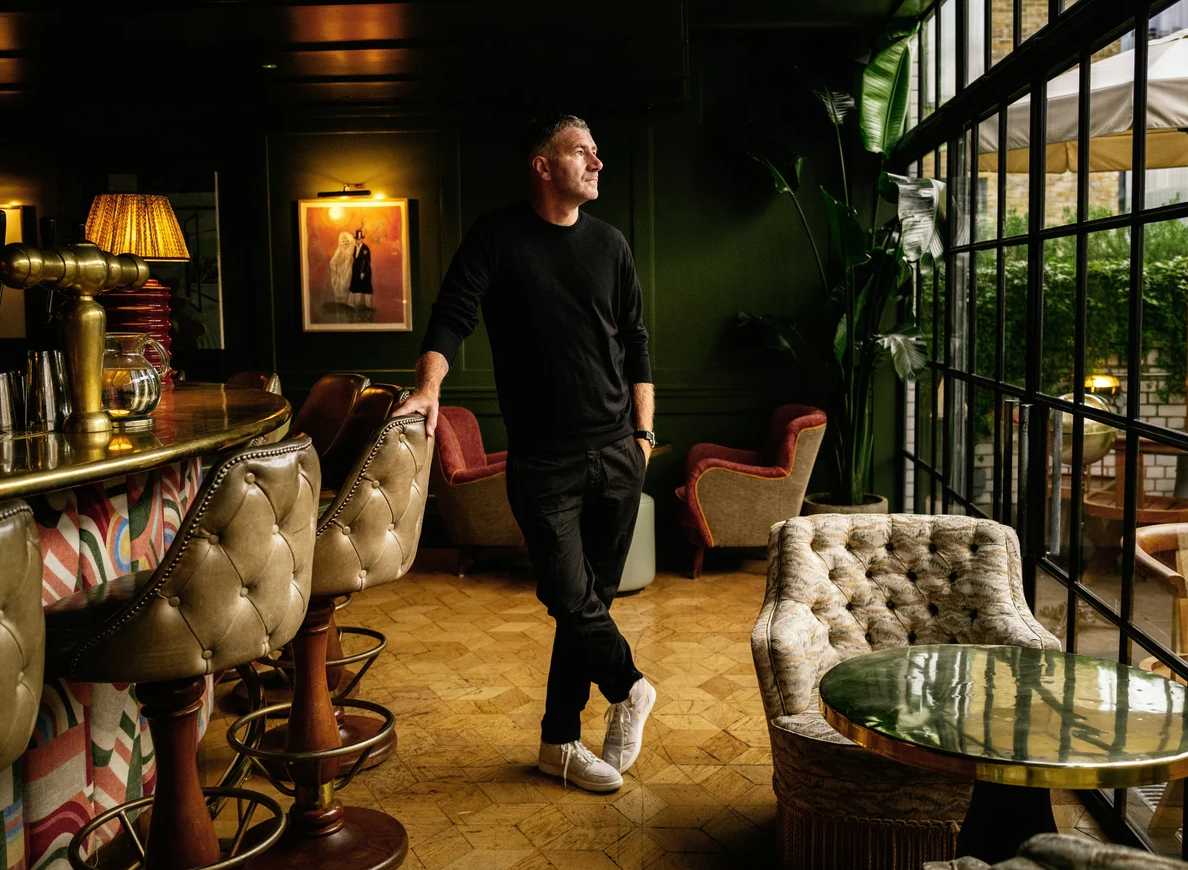
Soho House works because members pay for boundary, not just access.
The timing isn't "because gatekeeping is trending." The timing is because the mainstream discovery stack is broken. Yelp/Google reviews are noisy. TikTok discovery destabilizes businesses. "Everyone knows everything" is now cultural pollution.
The newsletter is the decoy—the network is the moat
A "secret recs" Substack can work as a lifestyle business. The math is clean: 1,000 members at $15/mo is $180k/year; 2,000 at $20/mo is roughly $480k/year.
But if you stop at "here's a list," you get killed by three structural problems:
- Leaks are inevitable (scarcity degrades)
- You don't own supply (other lists pop up; low switching cost)
- Weak network effects (members don't care who else is in it → churn)
The real play is evolving it into an anti-viral, high-trust discovery network—Soho House vibes, but for intel.
Building an anti-viral discovery layer
Follow the following 3 main principles:

Unlock the Vault.
Join founders who spot opportunities ahead of the crowd. Actionable insights. Zero fluff.
“Intelligent, bold, minus the pretense.”
“Like discovering the cheat codes of the startup world.”
“SH is off-Broadway for founders — weird, sharp, and ahead of the curve.”


