


Decision friction kills productivity more than bad habits ever will.
When you're burned out or overstimulated, you don't need a new goal. You need a pre-made choice — something you can say yes to without negotiating with your brain like it's holding you hostage.
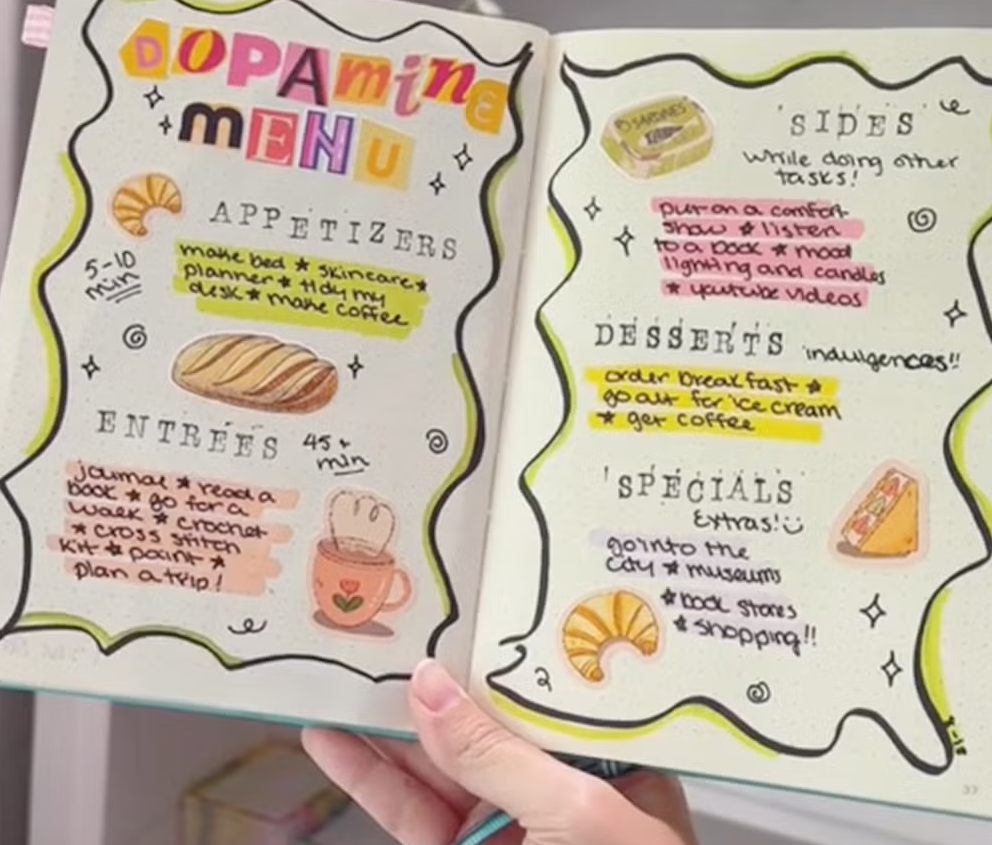
That's the promise behind "dopamine menus," a planning framework that's crossed over from the ADHD community into mainstream lifestyle culture. The concept splits planning from doing: you pre-list tiny recharges ("appetizers"), deeper resets ("entrées"), helpful background boosts ("sides"), and indulgences you want to keep on a leash ("desserts"). Google Play ran an editorial collection called "Apps to create your dopamine menu." Platform endorsement means real search demand.
The mental health app market hit roughly $6.3 billion in 2023 and projects to reach the low-to-mid $20 billions by the early 2030s, growing at 15-17% annually. Dopamine menus have captured attention because they address a clinical problem with mass appeal — and because the trend originated in communities (ADHD, burnout, chronic illness) where dopamine regulation is literally a medical issue.
But everyone who spotted the trend shipped the same bad product.
This is not another wellness tracker competing on templates. This is a social identity product where users publicly encode, discover, and remix their reset rituals — and the menu is just the wedge.
The Trap: PDFs, Notion Templates, and a Race to $4.50
Search for dopamine menus on Etsy. You'll find printables priced like coffee tips. Notion has free templates in its gallery. That's not a market — it's a flea market.
The real customer pays for identity ("this is how my brain works"), social proof ("people like me do this"), and a system that adapts as they change. The shareability of the output matters more than the template itself.
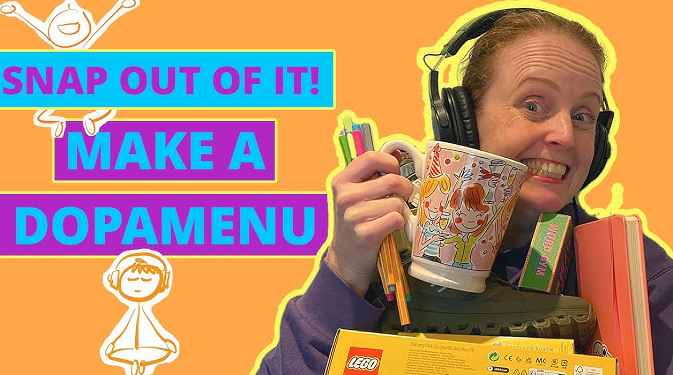
The winning product flips the wedge: Letterboxd for life design. Public profiles, follow graphs, remixes, collections, status rituals — with a dopamine menu as the entry point, not the endgame.
The Heist: Build the Social Layer First
Turn dopamine menus into shareable identity artifacts, then build a network around "rituals" the way Strava built one around workouts. Starting with a fast heist can get you cashflow positive in 90 days; but the real moat and million-dollar sponsorships deals are in the long play.
First, define the real user behavior within the product (think deeply about this, don't skip):
Unlock the Vault.
Join founders who spot opportunities ahead of the crowd. Actionable insights. Zero fluff.
“Intelligent, bold, minus the pretense.”
“Like discovering the cheat codes of the startup world.”
“SH is off-Broadway for founders — weird, sharp, and ahead of the curve.”


