


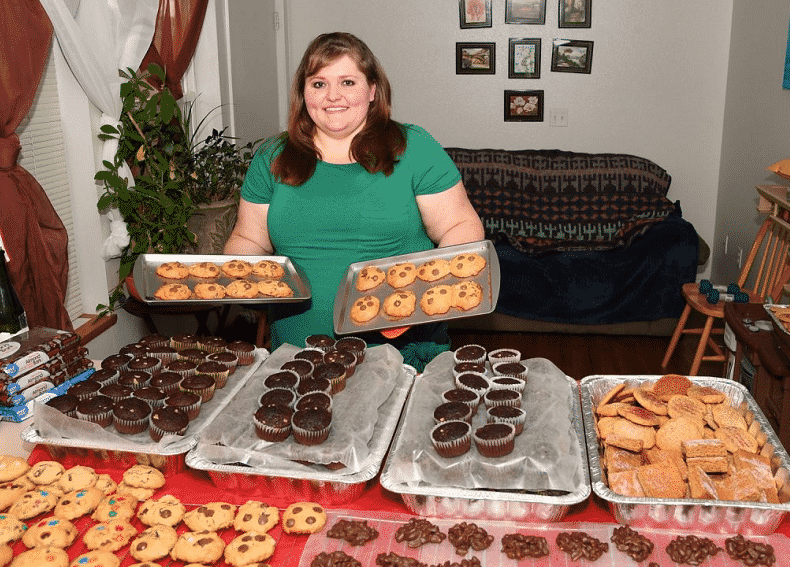
Instagram story goes up at 8:47am. "Sourdough drop — 40 loaves — pickup 12–2." Six minutes later: sold out. Then the chaos starts.
Twenty DMs asking for substitutions. Three Venmo payments with no names attached. Someone who paid shows up early, rings the doorbell, wakes the baby. The baker's partner is furious. Two customers ghost on pickup. The spreadsheet is half-updated and wrong.
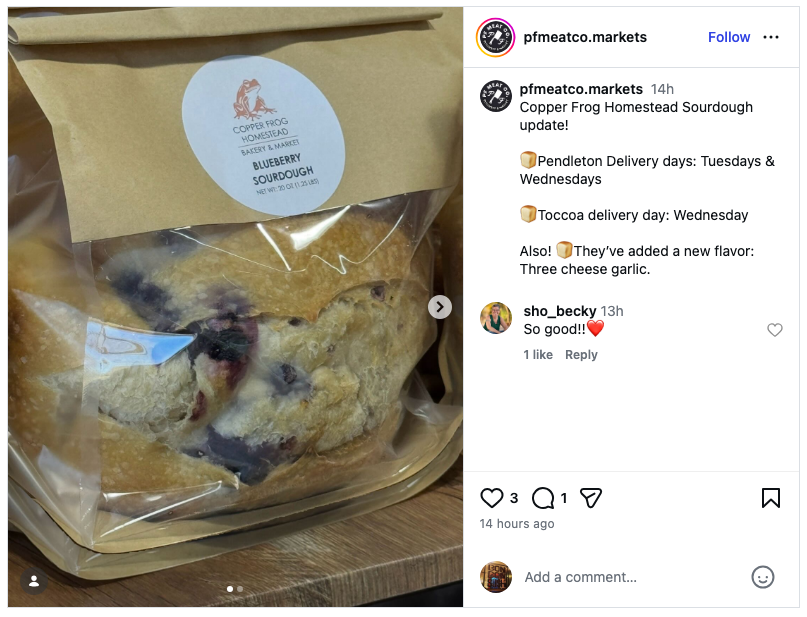
The baker just pulled in $600 in six minutes. And spent four hours hating their life.
This is $150,000-per-year businesses trapped in Instagram DMs, running like hobby operations. The software to turn this chaos into $20K monthly recurring revenue doesn't exist yet. It should.
Cottage Food Laws Just Hit Critical Mass
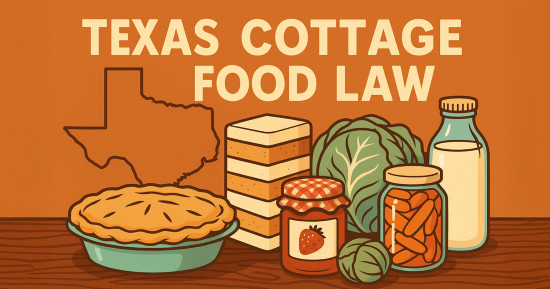
Cottage food laws — the regulations that let people legally sell homemade food without commercial kitchens — just crossed a tipping point.
In 2024-2025 alone, over a dozen states expanded their cottage food laws with meaningful changes. Texas raised its revenue cap to $150,000 annually (effective September 2025). Florida hit $250,000. Vermont jumped from $125/week to $30,000/year. North Dakota now allows interstate shipping. Alaska passed its first-ever cottage food statute. Delaware and Missouri eliminated caps entirely.
2025 alone produced a record number of cottage food bills across state legislatures.
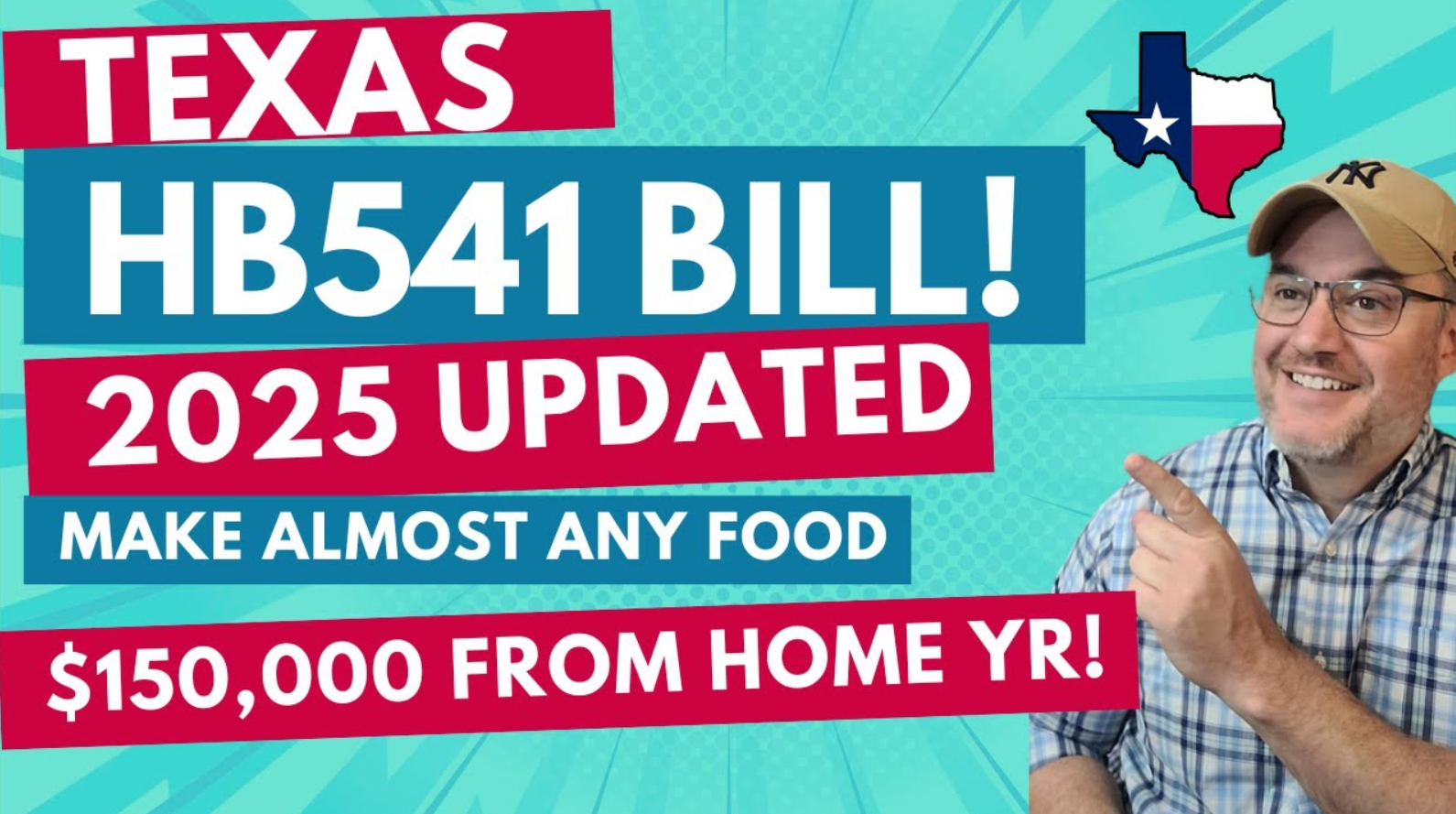
The National Agricultural Law Center documented this explosion. States aren't just tweaking rules — they're systematically removing barriers. Online sales, mail delivery, retail partnerships, higher revenue caps, streamlined registration. The legislative signal is unmistakable: states want these businesses to exist and scale.
Regulatory expansion doesn't happen in a vacuum. It's a lagging indicator. The activity is already there, growing faster than the rules can keep up. When 34 states update their laws in under a decade, you're watching policy play catch-up to market reality.
All 50 states plus DC now have cottage food programs. 43 states allow online sales. 35 allow mail delivery. 22 allow retail sales through grocery stores.
That's not "emerging." That's established infrastructure with the training wheels coming off.
Two Platforms Are Fighting, Neither Owns Compliance
Hotplate (Y Combinator-backed) and Nourysh (formerly Castiron, acquired by T.D. Jakes Enterprises in November 2024) are fighting for this space.
Hotplate owns the "drops" model. They've nailed the scarcity playbook — limited inventory, timed windows, SMS notifications, cart timers. It's Shopify meets sneaker drops meets food. They charge 5% + 55¢ per order, plus standard payment processing (2.9% + 30¢).
According to the LA Times, thousands of chefs use Hotplate to coordinate weekly pre-order pickups. The platform generates automated prep lists and customer management that turns kitchen chaos into repeatable systems. But food safety compliance? That gets pushed back to the seller with a simple "be appropriately licensed."
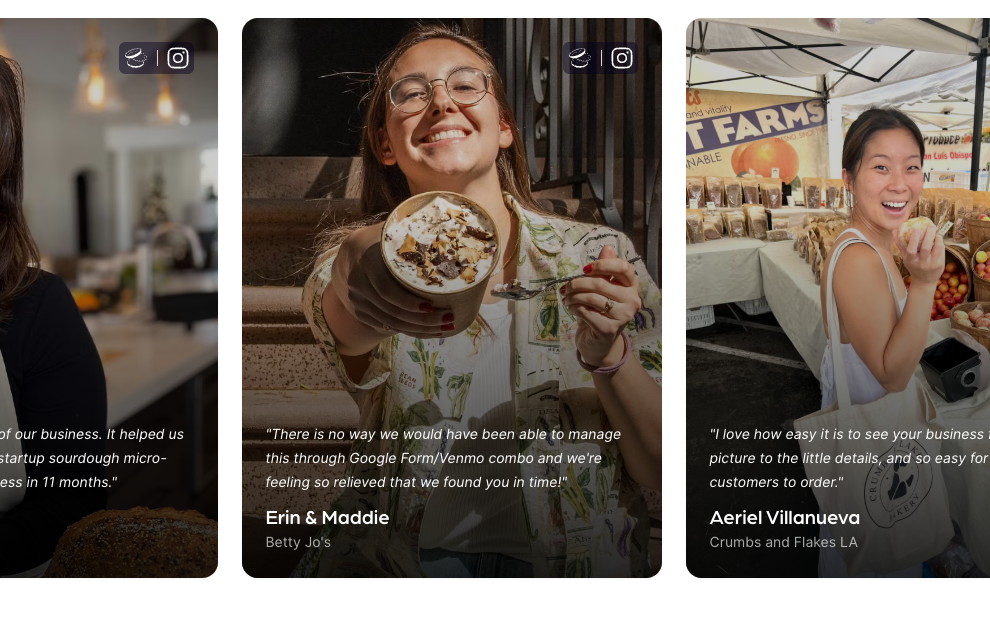
Nourysh (the rebranded Castiron) positions differently. Originally raised $6M as Castiron in 2022 to be "Shopify for home food businesses," it was acquired by T.D. Jakes Enterprises in late 2024 and relaunched as Nourysh to serve underrepresented entrepreneurs. The platform is still live, fully operational, and serving 27,000+ entrepreneurs through the Good Soil Movement ecosystem.
So you've got players. You've got traction. You've got take rates sellers will accept.
But neither platform solves the compliance layer.
Both handle commerce. Neither owns the regulatory brain that keeps sellers legal.
And compliance is the single biggest anxiety point for anyone starting in this space. "Am I breaking the law?" beats "How do I take payments?" every single time.
The Pain Isn't Scheduling Pickups — It's Legal Anxiety
Talk to anyone running a cottage food business and you'll hear three pain points in order:
- "Am I legal?" (labeling, disclaimers, state-specific rules)
- "How do I stop the chaos?" (orders, payments, logistics)
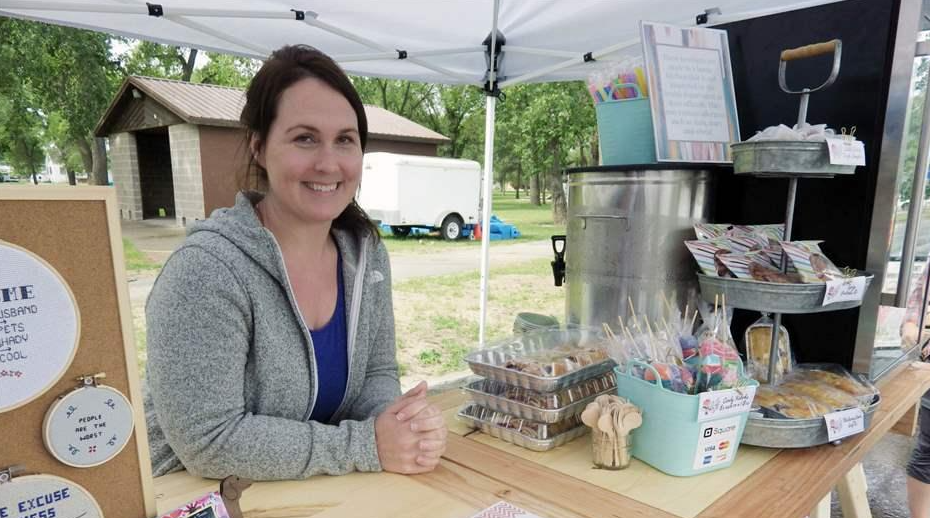
- "Where do I do pickups?" (porch vs. public location)
Most platforms start at #2. The wedge is compliance-as-a-service. Build the tool that auto-generates state-compliant labels, injects required disclaimer language, handles allergen disclosures, and keeps current as laws change (which they do — constantly).
That becomes your moat. Once you own that trust layer, you can attach everything else.
The Product: Compliance First, Commerce Second
The Compliance Engine (Your Wedge)
Auto-compliant label generator. User picks their state during onboarding. Platform pulls current cottage food law requirements. Generates labels with required disclaimer text, allergen fields, ingredient lists, producer info. Updates automatically when laws change. Exports as printable PDFs or connects to label printers.
Every state has different rules. California requires specific font sizes and allergen placement. Texas has different disclaimer language. Oklahoma lets you use registration numbers instead of home addresses (2024 law). What you can sell, where you can sell it, how you label it, whether you need food safety training — all of it varies state by state and changes frequently.
Nobody wants to research this. You build the knowledge graph. You make it automatic.
State law database: what you can sell in each state, revenue caps and how they adjust (Oregon's now adjusts annually for inflation starting 2025), where you can sell (farmers markets, online, retail, interstate), registration requirements and links to forms, food safety training requirements.
This alone is worth $20/month to anyone serious. It removes the #1 source of anxiety and potential legal exposure.
The catch: you're signing up for permanent maintenance work. Laws live in PDFs, agency FAQs, and evolving interpretations. Staying current requires ongoing legal research and possibly relationships with state agencies or agricultural law centers. But that's precisely why it's defensible. Every law change increases the cost for competitors to catch up.
Commerce + Logistics (Parity with Hotplate)
Drop scheduling engine. Create "drops" in under 60 seconds. Set inventory caps per item. Multiple pickup windows with per-slot limits (prevents 20 cars showing up at once). SMS notifications to subscriber list when drops open. Cart timers.
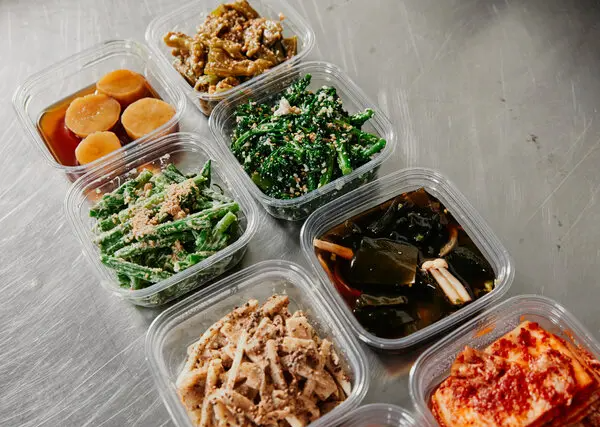
Order management: Stripe checkout integration, automated order confirmations, packing lists organized by pickup slot, customer communication tools.
Revenue model: $19/mo Starter (1 drop/month, basic features), $49/mo Pro (unlimited drops, multiple locations, SMS), $99/mo Studio (subscriptions, batch labels, priority support). Plus 1-2% transaction fee or payment processing margin.
Two Different Paths to Market
Lane 1: Fast Heist (1 founder, 90 days to profit). Ship the compliance engine + drop scheduling + Stripe checkout. Charge $19/$49/$99 + 1% transaction fee. No partnerships, no network effects yet. Just clean SaaS solving real pain. This becomes a $20K MRR machine pretty quickly. Boring, profitable, sustainable.
Unlock the Vault.
Join founders who spot opportunities ahead of the crowd. Actionable insights. Zero fluff.
“Intelligent, bold, minus the pretense.”
“Like discovering the cheat codes of the startup world.”
“SH is off-Broadway for founders — weird, sharp, and ahead of the curve.”


