


Japan just crossed 99,763 centenarians. That's up 4,644 from last year, marking the 55th consecutive year of growth. Nearly a third of the country is now 65+, and these older adults control ¥1,700+ trillion in household financial assets—the majority held by people over 60.
For four decades, Japan has been running the world's most documented experiment in healthy aging. Morning radio calisthenics have been broadcast since 1928. The traditional diet emphasizes fish, soy, vegetables, and green tea while keeping portions modest. Healthcare infrastructure treats eldercare as a societal priority rather than an afterthought.
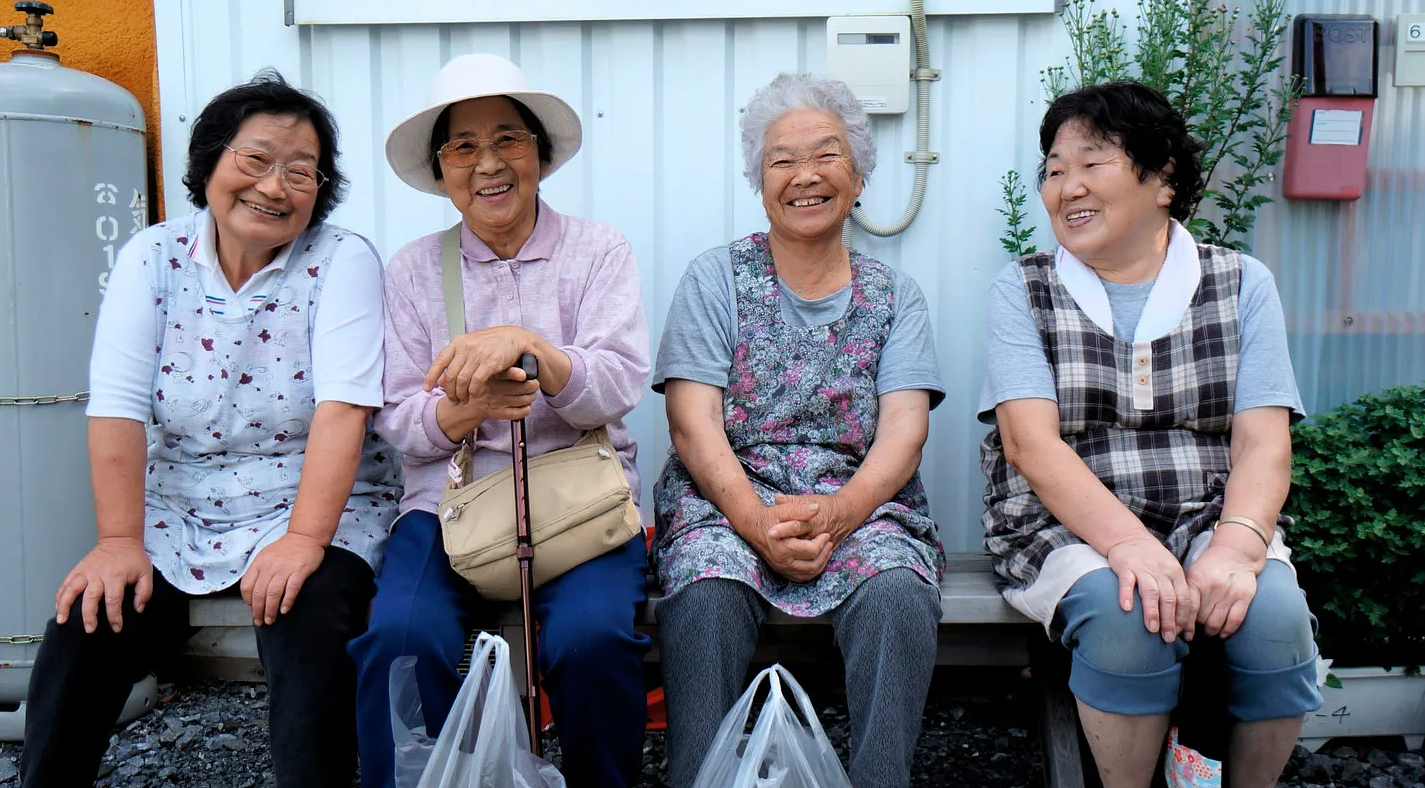
Outside of a handful of books and Netflix documentaries, this playbook hasn't been properly exported to affluent boomers in the U.S. and Europe—people who will spend serious money to ski at 75 and stay sharp at 90.
The Play: Steal Japan's longevity R&D and re-package it as a high-trust membership for Western 55–75-year-olds
Partner with Japanese longevity and functional food companies who already have products and data—but no strong Western consumer brand—and build a simple, evidence-backed "Japanese Longevity Stack" for affluent English-speaking adults 55–75.
The target customer is a 55–75-year-old professional. Retired surgeons and ex-consultants who want to be skiing at 75 and mentally sharp at 90. Executives, professionals, small-business owners. They're already spending on healthcare, trainers, and fancy lab work, but they hate complexity.
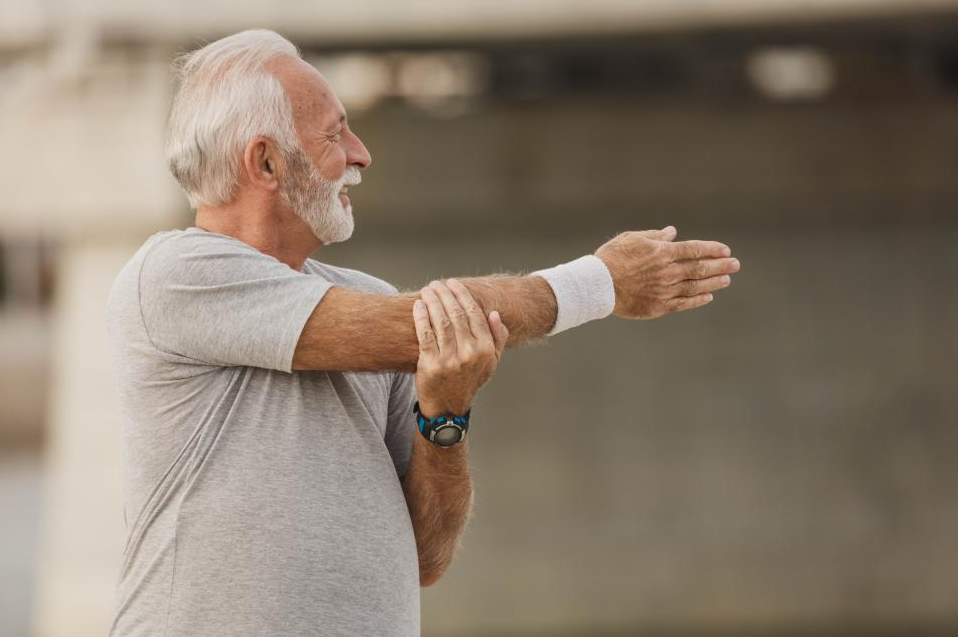
The wedge is a simple "Japanese Longevity Stack"—2–3 hero products plus light personalization—delivered as a membership with exclusive partnerships from Japanese food-tech, microbiome, and longevity players.
The end game is a cross-border longevity data and membership business with Japanese credibility and Western distribution.
Why This Market Is Big Enough to Matter
1. Longevity is moving from biohacker niche to serious money
The global longevity supplements market hit $8.7 billion in 2024 and is projected to reach $16.3 billion by 2033, growing at 7.1% annually. Europe's healthy aging supplement market alone was valued at $8.0 billion in 2023, expected to reach $16.5 billion by 2032.
On the DTC side, AG1 (Athletic Greens) built a ~$600 million revenue business doing essentially one thing very well: a single "foundational nutrition" powder at $79/month per subscriber, pushed via podcasts and influencers.
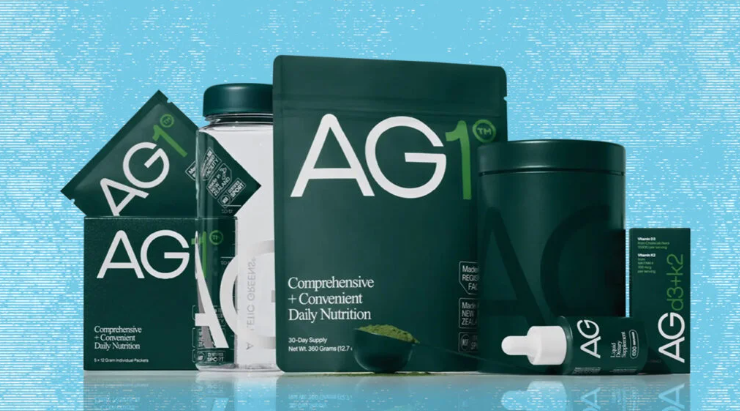
Consumers will absolutely pay $70–$100 per month for something that feels like a trusted, comprehensive daily ritual. Nobody credible has claimed the "longevity for older adults" slot with the same intensity—most brands still market to 25–45-year-olds who drink caffeine like water.
2. Japan's longevity playbook is getting more specific—and more exportable
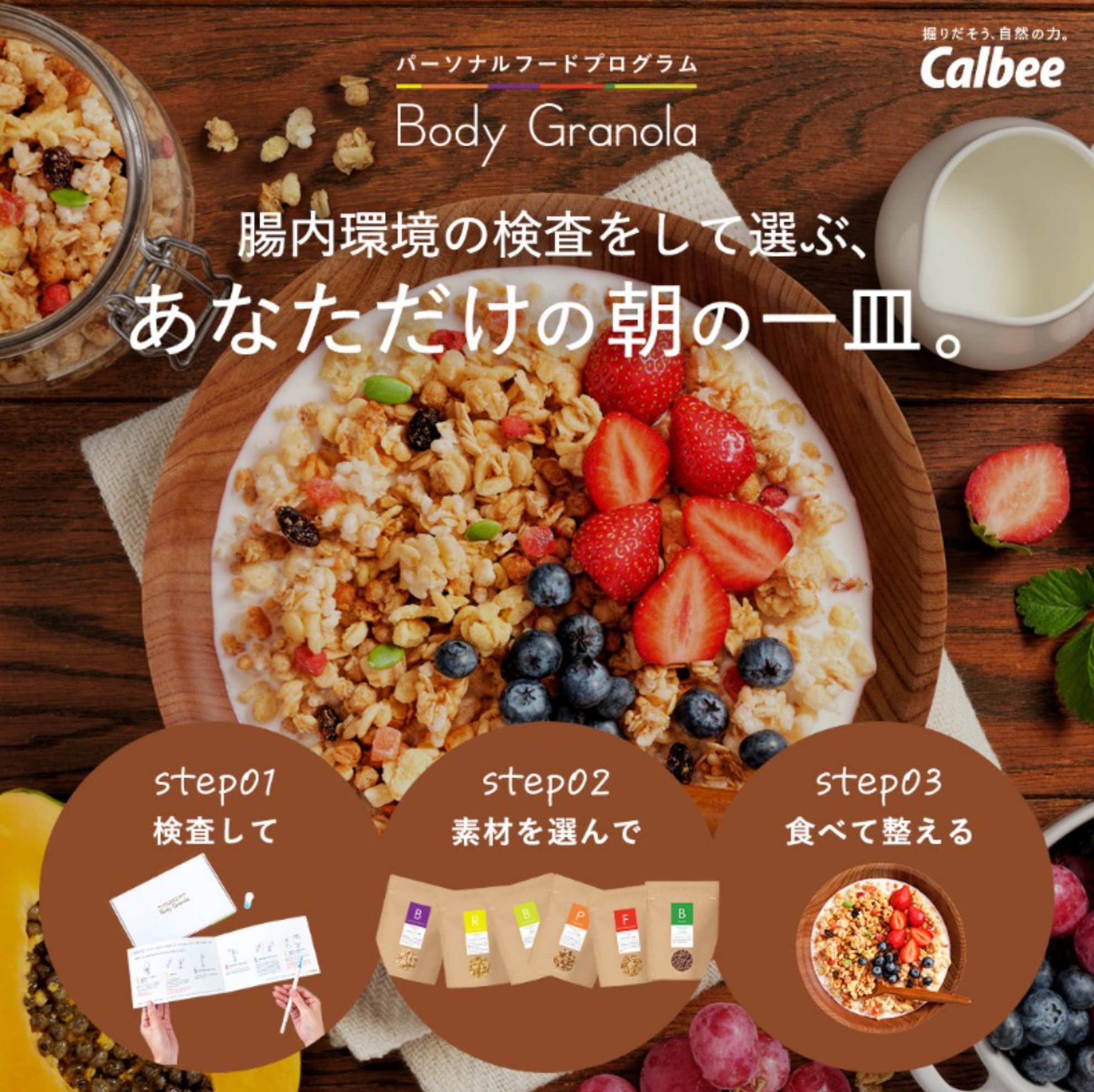
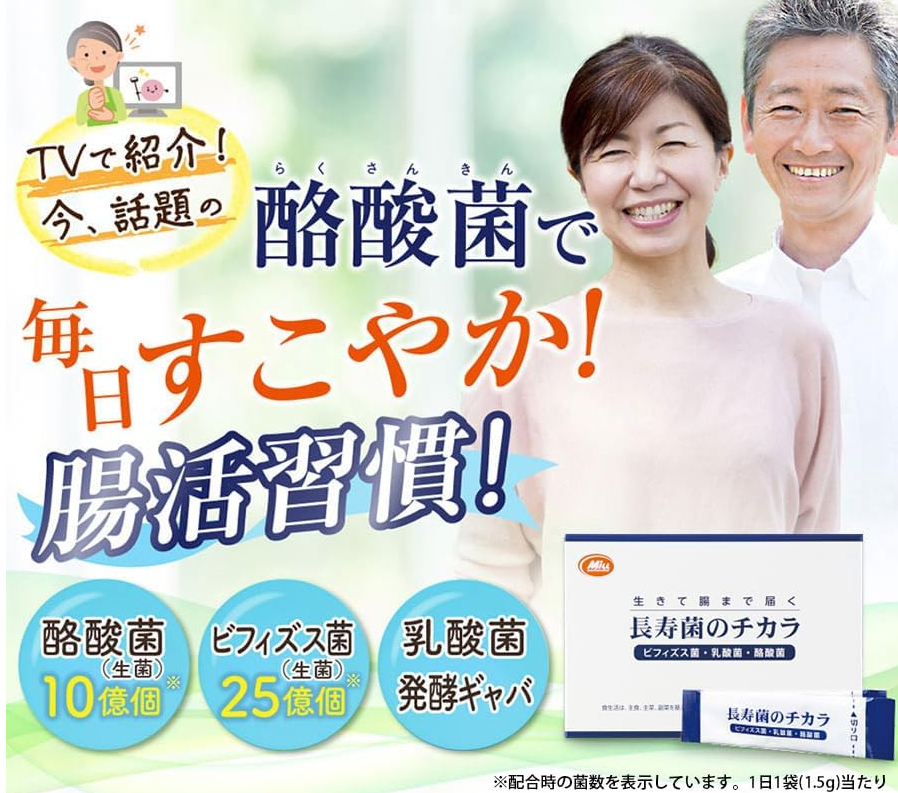
Japanese companies are commercializing microbiome-driven functional foods with actual clinical backing. Take Calbee's "Body Granola"—a personalized granola subscription tuned to your gut bacteria via at-home stool tests. You pay ~$111 for the initial microbiome test, then $25/month for customized prebiotic toppings matched to your gut profile.
Recent clinical research shows this stuff actually works. A 99-participant study found that personalized granola tailored to individual gut microbiota increased beneficial short-chain fatty acids and significantly improved mood scores.
Japan's FOSHU (Foods for Specified Health Uses) and Foods with Function Claims (FFC) frameworks have created a pipeline of products with real clinical backing—a stark contrast to the U.S. supplement free-for-all. The catch: FOSHU approvals only work in Japan. You'll need to translate the underlying science into U.S./EU-compliant claims, which means softer language and more conservative positioning. But the clinical foundation still gives you something most Western supplements lack: actual data.
Meanwhile, longevity is becoming the hot investment theme in wellness. Clinique La Prairie launched a dedicated €100M+ longevity fund to back science-driven nutrition and diagnostics solutions.
Here's the timing signal: Japanese industry associations are actively mobilizing to export functional foods to Western markets, participating in trade shows across Europe and North America and building formal export support frameworks. They're looking for the right Western distribution partners—but you're competing with other would-be importers for those relationships.
Japan is sitting on the most documented longevity culture in the world plus a stack of mid-market, clinically-adjacent products. Almost no one's built the cross-border bridge.
Phase 1 (0–12 months): Launch with one hero stack, one clean funnel
Unlock the Vault.
Join founders who spot opportunities ahead of the crowd. Actionable insights. Zero fluff.
“Intelligent, bold, minus the pretense.”
“Like discovering the cheat codes of the startup world.”
“SH is off-Broadway for founders — weird, sharp, and ahead of the curve.”


