


Physical advent calendars hit $1.3B globally in 2024, projected to reach $2.5B by 2033—a 7% annual growth rate for cardboard boxes with chocolate. But beauty advent calendars, the premium category, are growing at 13.4% annually. Liberty London's beauty calendar became its fastest-selling product ever, moving tens of thousands of units annually at $150+ each. Resellers flip sold-out calendars on eBay for 3-4x retail. Over 4,000 beauty advents moved through eBay alone last holiday season for a combined $1M.
The product isn't really the calendar. It's anticipation packaged as infrastructure.
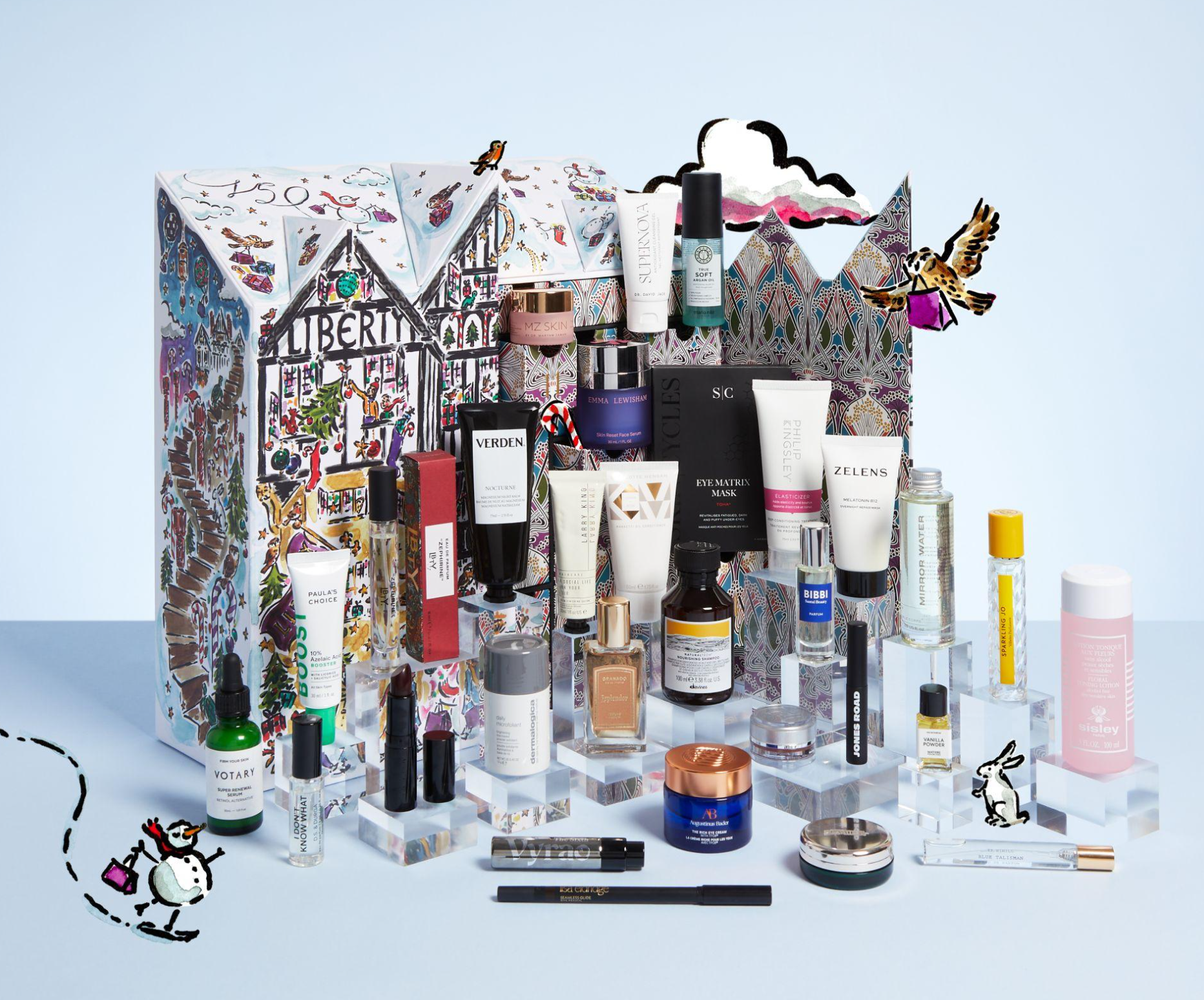
Here's the arbitrage: That same infrastructure—daily unlock mechanics, spoiler-proofing, finite timelines—doesn't exist as a first-class primitive for the $204B creator economy selling challenges, courses, and transformation programs. Course platforms have drip features. Habit apps have streaks. Challenge builders exist. But nobody's built infrastructure where the countdown itself is the product, the marketing, and the identity. Build that platform, and the math gets interesting fast.
100 creators each running $50K in annual Season sales = $5M in gross merchandise volume. Your take at 10%? $500K annually. At 15%? $750K. Add SaaS subscriptions ($19-$199/mo per creator) and a 30% cut of brand sponsorships, and you're looking at seven figures from a relatively small creator base.
Mid-tier wellness creators could pull $35K-$150K annually running quarterly Seasons. Larger creators with premium offerings could hit $300K. The format works. The infrastructure doesn't exist yet.
Advent Calendars Stopped Being Christmas Products Around 2019
TikTok's #adventcalendar tag hit 1.2M posts, but here's what matters: non-chocolate calendars (beauty, toys, pet products, wellness) now account for 30% of the market. "Countdown commerce" became a year-round category.
Influencers run "Advent Series" like TV seasons—one door per day, millions of views per unboxing. Good Housekeeping tracked one TikTok creator whose seasonal advent series consistently pulls millions of views. This isn't passive consumption. It's appointment viewing for product discovery.
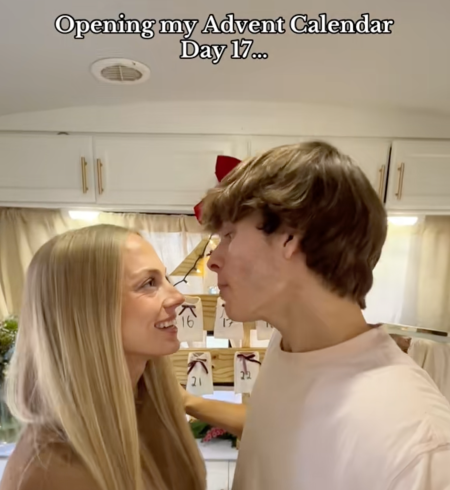
The psychology checks out. Behavioral scientists studying habit formation found that context-dependent repetition—doing X after Y happens—creates automaticity in an average of 66 days. Missing one day doesn't break the pattern; the habit curve resumes immediately.
Finite challenges outperform infinite ones. Research on digital behavior change interventions shows that time-boxed programs with daily prompts and visible endpoints sustain engagement because users can't fall behind forever. A 21-day challenge has a finish line. An open-ended habit tracker just accumulates guilt.
Creators Are Duct-Taping This Together Right Now (Fix it and Monetize, Win-Win)
Course platforms like Teachable and Thinkific have drip features. Habit apps like Habitica have streaks. Community tools like Circle support cohorts. But none of them treat the countdown itself as the core experience.

Unlock the Vault.
Join founders who spot opportunities ahead of the crowd. Actionable insights. Zero fluff.
“Intelligent, bold, minus the pretense.”
“Like discovering the cheat codes of the startup world.”
“SH is off-Broadway for founders — weird, sharp, and ahead of the curve.”


