


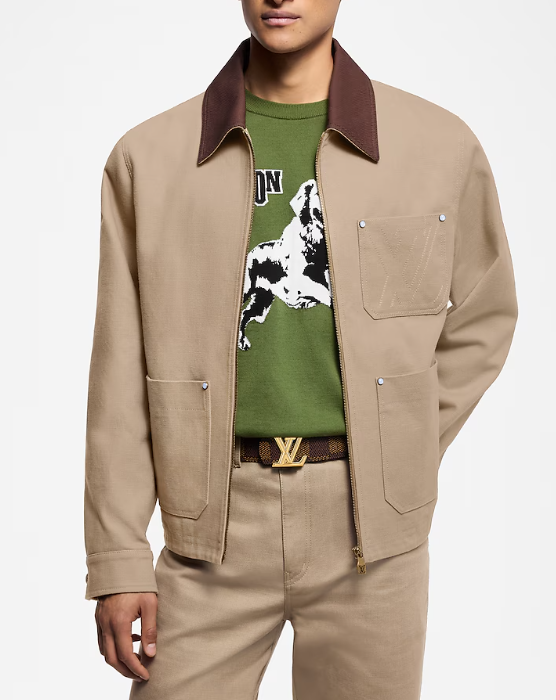
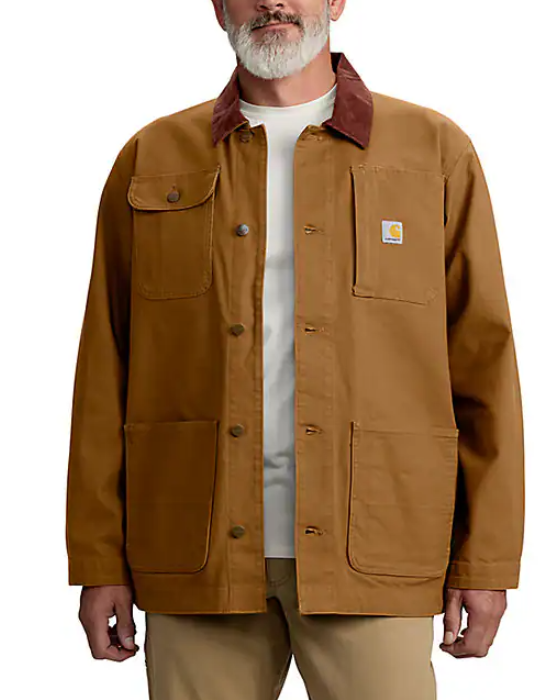
Carhartt jackets cost $100 at Target. Louis Vuitton's version costs $3,200.
Same silhouette. Same duck canvas aesthetic. The price gap is 32x.
The people dropping four figures on luxury workwear aren't construction workers. They're software engineers, consultants, and founders who've never touched a job site. In an AI world where everyone can spin up a chatbot or generate code, embodied competence has become the rare flex. The ability to point at something physical and say: I made that. With my hands.
Run 20 weekend retreats per year teaching high-income professionals how to weld, build stone walls, or rebuild engines, and you're looking at $440K in gross profit from a single location with one core track. Price these weekends at $2,750 per person for groups of 14, and your costs run around $16,500 per event—leaving $22K profit each time. The wedge is a high-margin experience business. The platform play is the credential layer that makes "Manual Mode Level 1" as legible as a CrossFit certification—but that's the endgame, not your MVP.
Carhartt hit $1.5 billion in revenue in 2024, with Carhartt WIP—the fashion-forward offshoot—driving growth among urban professionals who've never welded a thing. Pharrell put chore coats in his Louis Vuitton Fall/Winter 2024 collection. Prada sells "workwear-inspired" jackets for $2,800. The uniform of manual labor became a cultural costume. Fashion distributed an identity. Now someone needs to build the experience layer underneath.
The Play
Build a booking, curriculum, safety, media, and credential layer that plugs into existing trade schools, maker spaces, and craft organizations. Sell premium weekend skill retreats to high-income knowledge workers who want a story, a badge, and a physical artifact.
What You're Really Selling
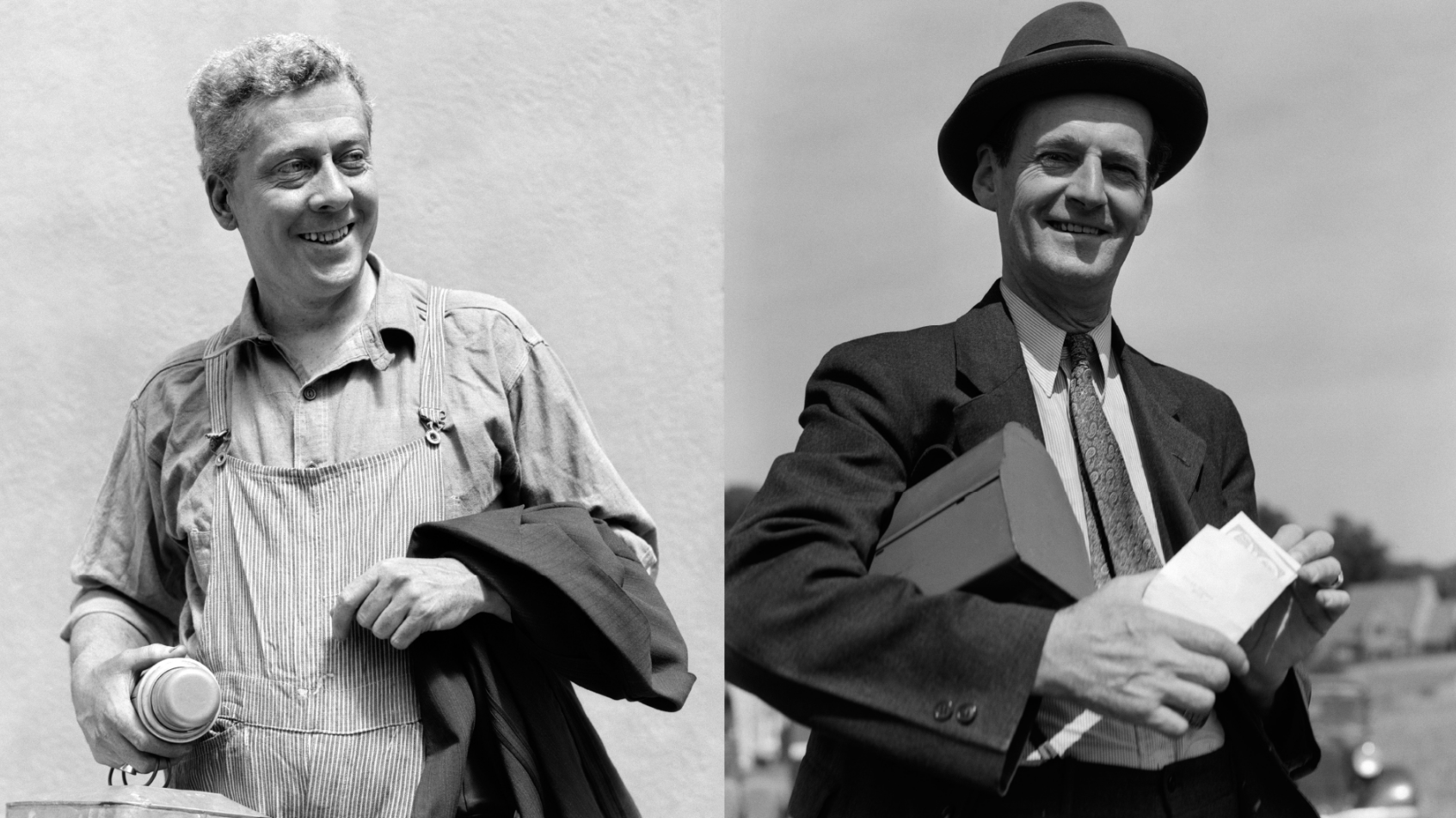
Forget "learn welding." You're selling an identity swap—one weekend of being the kind of person who knows how to do things. You're selling a photo-proof asset: sparks, sawdust, stone, captured well. Content that photographs beautifully and performs on social. You're selling a physical artifact they carry home—a stool, a wall section, a finished object that proves capability. You're selling a token: patch, dog tag, stamped metal plate. Physical proof they earned it. And you're selling a badge: a named level that's legible on LinkedIn and inside a friend group.
The blue-collar aesthetic works as the ultimate status signal in an AI world—proof you can manipulate physical reality, not just pixels.
Why This Wave Is Real
Wellness retreats have normalized the $2,000 weekend. The wellness retreat market hit $363 billion in 2024 and grows at 10% annually. Standard 5-7 day retreats command $1,300-$2,500, with premium offerings reaching $3,500+.
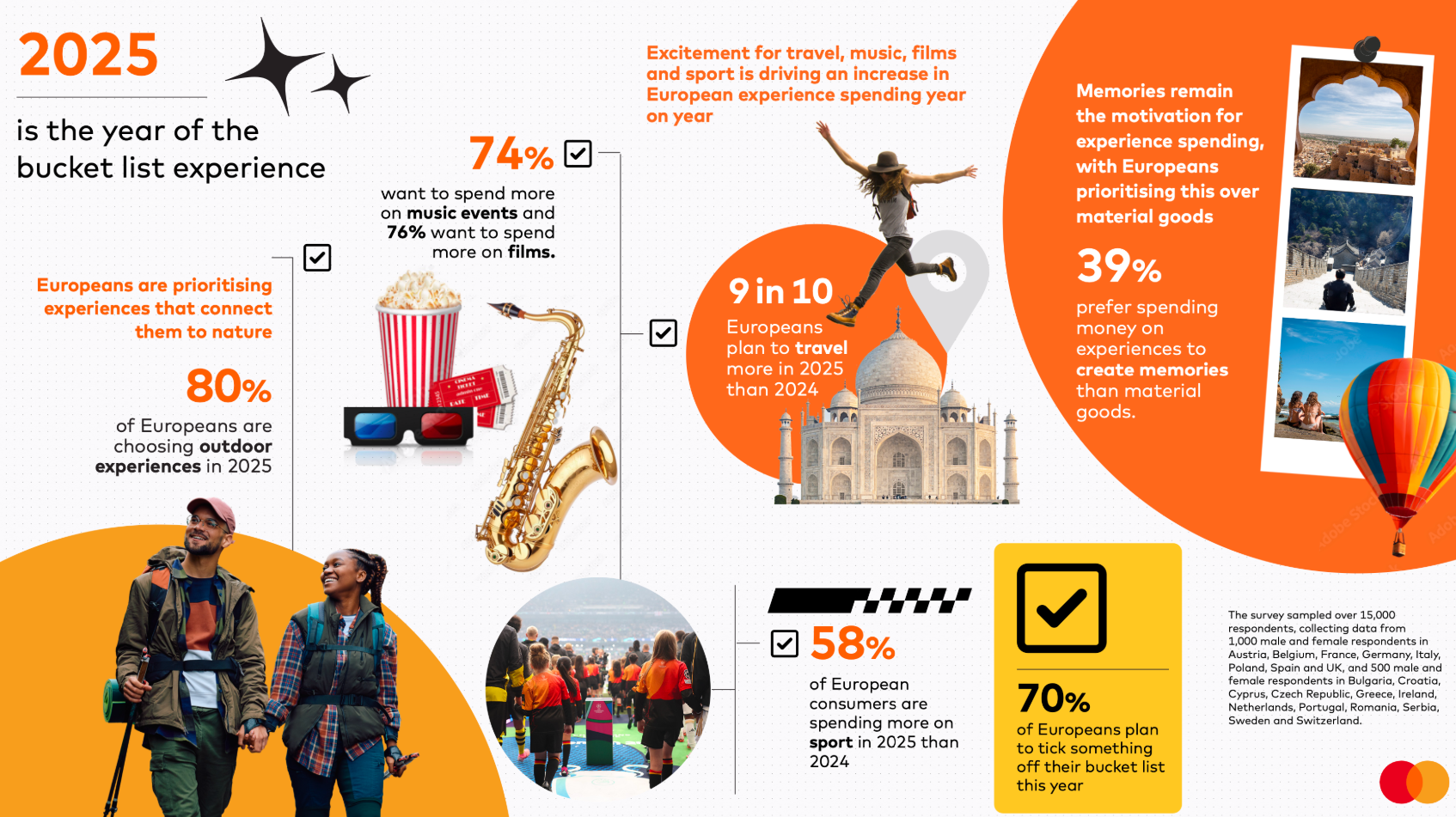
Mastercard data shows experience spending grew from 19% of total European consumer spending in 2019 to 22% in 2023. Half of UK consumers planned to spend more on experiences in 2024 than 2023, with 80% saying those experiences are "worth it." The events industry alone—concerts, conferences, sports—grew from $1.1 trillion in 2019 to a projected $1.6 trillion by 2028. And 78% of millennials prioritize spending on experiences over material goods.
Your angle: capability over vibes. Proof over relaxation. A weekend retreat that ends with a physical artifact and a credential instead of a yoga sequence.
Workwear crossed the fashion chasm. Dickies saw women's cargo pants hit peak search volume in 2024, driven by TikTok's #Dickies874 trend (50.4 million views). The brand's collaboration with Harley-Davidson and WACKO MARIA pulled workwear into streetwear and luxury simultaneously. Louis Vuitton, Prada, and Balenciaga aren't ripping off Carhartt because they need design inspiration. They're capitalizing on a cultural moment where the aesthetic of manual labor signals authenticity in a world drowning in digital abstraction.
Fashion operates as a gateway drug. People buy the jacket, then they want the story behind it. They want to earn it. Fashion distributes the identity. You sell the experience that validates it.
The Corporate Wedge
The corporate retreat market hit $31.8 billion in 2024 and projects to $73.7 billion by 2034, growing at 9.1% annually. Team building retreats are the largest segment. Hybrid work killed cohesion. Companies need in-person experiences that rebuild trust fast. A weekend where your product team builds an actual table together beats 40 slides and a trust fall.
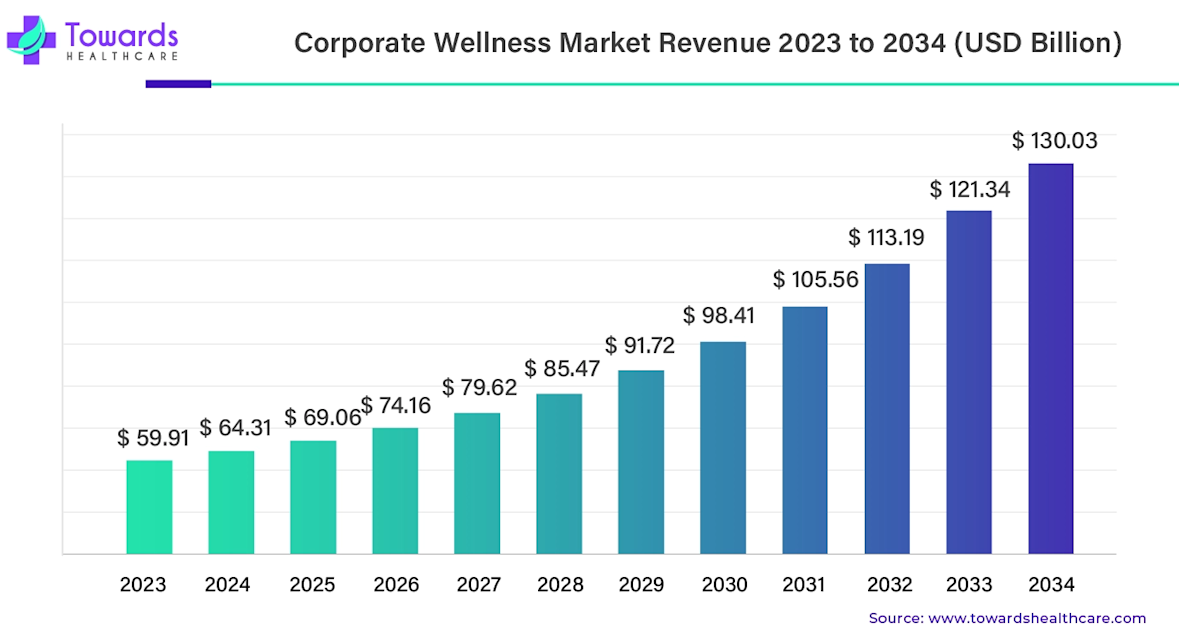
The IT sector leads corporate retreat spending, followed by financial services. These buyers aren't budget-constrained. They're sophisticated organizations willing to pay premium rates for differentiated experiences that deliver measurable team outcomes.
Sell to HR teams as "A team offsite where you build one object together instead of talking about quarterly goals." Package it at $3,500-$5,000 per participant for groups of 10-15. Do two corporate retreats per month and you're at $70K-$150K/month before you touch consumer bookings.
This isn't speculative. Corporate retreat budgets of $3K-$5K per person for premium offsites are standard for executive and team-building programs in tech and finance. You're pricing within established market norms for premium positioning.
The Infrastructure Already Exists
The makerspace services market grew from $10.2 billion in 2024 to a projected $21.5 billion by 2031, expanding at 9.1% annually. Woodworking and metalworking represent core offerings alongside electronics and 3D printing. DIY woodworking tools alone hit $12.5 billion in 2024, growing to $22.3 billion by 2034. And 40% of homeowners expressed interest in building their own furniture in 2023.
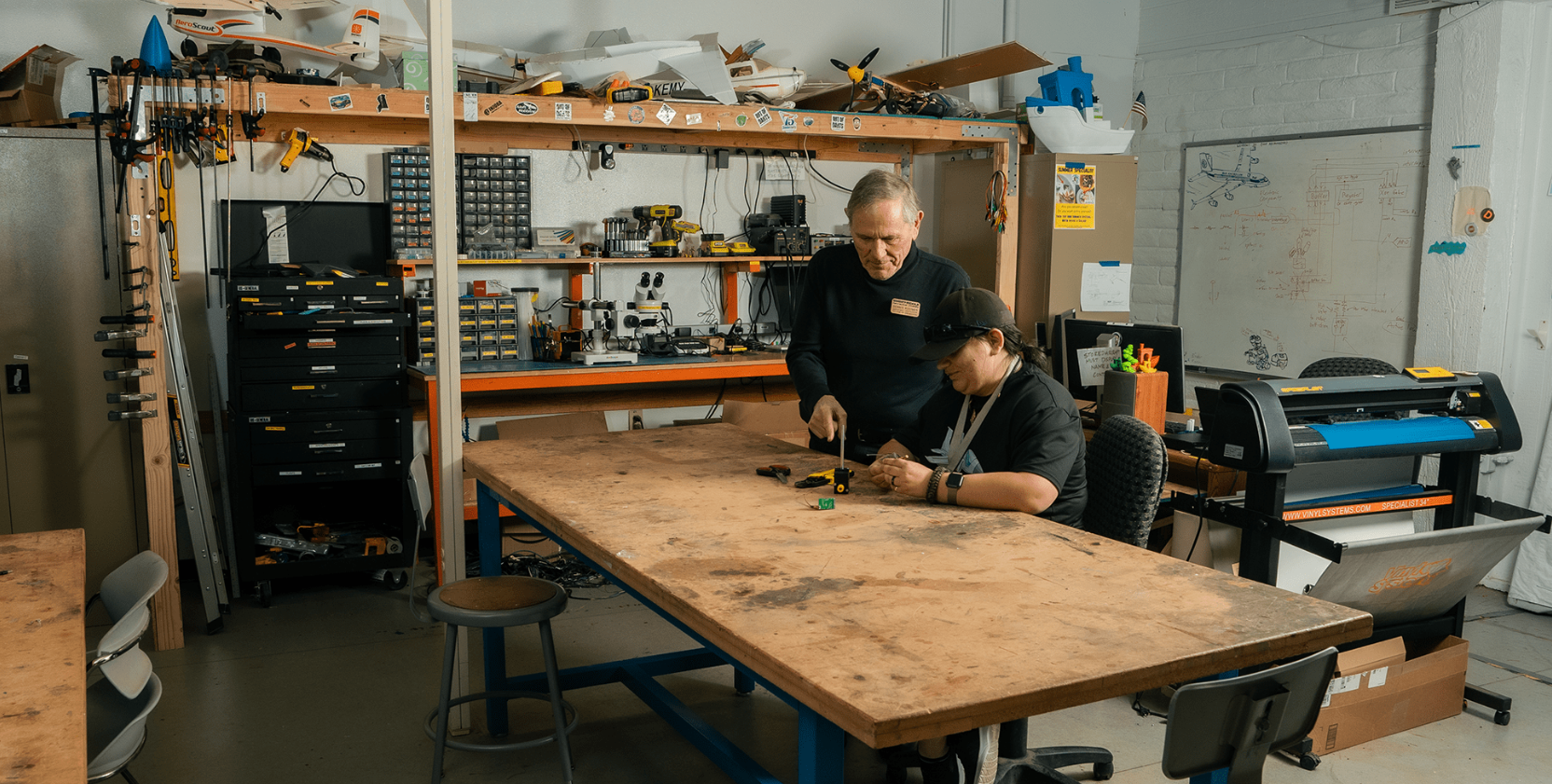
Trade schools, community colleges, and maker spaces have the gear, the instructors, and the safety protocols. What's missing: premium packaging, weekend demand, and a marketing engine that targets high-income professionals. You become the revenue layer on top of underutilized weekend capacity.
The Wedge: One Weekend That Photographs Beautifully
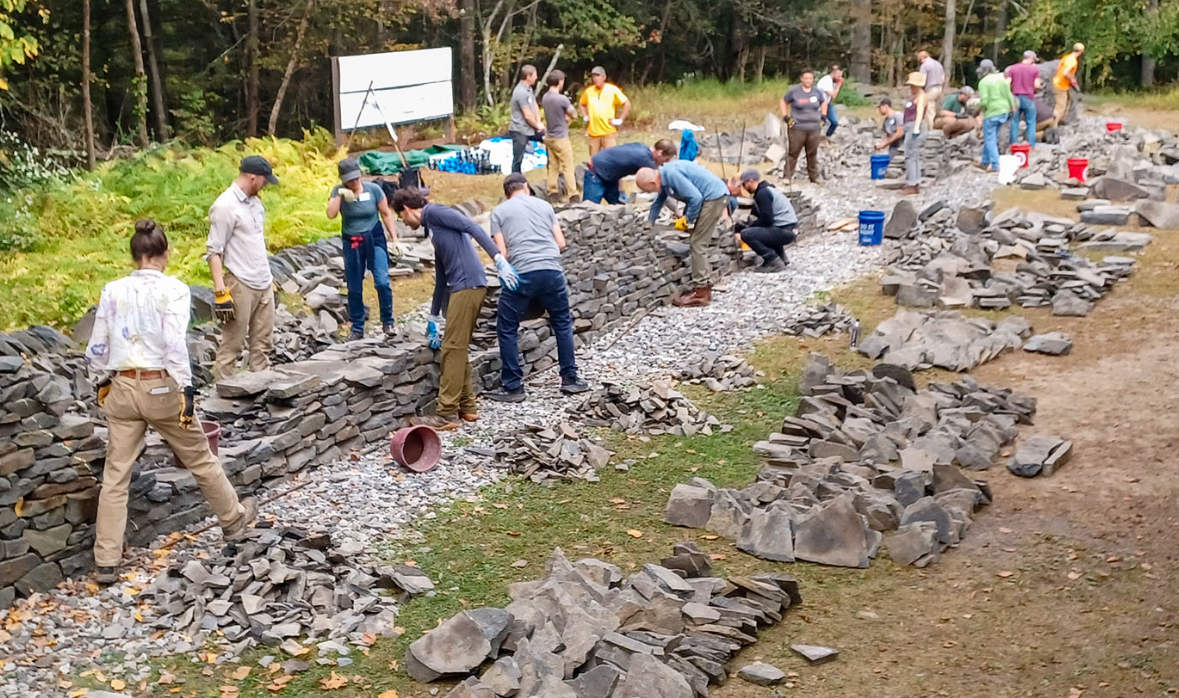
The fastest path is a single flagship retreat with one hero track that looks cinematic and carries heavy symbolism.
Unlock the Vault.
Join founders who spot opportunities ahead of the crowd. Actionable insights. Zero fluff.
“Intelligent, bold, minus the pretense.”
“Like discovering the cheat codes of the startup world.”
“SH is off-Broadway for founders — weird, sharp, and ahead of the curve.”


